2025 US Housing Market Forecast: Affordability Factors Analyzed
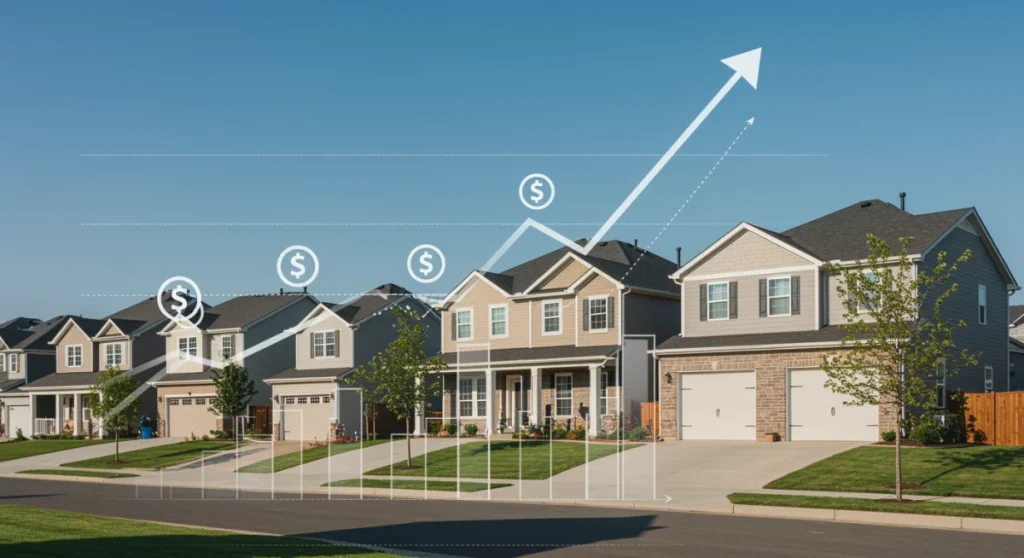
The 2025 US housing market forecast is deeply influenced by three intertwined affordability factors: interest rates, housing inventory, and wage growth, which collectively dictate homeowner accessibility and market dynamics.
As we approach 2025, many prospective homeowners and investors are keenly observing the landscape of the United States housing market. Understanding the future involves dissecting several critical components, none more impactful than affordability. This article delves into The 2025 US Housing Market Forecast: Analyzing 3 Key Affordability Factors, offering insights into what buyers and sellers can expect.
Understanding the Current Housing Affordability Crisis
The current state of US housing affordability presents a complex picture, marked by elevated home prices and rising interest rates. For many years, a combination of low inventory and strong buyer demand pushed home values to unprecedented highs. This trend, exacerbated by recent economic shifts, has made homeownership an increasingly distant dream for a significant portion of the population.
Several underlying forces contribute to this crisis. Supply chain issues, labor shortages in construction, and restrictive zoning laws have all constrained the development of new homes. Simultaneously, demographic shifts, including a large millennial generation entering prime homebuying years, have kept demand robust. These factors create a challenging environment where the cost of entry into the housing market remains a primary concern for potential buyers.
The Role of Economic Indicators
- Inflation: Persistent inflation erodes purchasing power, making it harder for households to save for down payments and manage monthly expenses.
- Economic Uncertainty: Broader economic uncertainties can lead to cautious consumer spending and investment, impacting housing market confidence.
- Government Policies: Federal Reserve actions and housing policies can significantly influence market dynamics and affordability.
Ultimately, the affordability crisis is not a singular issue but a confluence of economic, demographic, and policy-related challenges. Addressing this requires a multifaceted approach, considering both short-term relief and long-term structural changes to the housing supply and demand equilibrium.
Interest Rates: The Cost of Borrowing
Interest rates stand as one of the most immediate and impactful determinants of housing affordability. A slight fluctuation in rates can translate into hundreds of dollars difference in monthly mortgage payments, directly affecting a buyer’s purchasing power. For 2025 US Housing Affordability, the trajectory of these rates will be paramount.
The Federal Reserve’s monetary policy plays a central role in setting the tone for interest rates. When the Fed raises its benchmark rate to combat inflation, mortgage rates typically follow suit. Conversely, a dovish stance can lead to lower borrowing costs, stimulating buyer activity. The market anticipates continued vigilance from the Fed regarding economic data, which will undoubtedly influence its decisions going forward.
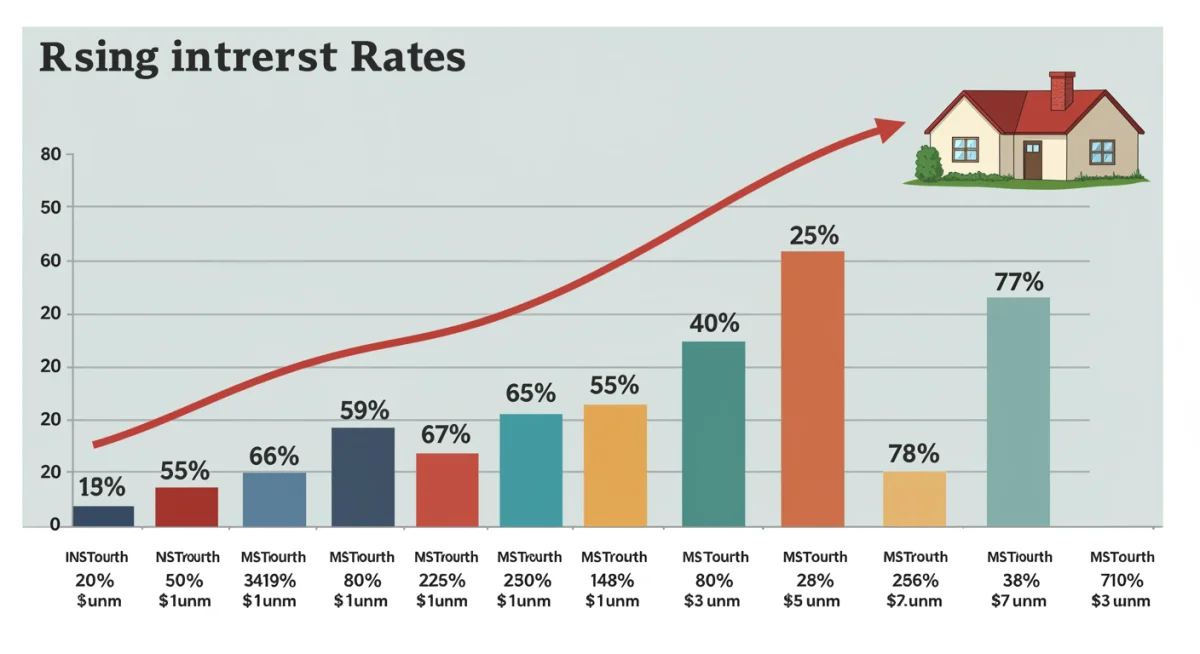
Prospective homebuyers must closely monitor these economic signals. Even a quarter-point change can significantly alter affordability, particularly for those on the cusp of qualifying for a mortgage. Understanding the broader economic context, such as inflation trends and employment figures, provides valuable foresight into potential rate movements.
Forecasting Rate Movements for 2025
Economic analysts are divided on the precise direction of interest rates for 2025. Some predict a stabilization or even a slight decline if inflation cools significantly, offering some relief to buyers. Others foresee continued upward pressure if economic growth remains robust and inflation proves more stubborn than anticipated.
- Inflation Control: The primary driver for Fed decisions will be successful inflation control, potentially leading to rate cuts.
- Economic Growth: Strong economic performance might allow the Fed to maintain higher rates without stifling growth.
- Global Factors: International economic events and geopolitical stability can also indirectly influence US interest rates.
The overall sentiment suggests that extreme volatility in interest rates might subside, but a return to the ultra-low rates of the pandemic era is unlikely. Buyers should prepare for a landscape where mortgage rates remain a significant, though potentially more predictable, component of their housing costs.
Housing Inventory: Supply and Demand Dynamics
The availability of homes for sale, or housing inventory, is another critical factor shaping 2025 US Housing Affordability. A scarcity of homes drives up prices due to increased competition, whereas a healthy supply can help stabilize or even reduce costs. The US housing market has grappled with persistently low inventory levels for several years, a trend that began long before recent economic shifts.
This shortage can be attributed to multiple factors. Existing homeowners, many of whom locked in historically low mortgage rates, are reluctant to sell and face higher rates on a new purchase. This ‘lock-in effect’ reduces the number of homes entering the market. Additionally, new construction has struggled to keep pace with demand, hampered by rising material costs, labor shortages, and regulatory hurdles.
The impact of low inventory is profound. Buyers face bidding wars, limited choices, and the pressure to make quick decisions, often leading to paying above asking price. This not only inflates home values but also contributes to buyer fatigue and frustration. For the market to achieve greater balance and affordability, a substantial increase in available homes is necessary.
Challenges in Boosting Supply
- Construction Costs: High costs for materials and labor make new home construction expensive, limiting builder output.
- Zoning Regulations: Restrictive local zoning laws often limit density and increase the time and cost of development.
- Existing Homeowner Behavior: The ‘lock-in effect’ discourages existing homeowners from selling, further constricting supply.
Looking towards 2025, some analysts anticipate a modest improvement in inventory as more new homes come online and some homeowners may eventually decide to move despite higher rates. However, a dramatic surge in inventory that would significantly rebalance the market and lower prices appears unlikely in the short term. Builders are gradually increasing output, but it will take time to address the accumulated deficit of homes.
Wage Growth: Boosting Buyer Purchasing Power
While interest rates dictate the cost of borrowing and inventory affects home prices, wage growth is the primary factor influencing a buyer’s ability to afford these costs. Healthy wage increases empower individuals and families to save for down payments, qualify for larger mortgages, and comfortably manage monthly housing expenses. For the 2025 US Housing Affordability outlook, the trajectory of real wage growth will be a crucial indicator.
Recent years have seen some nominal wage growth, but this has often been outpaced by inflation, leading to stagnant or even declining real wages for many. This disconnect means that even with higher paychecks, the actual purchasing power of potential homebuyers has not always improved. To genuinely enhance affordability, wage increases must consistently exceed the rate of inflation and the pace of home price appreciation.
Strong labor markets, characterized by low unemployment and high demand for skilled workers, typically foster better wage growth. However, the benefits of such growth are not always evenly distributed across all sectors or income brackets. Disparities in wage growth can exacerbate inequality in housing access, leaving lower and middle-income households further behind.
The Link Between Wages and Economic Health
- Productivity Gains: Sustainable wage growth is often tied to increased productivity, which is a sign of a robust economy.
- Inflationary Pressures: While wage growth is positive, excessive growth can also contribute to inflationary pressures, which might prompt the Fed to raise rates.
- Sectoral Differences: Wage growth varies significantly by industry and region, impacting local housing markets differently.
As we look to 2025, economists will be closely watching for signs of sustained, real wage growth that outpaces inflation. If this occurs, it could provide a much-needed boost to buyer confidence and affordability, even if interest rates remain elevated. Conversely, if wage growth stagnates or falls behind, the challenges of housing affordability will only intensify for many American households.
Regional Variations in Affordability
It is crucial to recognize that the 2025 US Housing Market Forecast, particularly concerning affordability, will not be uniform across the nation. The United States is a vast country with diverse local economies, demographic trends, and housing policies. What constitutes an affordable market in one region might be vastly different in another.
For instance, major metropolitan areas on the coasts, such as California and the Northeast, have historically faced more severe affordability challenges due to high demand, limited land, and stringent building regulations. These regions often see higher median home prices and require significantly higher incomes to afford a home. Conversely, parts of the Midwest and South might offer comparatively more affordable options, though even these markets have experienced rapid price appreciation in recent years.
Local job markets, population migration patterns, and the presence of major industries all play a significant role in shaping regional affordability. A booming tech sector, for example, can drive up housing demand and prices in a specific area, even if national trends are more subdued. Understanding these localized dynamics is essential for anyone considering a home purchase or investment.
Factors Driving Regional Disparities
- Job Market Strength: Areas with robust job growth and high-paying industries attract more residents, increasing housing demand.
- Migration Patterns: Influxes of new residents from other states or countries can quickly strain local housing supplies.
- Local Regulations: Zoning laws, building codes, and permitting processes vary by municipality and can significantly impact housing development and costs.
Prospective buyers should conduct thorough research into specific local markets rather than relying solely on national averages. A deep dive into local economic forecasts, inventory levels, and median income data for their target region will provide a more accurate picture of what to expect regarding affordability in 2025. This granular approach is vital for making informed housing decisions.
Strategies for Navigating the 2025 Market
Given the anticipated challenges in 2025 US Housing Affordability, prospective homebuyers and sellers will need to employ strategic approaches to navigate the market successfully. Understanding the interplay of interest rates, inventory, and wage growth is the first step; acting on that knowledge is the next.
For buyers, this might mean a renewed focus on financial preparedness. Strengthening credit scores, aggressively saving for a larger down payment, and exploring various loan options can provide a competitive edge. It also involves being realistic about what one can afford and being open to considering different neighborhoods or property types that might offer better value. Patience and flexibility will likely be key virtues in a market that remains competitive.
Sellers, on the other hand, might find the market still favorable, particularly in areas with low inventory. However, they should also be mindful of evolving buyer sentiment and interest rate sensitivity. Pricing homes competitively and ensuring they are in optimal condition can attract serious buyers. Working with experienced real estate professionals who understand local market nuances will be invaluable for both parties.
Tips for Buyers and Sellers
- For Buyers: Pre-approval for mortgages, exploring first-time homebuyer programs, and considering adjustable-rate mortgages (with caution) can be beneficial.
- For Sellers: Professional staging, high-quality photography, and clear communication about property features can enhance marketability.
- Both: Staying informed on local market trends and economic forecasts is paramount for making timely decisions.
Ultimately, successful navigation of the 2025 housing market will require adaptability and a well-informed strategy. The market dynamics will continue to evolve, but a proactive approach, grounded in understanding the key affordability factors, will empower participants to achieve their housing goals.
| Key Factor | Impact on Affordability |
|---|---|
| Interest Rates | Higher rates increase monthly mortgage payments, reducing buying power. |
| Housing Inventory | Low supply drives up home prices due to increased competition. |
| Wage Growth | Strong real wage growth enhances purchasing power and mortgage qualification. |
| Regional Variations | Affordability varies significantly by local economies and policies. |
Frequently Asked Questions About 2025 Housing Affordability
While some stabilization or modest declines are possible if inflation cools, a return to historically low rates seen during the pandemic is generally not expected. The Federal Reserve’s actions will largely depend on economic data.
Persistent low inventory will likely keep upward pressure on home prices, especially in high-demand areas. A significant increase in new construction or existing homes for sale is needed to create a more balanced market.
Sustainable real wage growth, outpacing inflation, is crucial for improving affordability. While some sectors may see gains, widespread increases are necessary to significantly boost purchasing power for many prospective buyers.
Affordability will continue to vary regionally. Generally, parts of the Midwest and certain Southern states might offer more accessible housing compared to coastal metropolitan areas, but local market research is always advised.
First-time homebuyers should prioritize saving for a substantial down payment, improving credit scores, getting pre-approved for mortgages, and researching local markets thoroughly. Flexibility regarding location and property type can also be beneficial.
Conclusion
The 2025 US housing market forecast is a narrative woven from the threads of interest rates, housing inventory, and wage growth. These three critical affordability factors will collectively dictate the accessibility and dynamics of homeownership across the nation. While challenges persist, particularly concerning supply and borrowing costs, an informed approach, coupled with strategic financial planning, can empower both buyers and sellers to navigate the evolving real estate landscape effectively. Staying abreast of economic indicators and understanding regional nuances will be paramount for making sound housing decisions in the coming year.