Seasonal Savings 2026: Maximize Discounts Up To 40%
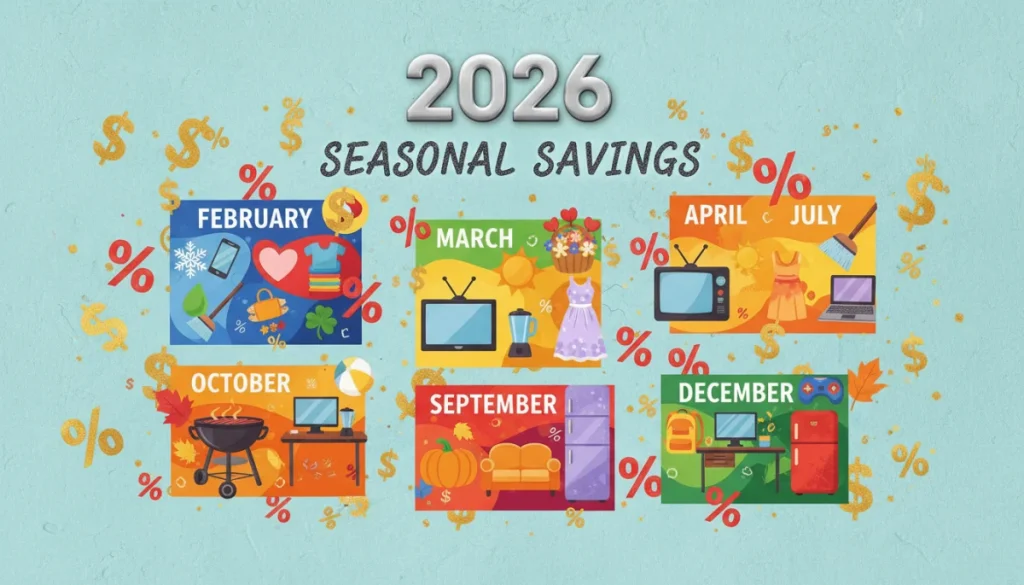
Maximizing your budget in 2026 involves strategically timing purchases to align with seasonal sales, ensuring significant savings across various product categories.
Are you ready to transform your spending habits and achieve remarkable savings? Understanding the rhythm of retail is key to unlocking significant discounts. This guide on seasonal savings 2026 will empower you to know precisely when to buy what, potentially saving you up to 40% on your purchases.
Understanding the Seasonal Shopping Cycle
Every year, retailers follow predictable patterns of discounts and sales, often tied to holidays, inventory cycles, or changes in season. By understanding these cycles, consumers can make informed decisions, avoiding impulse buys and instead waiting for the optimal time to purchase desired items at a fraction of their original cost. This isn’t just about finding a good deal; it’s about strategic financial planning.
The Logic Behind Seasonal Discounts
Retailers are driven by inventory management and consumer demand. When a new product line is introduced, older models need to be cleared out. Similarly, seasonal items like winter coats or summer swimwear become heavily discounted as their respective seasons end. Holidays, too, serve as major discount events, creating opportunities for shoppers who plan ahead.
- Inventory Clearance: Retailers need to make space for new stock.
- Seasonal Demand Shifts: Items go on sale when their peak demand passes.
- Holiday Promotions: Major holidays trigger significant sales events.
- Model Upgrades: New versions of electronics or appliances prompt discounts on older models.
The seasonal shopping cycle is a dance between supply and demand, influenced by marketing strategies and consumer behavior. Mastering this rhythm allows you to step in at the perfect moment, securing top-quality products without paying top dollar. It requires a bit of foresight and patience, but the financial rewards are substantial.
January to March: New Year, New Deals
The beginning of the year is an excellent time for specific purchases, as retailers clear out holiday leftovers and make way for spring inventory. This period is particularly strong for fitness equipment, winter apparel, and certain electronics. The post-holiday slump in consumer spending also motivates deeper discounts.
Post-Holiday Clearance Extravaganza
January is synonymous with clearance sales. After the Christmas rush, stores are eager to offload unsold holiday inventory, offering steep discounts on decorations, gift sets, and even some electronics. This is also when winter clothing, which was full price just weeks earlier, sees significant price drops.
- Winter Clothing: Coats, sweaters, and boots often see 50% or more off.
- Fitness Equipment: New Year’s resolutions drive demand, but sales appear mid-January.
- Linens and Towels: The ‘White Sales’ tradition continues, offering great deals on home textiles.
- Televisions: Leading up to the Super Bowl, many retailers discount TVs.
As January transitions into February and March, the focus shifts slightly. February often brings sales on home goods and mattresses around President’s Day, while March can see early spring sales on gardening tools and outdoor equipment as retailers anticipate warmer weather. By observing these trends, you can plan your major purchases efficiently.
April to June: Spring Cleaning and Summer Prep
As spring blossoms, so do opportunities for savings on a variety of items. This quarter is ideal for buying spring apparel, specific electronics, and preparing for summer activities. It’s also a good time to look for deals on home improvement items as people start their spring cleaning and renovation projects.
Electronics and Home Goods Opportunities
April often sees discounts on vacuum cleaners and other cleaning supplies, aligning with the spring cleaning tradition. May is a prime month for mattress sales, often around Memorial Day, and also brings deals on refrigerators as new models are introduced. June, with Father’s Day, typically features sales on tools and outdoor gear.
Many major electronics manufacturers release new models in late spring or early summer, leading to significant price reductions on previous generation devices. This is particularly true for laptops and smartphones. Waiting until this period can net you a high-quality device at a much lower price point, without sacrificing too much on features.
- Spring Apparel: Deals emerge as summer collections arrive.
- Mattresses: Memorial Day is a key sale event for bedding.
- Refrigerators: New models in spring mean discounts on older stock.
- Laptops and Tablets: Often discounted before new models are released for back-to-school.
This quarter is about preparing for the warmer months and seizing opportunities as retailers clear out spring inventory. Strategic shoppers can stock up on essentials and upgrade appliances, all while keeping their budget intact. It’s a period of transition, and with transition comes opportunity.
July to September: Back-to-School and End-of-Summer Steals
The summer months bring a unique set of shopping opportunities, primarily driven by back-to-school preparations and the winding down of summer. This period is excellent for finding deals on school supplies, outdoor gear, and even some travel options as peak season concludes.

Summer’s end marks a significant shift in retail focus. As students prepare to return to classrooms, retailers roll out aggressive promotions on everything from notebooks to laptops. Simultaneously, summer-specific items, from patio furniture to swimming pools, see their steepest discounts as stores aim to clear seasonal inventory before fall.
Maximizing Back-to-School and Summer Clearance
August is undeniably the king of back-to-school sales. Beyond academic essentials, this extends to electronics like laptops and tablets, and even certain apparel. September, on the other hand, is prime time for summer clearance. Think grills, outdoor furniture, and swimwear – often at rock-bottom prices.
- School Supplies: Peak discounts throughout August.
- Laptops & Tablets: Strong sales for students and general consumers.
- Outdoor Furniture & Grills: Deep clearance sales in September.
- Travel: Last-minute summer deals and early fall bookings can be cheaper.
This quarter demands a dual focus: preparing for the academic year and capitalizing on the end-of-season sales for summer leisure items. By timing your purchases correctly, you can equip your household for the coming school year and score fantastic deals on items that will be full price again next spring.
October to December: Holiday Hype and Black Friday Bonanza
The final quarter of the year is arguably the most famous for discounts, dominated by the holiday shopping season and major events like Black Friday and Cyber Monday. While these periods offer incredible deals, strategic planning is essential to navigate the frenzy and truly maximize savings.
Navigating the Biggest Shopping Events
October often serves as a warm-up, with early holiday sales and discounts on items like denim and fall apparel. However, the real action begins in November. Black Friday and Cyber Monday are not just single days but extended periods of intense promotions across almost all product categories, from electronics to toys to home appliances. December continues with last-minute holiday sales, though the best deals typically peak earlier in November.
Beyond the well-known sales, consider what happens *after* Christmas. Post-Christmas sales are excellent for finding discounts on decorations, gift wrap, and even some returned or overstocked electronics. While not as advertised as Black Friday, these end-of-year clearances can yield surprising finds for patient shoppers.
- Electronics: Black Friday/Cyber Monday offer peak discounts.
- Appliances: Major sales events before the new year.
- Toys: Deep discounts throughout November and early December.
- Jewelry: Often sees promotions around Thanksgiving and Christmas.
This quarter is a whirlwind of promotions, but with a clear shopping list and an understanding of peak discount times, you can make significant strides in your savings goals. Avoid impulse buys and stick to your plan to truly benefit from the holiday shopping season.
Year-Round Savings Strategies for 2026
While seasonal timing is crucial, a truly smart shopper employs year-round strategies to ensure maximum savings. These ongoing habits complement seasonal deals, creating a robust framework for managing your budget effectively throughout 2026 and beyond.
Beyond the Calendar: Smart Shopping Habits
One of the most effective year-round strategies is to track prices. Many online tools and browser extensions can monitor price fluctuations for desired items, alerting you when they drop. This allows you to snag deals even outside traditional sale periods. Additionally, always compare prices across multiple retailers, both online and brick-and-mortar, before making a purchase.
- Price Tracking Tools: Utilize apps and extensions to monitor prices.
- Cashback Programs: Earn money back on everyday purchases.
- Reward Apps: Maximize points and loyalty benefits.
- Coupon Stacking: Combine manufacturer and store coupons for extra savings.
- Clearance Racks: Regularly check for hidden gems in clearance sections.
Another powerful habit is to leverage cashback programs and reward apps. These platforms offer continuous opportunities to save money or earn points on purchases you’d make anyway. By combining these with seasonal sales, your savings multiply, turning every transaction into an opportunity to stretch your dollar further. Smart spending is an ongoing commitment, not just a seasonal event.
When to Avoid Buying and Other Considerations
Just as important as knowing when to buy is understanding when to hold back. Purchasing items at their peak demand can negate any potential savings, and sometimes, patience is indeed a virtue that pays off handsomely. Avoiding certain times can prevent overpaying and ensure you maximize your budget.
Peak Seasons and What to Delay
Think about items that are in high demand at specific times. For instance, swimwear is rarely discounted in July, and winter coats are full price in November. Buying these items out of season, or waiting for clearance, is always the smarter play. Similarly, new tech releases are almost always at their highest price point upon launch; waiting a few months can yield significant savings.
- Summer Apparel: Avoid buying in June/July.
- Winter Apparel: Avoid buying in October/November.
- New Model Electronics: Wait a few months post-launch for initial price drops.
- Holiday Decorations: Full price in November/early December; buy post-Christmas.
Beyond timing, consider the quality and necessity of a purchase. Is it truly something you need, or is it an impulse buy driven by a perceived ‘deal’? By combining seasonal awareness with thoughtful consumerism, you not only save money but also make more sustainable and satisfying purchasing decisions. Always evaluate the true value before committing.
| Key Buying Period | Optimal Items to Buy |
|---|---|
| January-March | Winter clothing, fitness equipment, linens, TVs (Super Bowl). |
| April-June | Spring apparel, mattresses (Memorial Day), refrigerators, laptops. |
| July-September | School supplies, outdoor furniture, grills, swimwear (clearance). |
| October-December | Electronics, appliances, toys (Black Friday/Cyber Monday). |
Frequently Asked Questions About Seasonal Savings
The optimal times to buy electronics are typically during Black Friday and Cyber Monday in November, and leading up to the Super Bowl in January for TVs. New model releases in spring or summer also trigger discounts on older generations.
Major home appliances are often discounted during holiday weekends such as Memorial Day (May), Labor Day (September), and Black Friday (November). New models are typically introduced in spring, making late spring a good time for deals on previous models.
It is almost always better to buy clothing at the end of a season. Retailers offer significant clearance sales to make room for new inventory. For example, buy winter coats in January/February and summer swimwear in August/September for the best deals.
‘White Sales’ traditionally occur in January, offering substantial discounts on linens, towels, bedding, and other home textiles. This tradition dates back to the 19th century and remains a prime time to refresh your home’s soft goods.
Utilize online price tracking tools and browser extensions that monitor price fluctuations for specific items. These tools can send alerts when a desired product drops in price, helping you secure deals even outside of major sales events, maximizing your seasonal savings efforts.
Conclusion
Mastering the art of seasonal savings 2026 is more than just finding a good deal; it’s about adopting a strategic approach to consumerism that empowers your financial well-being. By understanding the ebb and flow of retail cycles, leveraging key holiday promotions, and integrating year-round smart shopping habits, you can significantly reduce your annual spending. This guide provides a roadmap to help you navigate the marketplace with confidence, ensuring you make informed purchasing decisions that lead to maximum discounts and substantial savings throughout the year.