Seasonal Affective Disorder 2025: Light Therapy Solutions & Treatment by October
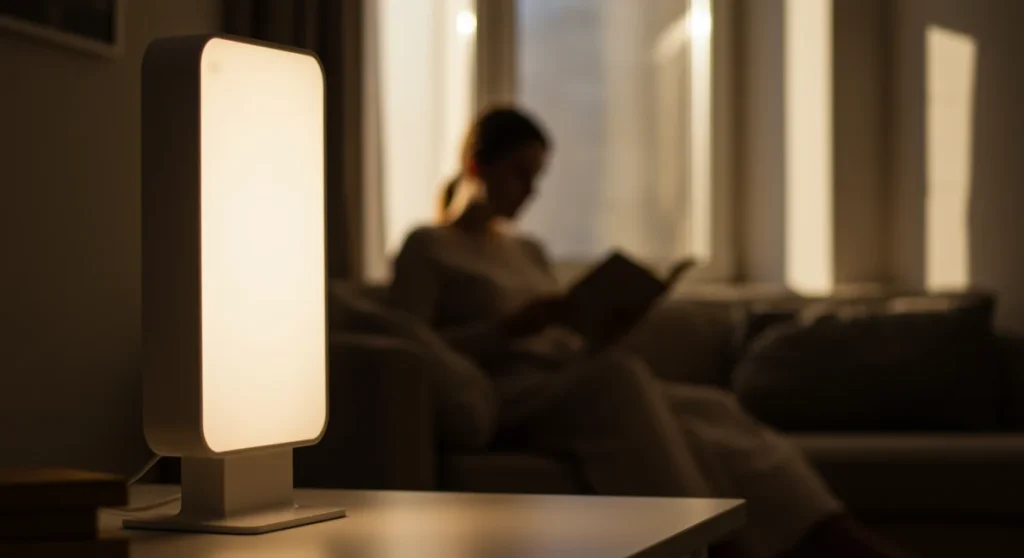
Seasonal Affective Disorder (SAD) light therapy in 2025 offers proven relief, with four effective solutions available, and treatment initiation by October is crucial for mitigating winter symptoms.
As the days shorten and sunlight becomes a precious commodity, many individuals in the United States begin to feel the familiar weight of the changing seasons. If you’re wondering about Seasonal Affective Disorder in 2025: 4 Effective Light Therapy Solutions and When to Start Treatment by October, you’re not alone. This condition, often dubbed the ‘winter blues,’ can significantly impact mood, energy levels, and overall well-being, but effective strategies exist to help manage its symptoms.
understanding seasonal affective disorder (SAD)
Seasonal Affective Disorder (SAD) is more than just feeling a bit down during colder months; it’s a recognized form of depression that follows a seasonal pattern. Typically, symptoms emerge in late fall or early winter and recede as spring approaches. While less common, some individuals experience SAD during the summer.
The precise cause of SAD remains under research, but it’s widely believed to be linked to the reduction in natural sunlight during winter. This decrease in light can disrupt the body’s internal clock, lower serotonin levels (a brain chemical affecting mood), and alter melatonin production (a hormone influencing sleep patterns). These physiological shifts can collectively contribute to the depressive symptoms characteristic of SAD.
common symptoms of SAD
- Persistent feelings of sadness or being down most of the day, nearly every day.
- Loss of interest in activities once enjoyed.
- Low energy, fatigue, and lethargy.
- Sleep problems, often oversleeping (hypersomnia).
- Changes in appetite, particularly cravings for carbohydrates, leading to weight gain.
Recognizing these symptoms early is the first step towards effective management. Many people dismiss their feelings as normal winter melancholy, delaying necessary treatment. Consulting a healthcare professional is crucial for accurate diagnosis and personalized treatment plans.
Understanding SAD as a legitimate medical condition, rather than a personal failing, empowers individuals to seek appropriate interventions. Early identification and intervention can significantly alleviate the severity and duration of symptoms, improving quality of life during the challenging winter months.
the science behind light therapy for SAD
Light therapy, also known as phototherapy, is a cornerstone in the treatment of Seasonal Affective Disorder. It involves daily exposure to a special light box that mimics natural outdoor light. The science behind its effectiveness is rooted in its ability to influence key biological processes disrupted by reduced sunlight exposure.
When light from a therapy lamp enters the eyes, it stimulates cells in the retina that connect to the hypothalamus, a part of the brain responsible for regulating the body’s circadian rhythm. This regulation helps to reset the body’s internal clock, which can become desynchronized during periods of low natural light. By re-establishing a regular circadian rhythm, light therapy can improve sleep patterns and overall energy levels.
how light therapy impacts neurotransmitters
Beyond circadian rhythm regulation, light therapy also plays a vital role in balancing brain chemistry. Exposure to bright light is thought to increase the production of serotonin, a neurotransmitter crucial for mood regulation. Lower serotonin levels are commonly associated with depression, including SAD. By boosting serotonin, light therapy can help elevate mood and reduce depressive symptoms.
- Melatonin Regulation: Light therapy can suppress the production of melatonin during the day, which helps in preventing daytime drowsiness and promoting wakefulness.
- Circadian Rhythm Reset: Regular exposure to bright light helps synchronize the body’s internal clock with the external day-night cycle.
- Serotonin Boost: Increased light exposure is linked to higher serotonin levels, improving mood and reducing cravings.
The specific type of light used in therapy lamps is crucial; they emit full-spectrum light, which includes blue and green wavelengths, known to be most effective in stimulating the retinal cells. However, they are designed to filter out harmful UV rays, ensuring safety during daily use. Understanding these mechanisms helps underscore why light therapy is a scientifically backed and highly recommended treatment option for SAD.
when to start light therapy: the october advantage
Timing is everything when it comes to effectively managing Seasonal Affective Disorder with light therapy. For most individuals, initiating treatment proactively, ideally by October, can make a significant difference in preventing or minimizing the onset of severe winter symptoms. Waiting until symptoms are fully entrenched can make them harder to alleviate.
The rationale behind starting early is simple: by beginning light therapy before the drastic reduction in daylight hours, you help your body adjust gradually. This proactive approach allows your internal clock and neurochemical balance to remain more stable, rather than reacting to an abrupt environmental change. Think of it as pre-emptive strike against the winter blues.
why early intervention matters
Early intervention can prevent the cascade of symptoms that define SAD. When your body’s natural rhythms are maintained, you are less likely to experience the profound drops in mood, energy, and sleep disturbances that characterize the disorder. This preventative strategy can lead to a more stable and productive fall and winter season.
- Preventative Measure: Starting in October helps prevent the onset of severe SAD symptoms before they take hold.
- Gradual Adjustment: Allows the body to slowly adapt to decreasing natural light, minimizing physiological shock.
- Sustained Well-being: Promotes a more consistent mood and energy level throughout the darker months.
Many experts recommend starting light therapy sessions as soon as daylight saving time ends, or even a few weeks before, to get ahead of the seasonal shift. Discussing this timeline with your healthcare provider can help tailor a personalized treatment schedule that aligns with your specific needs and geographical location, ensuring you harness the full benefits of light therapy.
4 effective light therapy solutions for 2025
As we look to 2025, the landscape of light therapy solutions continues to evolve, offering more convenient and effective options for managing Seasonal Affective Disorder. The core principle remains the same: daily exposure to bright light that mimics natural sunlight. However, the devices themselves have become more user-friendly and integrated into daily life.
Choosing the right light therapy device depends on individual needs, lifestyle, and budget. It’s important to look for devices that emit at least 10,000 lux of light and filter out harmful UV rays. Consulting with a healthcare professional can help in selecting the most appropriate solution.
traditional light boxes (desktop models)
These are the most common and well-researched light therapy devices. They are typically larger and designed for use at a desk or table. Users sit a prescribed distance from the box for about 20-30 minutes each morning.
- High Intensity: Delivers the recommended 10,000 lux for effective treatment.
- Reliable: Proven track record in clinical studies for SAD treatment.
- Stable: Ideal for consistent daily use in a fixed location.
While their size might be a drawback for portability, their efficacy is well-established, making them a staple for many individuals managing SAD. Many models now offer adjustable brightness and color temperature settings for greater comfort.
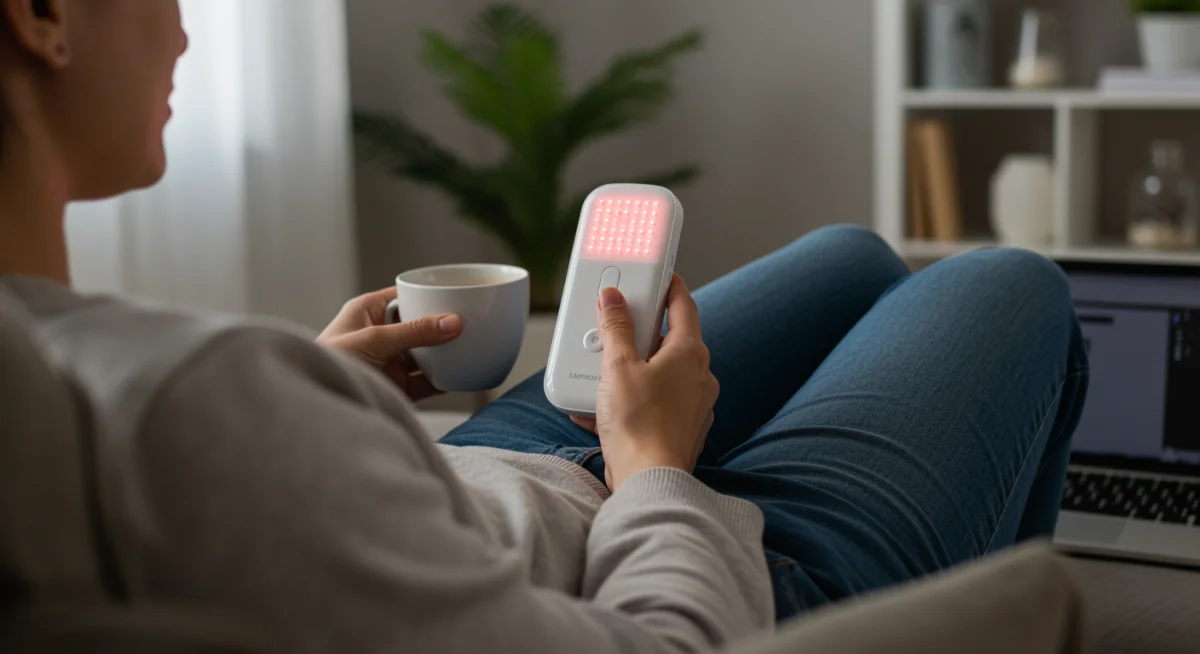
portable and compact light therapy devices
For those with busy lifestyles or limited space, portable light therapy devices offer a practical alternative. These smaller, often battery-operated units can be easily moved from room to room or even taken on travels. They typically offer the same 10,000 lux intensity but in a more compact form factor.
Their convenience makes it easier to integrate light therapy into daily routines, such as while working, eating breakfast, or getting ready in the morning. This flexibility can improve adherence to treatment, which is critical for long-term effectiveness. These devices are particularly beneficial for individuals who find it challenging to commit to a fixed schedule with a larger unit.
dawn simulators (wake-up lights)
Dawn simulators don’t replace traditional light boxes but can be an excellent complementary therapy. These devices gradually increase light in your bedroom over a set period before your alarm, mimicking a natural sunrise. This gentle awakening can help regulate your sleep-wake cycle and improve morning mood.
- Gentle Awakening: Promotes a more natural and less jarring start to the day.
- Circadian Rhythm Support: Helps to reset and maintain a healthy sleep-wake cycle.
- Mood Enhancement: Contributes to improved morning mood and energy levels.
While they don’t provide the same intensity as a 10,000 lux light box, dawn simulators can significantly enhance the overall effectiveness of a SAD treatment plan, especially for those who struggle with waking up during dark winter mornings.
light therapy glasses and visors
Representing a more innovative approach, light therapy glasses and visors integrate light exposure directly into wearable technology. These devices deliver light directly to the eyes through small LED lights embedded in glasses frames or a visor. This allows for hands-free light therapy, making it incredibly convenient for multitasking.
While generally less intense than traditional light boxes, their direct delivery to the eyes means shorter treatment times are often sufficient. They are particularly appealing for those who find it difficult to sit still for extended periods or who travel frequently. As technology advances, these wearable solutions are becoming more sophisticated and effective, offering a discreet and highly portable option for managing SAD.
integrating light therapy into your daily routine
For light therapy to be truly effective, consistency is key. Integrating it seamlessly into your daily routine is crucial, and with the diverse options available in 2025, this has become more achievable than ever. The goal is to make it a natural part of your morning, not a chore.
Most experts recommend using your light therapy device first thing in the morning, ideally within the first hour of waking up. This timing is critical because it helps to reset your body’s circadian rhythm, signaling to your brain that the day has begun. Using it later in the day might interfere with your sleep patterns.
tips for consistent use
- Establish a Fixed Time: Try to use your light box at the same time every morning. Consistency reinforces the body’s natural rhythms.
- Combine with Daily Activities: Place your light box where you usually have breakfast, read the news, or work on your computer. This makes the time feel productive.
- Create a Relaxing Environment: Ensure your light therapy space is comfortable and free from distractions, enhancing the positive experience.
While using the light box, you don’t need to stare directly into the light. You can engage in other activities, but ensure the light is positioned to shine indirectly into your eyes. Most devices come with specific instructions regarding distance and duration, which should be followed carefully. Regular, consistent use is the most powerful tool in combating SAD symptoms.
potential side effects and considerations
While light therapy is generally safe and well-tolerated, it’s important to be aware of potential side effects and considerations before starting treatment. Most side effects are mild and temporary, often resolving as your body adjusts to the therapy. However, some individuals may need to adjust their treatment protocol or consult a doctor.
Common side effects can include eye strain, headaches, nausea, or irritability. These are usually mild and can often be mitigated by adjusting the distance from the light box, reducing the duration of sessions, or starting with shorter sessions and gradually increasing the time. It’s always advisable to begin light therapy under the guidance of a healthcare professional, especially if you have pre-existing eye conditions or other mental health disorders.
important considerations before starting
- Eye Conditions: Individuals with certain eye conditions, such as glaucoma, cataracts, or retinal disease, should consult an ophthalmologist before starting light therapy.
- Medications: Some medications, particularly those that increase sensitivity to light (e.g., certain antibiotics, antipsychotics, or retinoids), can interact with light therapy. Discuss all your medications with your doctor.
- Bipolar Disorder: For individuals with bipolar disorder, light therapy can potentially trigger manic or hypomanic episodes. It should only be used under strict medical supervision in such cases.
Always choose a light therapy device specifically designed for SAD treatment, ensuring it filters out harmful UV rays and provides the recommended lux intensity. Self-treatment without professional guidance might not be effective and could potentially lead to adverse effects. A doctor can help determine the appropriate duration, intensity, and timing of light therapy for your unique situation, maximizing benefits while minimizing risks.
beyond light therapy: a holistic approach
While light therapy is a highly effective treatment for Seasonal Affective Disorder, a holistic approach that incorporates other lifestyle strategies can significantly enhance its benefits and promote overall well-being. Addressing SAD often requires a multi-faceted strategy that supports both mental and physical health.
Combining light therapy with other interventions can create a robust defense against the winter blues. These complementary strategies not only help manage SAD symptoms but also contribute to a healthier and more balanced lifestyle throughout the year, especially as we navigate the challenges of 2025.
complementary strategies for SAD management
- Regular Exercise: Physical activity is a powerful mood booster. Even moderate exercise, especially outdoors during daylight hours, can significantly alleviate depressive symptoms.
- Balanced Diet: Eating nutritious foods, rich in omega-3 fatty acids and vitamin D, can support brain health and mood regulation. Limiting processed foods and excessive sugar can also help.
- Mindfulness and Stress Management: Practices like meditation, yoga, and deep breathing can reduce stress and improve emotional resilience, helping to cope with the challenges of SAD.
- Social Connection: Maintaining social connections and engaging in enjoyable activities can combat feelings of isolation and loneliness often associated with SAD.
- Therapy and Counseling: Cognitive Behavioral Therapy (CBT) specifically adapted for SAD (CBT-SAD) can be highly effective in reshaping negative thought patterns and developing coping skills.
These strategies, when used in conjunction with light therapy, create a comprehensive plan that addresses SAD from multiple angles. It’s about empowering yourself with a range of tools to navigate the darker months with greater ease and maintain your mental health proactively. Discussing these options with your healthcare provider can help you build a personalized and effective holistic treatment plan.
| Key Point | Brief Description |
|---|---|
| Start by October | Initiating light therapy proactively in October prevents severe SAD symptoms. |
| Light Therapy Types | Explore desktop light boxes, portable devices, dawn simulators, and wearable glasses. |
| Consistency is Key | Integrate daily morning sessions for optimal effectiveness and circadian rhythm regulation. |
| Holistic Approach | Combine light therapy with exercise, diet, social connection, and professional counseling. |
frequently asked questions about SAD and light therapy
For effective treatment of Seasonal Affective Disorder, a light therapy lamp should emit at least 10,000 lux of light. This intensity is crucial for stimulating the brain’s light-sensitive cells, helping to regulate circadian rhythms and improve mood. Always ensure the device filters out harmful UV rays for safety.
Typically, a session lasts 20 to 30 minutes daily, preferably in the morning. However, the exact duration can vary based on individual response, the device’s intensity, and your doctor’s recommendations. It’s best to start with shorter sessions and gradually increase as tolerated.
Yes, light therapy can be highly effective as a preventative measure. Starting treatment proactively by October, before the full onset of winter, can help stabilize your body’s internal clock and neurotransmitter levels, significantly reducing the likelihood or severity of SAD symptoms.
Most side effects are mild and temporary, including headaches, eye strain, or irritability. Rarely, it can trigger manic episodes in individuals with bipolar disorder. Always consult a healthcare professional before starting, especially if you have eye conditions or take light-sensitizing medications.
Coverage for light therapy devices varies by insurance provider and plan. Some plans may cover it if prescribed by a doctor as a medical necessity for SAD treatment. It’s recommended to contact your insurance company directly to inquire about coverage specifics and reimbursement policies.
conclusion
Navigating Seasonal Affective Disorder in 2025 requires a proactive and informed approach, with light therapy standing out as a leading and effective solution. By understanding the mechanisms behind SAD and the science supporting light therapy, individuals can empower themselves to mitigate the impact of shorter, darker days. The key takeaway remains the importance of early intervention, ideally commencing treatment by October, to prime the body and mind for the seasonal shift. With diverse light therapy solutions available, from traditional light boxes to innovative wearables, integrating this beneficial practice into daily routines is more accessible than ever. Remember, a holistic strategy that combines light therapy with healthy lifestyle choices further strengthens your defense against the winter blues, paving the way for a brighter, more balanced season.