Scholarship Scams 2026: Protect Your Future

Scholarship scams in 2026 often target students with false promises of financial aid, demanding fees or personal data; vigilance and verification are crucial to protect your money and identity.
Navigating the world of financial aid can be daunting, and unfortunately, it’s also a landscape ripe for exploitation. As we look ahead to 2026, understanding and recognizing scholarship scams 2026 is more critical than ever to safeguard your academic future. Don’t let the promise of free money turn into a costly mistake.
Understanding the Landscape of Scholarship Scams in 2026
The digital age has opened up unprecedented opportunities for students seeking financial aid, but it has also created new avenues for fraudsters. Scholarship scams in 2026 are becoming increasingly sophisticated, leveraging advanced technology and social engineering tactics to deceive unsuspecting students and their families. These scams often prey on the urgency and hope associated with securing funds for higher education.
The Evolution of Online Fraud
Fraudulent scholarship offers are no longer limited to spam emails. Scammers now utilize fake websites, social media campaigns, and even sophisticated phishing schemes that mimic legitimate organizations. They understand the emotional investment students have in their education and exploit that vulnerability with compelling, yet ultimately false, promises.
- Phishing Emails: Emails designed to look like official communications from scholarship providers or educational institutions, requesting personal information.
- Fake Websites: Professionally designed websites that mimic legitimate scholarship search engines or application portals, collecting data or fees.
- Social Media Scams: Advertisements or posts on platforms like Instagram and TikTok promoting too-good-to-be-true scholarships, often linked to fraudulent sites.
- Impersonation: Scammers posing as financial advisors or scholarship consultants, offering to ‘guarantee’ awards for a fee.
It is paramount for students to develop a critical eye when evaluating any scholarship opportunity. The allure of easy money can often overshadow the red flags, making it essential to approach every offer with a healthy dose of skepticism. Verifying the legitimacy of the source is always the first line of defense against these evolving threats.
Understanding the common tactics employed by scammers is the first step in protecting yourself. By being aware of how these fraudulent schemes operate, you can better identify and avoid them, ensuring that your pursuit of education remains secure and financially sound.
Common Red Flags: Identifying Fraudulent Scholarship Offers
Spotting a scholarship scam requires a keen eye for detail and an understanding of common warning signs. Fraudulent offers often share similar characteristics that, once recognized, can help you steer clear of danger. These red flags are designed to elicit an emotional response or create a sense of urgency, bypassing rational judgment.
Demands for Payment or Fees
One of the most significant indicators of a scam is a request for money. Legitimate scholarships do not require an application fee, processing fee, or any other form of payment to receive an award. If a scholarship asks you to pay to apply or to ‘secure’ your funding, it’s almost certainly a scam.
- Application Fees: Any scholarship demanding a fee to submit your application is highly suspicious.
- Processing or Redemption Fees: Be wary of requests for fees to ‘process’ your scholarship or to ‘redeem’ your award.
- Credit Card Verification: Scammers might ask for your credit card number for ‘verification’ purposes, even if they claim no charge will be made.
Another common tactic is the promise of a guaranteed scholarship. No legitimate scholarship provider can guarantee an award; scholarships are competitive and based on merit, need, or other specific criteria. Any claim of a guaranteed award in exchange for a fee should immediately raise a red flag. These promises are designed to create a false sense of security, encouraging you to part with your money.
Unsolicited Offers and Pressure Tactics
Be cautious of unsolicited offers, especially those that arrive out of the blue via email or social media. Scammers often use pressure tactics, such as limited-time offers or urgent deadlines, to rush you into making a decision without proper research. They want to prevent you from investigating their claims.
Furthermore, watch for vague eligibility criteria or scholarship offers that seem too good to be true. If a scholarship requires minimal effort but promises a substantial award, it warrants further investigation. Legitimate scholarships typically have clear, detailed requirements and a transparent selection process. Always question any offer that lacks specific details or seems to bypass standard application procedures.
Recognizing these common red flags is your primary defense against falling victim to scholarship scams. By being vigilant and understanding what to look for, you can protect your finances and personal information, ensuring a safer pursuit of educational funding.
Protecting Your Personal Information from Scholarship Fraud
In the digital age, your personal information is a valuable commodity, and scholarship scammers are eager to get their hands on it. Beyond financial loss, identity theft is a significant risk associated with fraudulent scholarship offers. Protecting your data requires a proactive and cautious approach to every application and interaction.
The Dangers of Sharing Sensitive Data
Scammers often request sensitive information such as your Social Security number, bank account details, or even your parents’ financial information under the guise of application requirements. While legitimate scholarships may ask for some personal data, they usually do so through secure portals and only at specific stages of the application process.
- Social Security Number: Never provide your SSN unless you are absolutely certain of the legitimacy and security of the request.
- Bank Account Details: Be extremely wary of requests for your bank account or routing numbers, especially early in the application process.
- Passwords: Legitimate scholarship providers will never ask for your passwords.
Always verify the authenticity of the organization requesting your information. Look for official contact details and reach out directly through confirmed channels, not through links or emails provided in the suspicious offer. A quick search for reviews or official complaints about the organization can also reveal red flags.
Secure Application Practices
When applying for scholarships, always ensure you are using a secure internet connection and a reputable device. Avoid public Wi-Fi networks when submitting sensitive information. Look for ‘https://’ in the website URL and a padlock icon in your browser, indicating a secure connection.
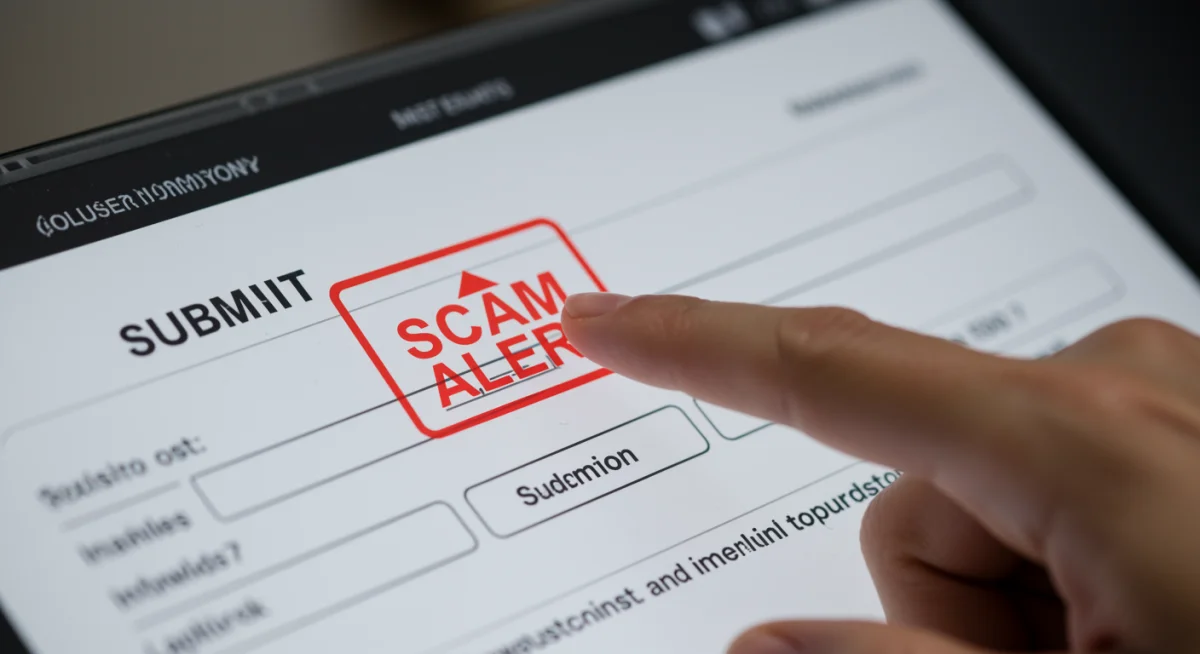
Regularly review your financial statements and credit reports for any suspicious activity. If you suspect you’ve provided information to a fraudulent scholarship, act quickly to secure your accounts and report the incident to relevant authorities. Proactive monitoring can help mitigate potential damage from identity theft.
Ultimately, safeguarding your personal information is a continuous effort. By being vigilant about what data you share, with whom you share it, and under what circumstances, you can significantly reduce your risk of falling victim to scholarship fraud and identity theft. Prioritize your digital security as much as your academic pursuits.
Verifying Scholarship Legitimacy: Your Due Diligence in 2026
In the quest for financial aid, due diligence is your most powerful tool against fraud. Verifying the legitimacy of a scholarship offer before committing any time, money, or personal information is absolutely essential. This proactive approach ensures that your efforts are directed towards genuine opportunities.
Official Sources and Databases
Start your scholarship search with reputable and well-known sources. Educational institutions, government agencies, and established non-profit organizations are generally reliable. Websites like the U.S. Department of Education’s Federal Student Aid, College Board, and Fastweb are good starting points.
- Federal Student Aid (FAFSA): The official source for federal student aid, providing access to grants, loans, and work-study programs.
- College Board: Offers a comprehensive scholarship search engine with verified opportunities.
- Fastweb: A popular and long-standing scholarship search platform with a vast database of legitimate awards.
- Your School’s Financial Aid Office: Often has a list of vetted local and institutional scholarships.
Always cross-reference information found on lesser-known sites with these official sources. If a scholarship is advertised on a suspicious website but cannot be found through any of the trusted databases, it’s a strong indicator of a potential scam. Legitimate scholarships want to be found and will have a presence on multiple reputable platforms.
Contacting the Scholarship Provider Directly
If you have doubts about a scholarship, contact the organization directly using independently verified contact information. Do not use phone numbers or email addresses provided in the suspicious offer. Instead, look up the organization’s official website or public records to find their contact details.
Ask specific questions about the application process, eligibility criteria, and how funds are disbursed. A legitimate provider will be transparent and forthcoming with information. Be wary if they are evasive, apply pressure, or redirect you to third-party services that demand fees. Your proactive research and direct communication are key to confirming legitimacy and avoiding potential pitfalls.
By diligently verifying every scholarship opportunity through official channels and direct contact, you can confidently navigate the financial aid landscape. This approach minimizes your exposure to scams, ensuring that your pursuit of education is supported by genuine and trustworthy resources.
Reporting Scholarship Scams: Taking Action Against Fraudsters
If you encounter a scholarship scam, reporting it is a crucial step not only for your own protection but also to prevent others from falling victim. Taking action helps authorities track down fraudsters and makes the online environment safer for all students seeking financial aid. Your report can make a significant difference.
Where to Report Fraudulent Offers
There are several organizations and government agencies dedicated to combating fraud. Knowing where to direct your report ensures that the information reaches the right authorities who can investigate and take appropriate action. Don’t hesitate to report any suspicious activity, no matter how minor it may seem.
- Federal Trade Commission (FTC): The primary federal agency for consumer protection, accepting complaints about scams and fraudulent business practices.
- Better Business Bureau (BBB): You can file a complaint or report a scam to the BBB, which can help warn other consumers.
- State Attorney General’s Office: Your state’s Attorney General can investigate consumer fraud within your state.
- National Association of Student Financial Aid Administrators (NASFAA): While not a law enforcement agency, NASFAA can offer guidance and may track reported scams.
- Your School’s Financial Aid Office: Informing your school can help them warn other students and provide additional advice.
When reporting, provide as much detail as possible, including emails, website URLs, phone numbers, and any names associated with the scam. Screenshots and copies of communications can be invaluable evidence. The more information you provide, the better equipped authorities will be to investigate.
Preventing Future Scams and Spreading Awareness
Beyond reporting, educating yourself and others about scholarship scams is vital. Share your experiences with friends, family, and fellow students. The more informed the student community is, the harder it becomes for scammers to succeed.
Consider subscribing to consumer protection alerts and staying updated on the latest scam trends. Regularly reviewing your online security practices, such as using strong, unique passwords and two-factor authentication, also adds layers of protection. By taking these steps, you contribute to a safer environment for everyone pursuing educational opportunities.
Reporting scholarship scams is an act of civic responsibility that protects the wider community. By diligently reporting fraudulent activities and actively participating in scam prevention, you empower yourself and others, fostering a more secure landscape for academic funding.
The Role of Educational Institutions in Combating Scholarship Fraud
Educational institutions play a pivotal role in protecting students from scholarship scams. Their position as trusted sources of information and guidance places them at the forefront of defense against fraudulent offers. By providing resources and education, they can significantly mitigate the risks students face.
Providing Verified Scholarship Resources
University financial aid offices often maintain curated lists of legitimate scholarships, both institutional and external. These resources are typically vetted by professionals who understand the financial aid landscape and can identify suspicious offers. Students should always consult their school’s financial aid department as a primary resource.
- Scholarship Databases: Many universities offer access to subscription-based scholarship search engines or maintain their own databases of approved opportunities.
- Workshops and Seminars: Financial aid offices frequently host workshops on scholarship searching, application tips, and fraud prevention.
- Direct Advising: One-on-one sessions with financial aid advisors can help students discern legitimate offers from scams.
Moreover, colleges and universities often collaborate with reputable scholarship organizations, ensuring that the opportunities they promote are genuine. This institutional endorsement provides an extra layer of security for students, reducing the need for individual verification of every single offer. Trusting these established channels can save students considerable time and prevent exposure to fraudulent schemes.
Educating Students on Scam Prevention
Beyond providing resources, educational institutions have a responsibility to actively educate students about the dangers of scholarship fraud. This includes raising awareness about common scam tactics, red flags, and safe online practices. Integrating this information into orientation programs or financial literacy courses can be highly effective.
By fostering an environment where students feel comfortable reporting suspicious offers to their institution, universities can gather valuable intelligence on emerging scam trends. This information can then be disseminated to the broader student body, creating a collective defense mechanism against fraudsters. An informed student body is the most resilient against deception.
In conclusion, the active participation of educational institutions is indispensable in the fight against scholarship fraud. Through verified resources, comprehensive education, and a supportive reporting environment, they empower students to navigate the scholarship landscape safely, ensuring that their pursuit of higher education remains secure.
Staying Ahead of Scammers: Future Trends in Scholarship Fraud Prevention
As technology advances, so do the methods of fraudsters. Staying ahead of scholarship scammers in 2026 requires not only vigilance but also an understanding of emerging trends in fraud prevention. The fight against scholarship scams is a continuous evolution, demanding adaptive strategies from both students and institutions.
Leveraging AI and Data Analytics
Future prevention efforts will increasingly rely on artificial intelligence and data analytics. AI can identify patterns in fraudulent applications or suspicious website behavior that human eyes might miss. This technology can rapidly detect new scam tactics and flag them for investigation, creating a more robust defense system.
- Predictive Analytics: AI can analyze vast datasets to predict potential scam vectors before they become widespread.
- Automated Verification: Tools can automatically verify scholarship provider legitimacy by cross-referencing databases and public records.
- Behavioral Analysis: Detecting unusual user behavior on scholarship portals that might indicate fraudulent activity.
Furthermore, blockchain technology could play a role in creating secure, transparent records of scholarship awards and disbursements. This would make it much harder for fraudsters to intercept funds or create fake award notifications. The integration of such advanced technologies promises a more secure future for scholarship applicants.
Continuous Education and Community Vigilance
Despite technological advancements, human awareness remains crucial. Continuous education campaigns, updated regularly to reflect new scam trends, will be essential. This includes engaging students through interactive workshops, online modules, and peer-to-peer education initiatives.
Building a strong community of vigilant students and parents who actively share information about suspicious offers can also be a powerful deterrent. Social media platforms, while sometimes exploited by scammers, can also be used to quickly disseminate warnings and advice. A proactive and informed community is the first line of defense.
Staying ahead of scammers is an ongoing challenge that requires a multi-faceted approach. By embracing technological innovations and fostering a culture of continuous education and community vigilance, we can create a more secure environment for students seeking legitimate scholarship opportunities in the years to come.
| Key Point | Brief Description |
|---|---|
| Red Flags | Be wary of fees, guaranteed awards, and unsolicited offers. |
| Protect Your Data | Never share sensitive personal or financial information on unverified sites. |
| Verify Legitimacy | Use official sources and contact providers directly to confirm authenticity. |
| Report Scams | Report fraudulent offers to the FTC, BBB, and your school’s financial aid office. |
Frequently Asked Questions About Scholarship Scams
Legitimate scholarships never ask for money to apply or receive an award. They typically have clear eligibility criteria, transparent application processes, and can be found on reputable scholarship search engines or through your school’s financial aid office. Always verify the source independently.
Be extremely cautious about sharing your Social Security number, bank account details, credit card numbers, or passwords. Legitimate scholarships rarely require this information early in the application process. Only provide sensitive data through secure, verified portals of trusted organizations.
If you suspect a scam, stop all communication with the alleged provider. Do not click on any links or download attachments. Report the scam to the Federal Trade Commission (FTC), the Better Business Bureau (BBB), and your school’s financial aid office. Informing others is also crucial.
Yes, many free and reputable resources exist. Websites like College Board, Fastweb, and the U.S. Department of Education’s Federal Student Aid are excellent starting points. Your high school counselor or college financial aid office can also provide access to verified scholarship databases and opportunities.
Absolutely. Your school’s financial aid office is a valuable resource. They often maintain lists of vetted scholarships, offer workshops on scam prevention, and can help you verify the legitimacy of any scholarship offer you receive. Always consult them if you have any doubts.
Conclusion
Navigating the complex world of scholarships requires diligence and an informed perspective, especially with the persistent threat of scholarship scams. By understanding the common red flags, protecting your personal information, and proactively verifying every opportunity, you can safeguard your academic journey and financial well-being. Remember, legitimate scholarships are there to help you, not to cost you money or compromise your security. Stay vigilant, stay informed, and secure your educational future against fraud.