2025 US Agricultural Policy Changes: Impact on Crop Markets
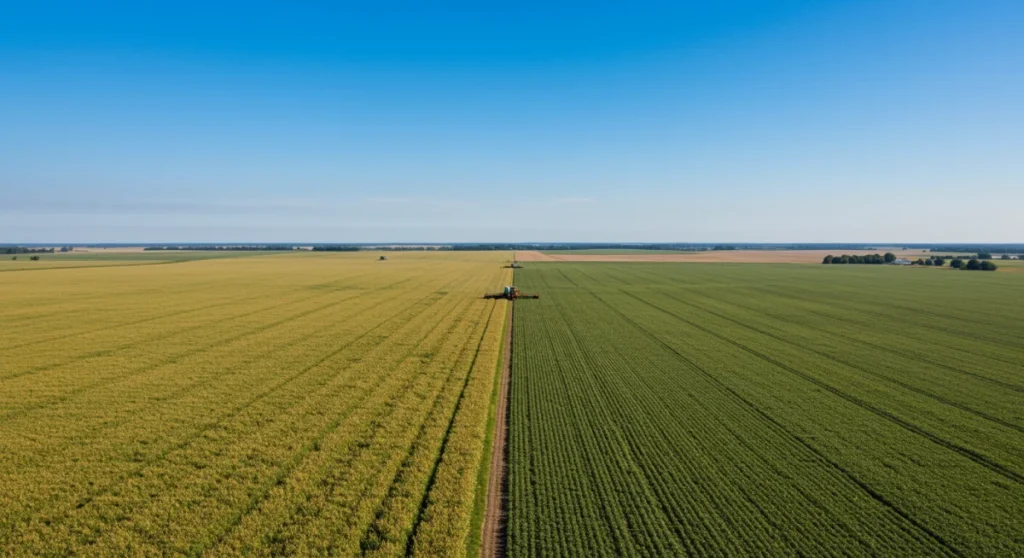
The 2025 US agricultural policy changes are poised to significantly reshape the landscape for major crop markets, particularly corn, soybeans, and wheat, through revised subsidies, conservation programs, and trade agreements.
The agricultural sector in the United States is always in flux, driven by technological advancements, global demand, and crucially, evolving government policies. As we approach 2025, the anticipated changes in 2025 US agricultural policy are generating considerable discussion among farmers, economists, and market analysts. These adjustments are expected to ripple through the entire supply chain, with significant implications for three major crop markets: corn, soybeans, and wheat.
Understanding the Looming 2025 US Agricultural Policy Framework
The upcoming 2025 US agricultural policy framework is not just a simple revision; it represents a comprehensive reevaluation of how the nation supports its farmers and manages its agricultural resources. This new policy is shaped by a confluence of factors, including climate change concerns, global trade dynamics, and the persistent need for food security. Stakeholders are keen to understand the nuances of these changes, as they will dictate the operational environment for years to come.
Policymakers are grappling with balancing economic viability for farmers with environmental stewardship. The discussions often revolve around direct payments, crop insurance, and conservation programs, each designed to address specific challenges within the agricultural landscape. The goal is to create a resilient and sustainable system.
Key Legislative Drivers and Objectives
Several legislative drivers are pushing the agenda for the 2025 policies. The renewed Farm Bill, a cornerstone of US agricultural legislation, is expected to introduce significant alterations. These changes are typically debated fiercely, reflecting the diverse interests of various farming communities and environmental groups.
- Farm Bill Renewal: The primary legislative vehicle for policy adjustments, influencing subsidies, conservation, and food assistance programs.
- Climate Resilience: Increased focus on programs that encourage sustainable farming practices to mitigate climate change impacts.
- Market Stability: Efforts to ensure stable prices and income for farmers amidst volatile global markets.
- Food Security Initiatives: Policies aimed at strengthening domestic food production and supply chains.
The objectives extend beyond mere financial support. There’s a strong emphasis on fostering innovation, supporting rural development, and maintaining America’s competitive edge in global agricultural trade. The policy aims to equip farmers with the tools and resources needed to adapt to future challenges.
The Anticipated Impact on Corn Markets
Corn, a foundational crop in the US, plays a pivotal role in livestock feed, ethanol production, and various food products. Any significant shift in agricultural policy invariably sends ripples through the corn market. The 2025 policies are expected to influence corn prices, planting decisions, and export volumes, potentially altering the economic calculus for many producers.
One of the most immediate impacts could stem from changes in commodity programs. If direct payment structures are altered, or if reference prices for corn are adjusted, farmers might re-evaluate their planting strategies. A higher safety net could encourage more corn production, while reduced support might lead to diversification into other crops.
Ethanol Mandates and Their Role
Ethanol mandates remain a critical component influencing corn demand. The 2025 policies are expected to either reinforce or modify these mandates, which directly correlates with the amount of corn processed for fuel. Any upward revision in renewable fuel standards could boost corn demand, potentially leading to higher prices.
- Renewable Fuel Standard (RFS): Continued support for ethanol production can stabilize or increase corn demand.
- New Biofuel Technologies: Policies encouraging advanced biofuels might diversify demand away from traditional corn ethanol, but this is a longer-term prospect.
- Environmental Incentives: Programs promoting sustainable aviation fuel (SAF) from corn could open new market avenues.
Furthermore, international trade agreements and tariffs will continue to shape corn export opportunities. The US is a major corn exporter, and favorable trade policies can significantly bolster market prices and farmer incomes. Conversely, trade disputes or protectionist measures could dampen export prospects, creating downward pressure on prices. Farmers will need to closely monitor global trade developments alongside domestic policy shifts.
Soybean Market Dynamics Under New Policies
Soybeans are another cornerstone of US agriculture, vital for animal feed, edible oils, and a growing array of plant-based products. The 2025 agricultural policies are set to introduce new dynamics to the soybean market, affecting everything from cultivation practices to international trade relationships. Farmers who have relied heavily on soybeans will need to carefully assess these changes.
A significant area of impact will be conservation programs. Policies that incentivize cover cropping, reduced tillage, or other soil health practices could favor soybean production, as soybeans are often integrated into such systems due to their nitrogen-fixing properties. This could lead to a strategic shift in land use.
Trade Relations and Global Demand
The global demand for soybeans, particularly from key importers like China, heavily influences prices. The 2025 policies are likely to address trade relations, potentially through new agreements or adjustments to existing ones. Stable and open trade routes are crucial for maintaining robust soybean exports.
- China’s Demand: Any shifts in US-China trade policies directly impact soybean export volumes and prices.
- South American Competition: Policies that enhance US competitiveness against South American producers are vital.
- Biodiesel Initiatives: Increased policy support for biodiesel production using soybean oil could create new domestic demand.
Furthermore, risk management tools, such as crop insurance, are always under review. Enhanced or modified insurance programs could provide a stronger safety net for soybean farmers, encouraging consistent production even in the face of weather volatility or market fluctuations. Farmers will need to evaluate how these programs align with their individual risk profiles and operational strategies.
Wheat Market Outlook in 2025
Wheat, a globally important staple, faces its own set of challenges and opportunities under the forthcoming 2025 US agricultural policies. Unlike corn and soybeans, wheat often has a more complex market due to its diverse classes (hard red winter, soft red winter, spring wheat, etc.) and varied end-uses, from bread to pasta. The new policies are expected to influence planting decisions, export strategies, and storage capacities.
One key area of focus will be direct payment programs and their reference prices. If the support levels for wheat are adjusted, it could alter the profitability landscape for wheat growers, potentially leading to shifts in acreage. Farmers might decide to plant more or less wheat depending on the perceived financial stability offered by the new policy framework.
Export Competitiveness and Global Supply
The US is a significant player in the global wheat market, and its export competitiveness is heavily influenced by policy. Subsidies, transportation infrastructure investments, and phytosanitary regulations all play a role. The 2025 policies are likely to include provisions aimed at strengthening the US position in international wheat trade.
- Global Demand Trends: Policies must align with evolving global dietary patterns and import needs.
- Transportation Subsidies: Support for efficient grain transport can reduce costs and boost export viability.
- Quality Standards: Maintaining and promoting high-quality US wheat can secure premium markets.
Moreover, conservation programs designed to protect soil and water resources could have an indirect impact on wheat production. Practices like no-till farming, often favored for wheat cultivation, might receive increased incentives. This could encourage farmers to adopt more sustainable methods while maintaining or even improving yields. Understanding the full scope of these conservation initiatives will be crucial for wheat producers planning for the future.
Conservation and Sustainability: A Policy Priority
Beyond commodity-specific impacts, a significant overarching theme of the 2025 US agricultural policy changes is an intensified focus on conservation and sustainability. This reflects a growing national and global awareness of environmental challenges, including climate change, soil degradation, and water quality. The new policies are expected to introduce more robust incentives and regulations designed to encourage environmentally friendly farming practices across all crop sectors.
These initiatives are not just about compliance; they are increasingly seen as integral to long-term agricultural resilience. Farmers who adopt sustainable methods often benefit from improved soil health, reduced input costs, and greater resistance to extreme weather events. The policy framework aims to make these transitions more accessible and economically viable.
New Conservation Programs and Incentives
The 2025 policies are anticipated to expand existing conservation programs and introduce new ones, offering a wider array of options for farmers. These programs often provide financial assistance, technical support, or direct payments for implementing specific practices.
- Expanded CRP (Conservation Reserve Program): Increased acreage enrollment or higher payment rates for taking environmentally sensitive land out of production.
- EQIP (Environmental Quality Incentives Program) Enhancements: Broader scope and funding for practices like nutrient management, cover cropping, and water conservation.
- Climate-Smart Agriculture Initiatives: New programs specifically targeting practices that reduce greenhouse gas emissions or sequester carbon.
- Soil Health Incentives: Direct payments or grants for adopting practices that improve soil structure and organic matter.
The emphasis on sustainability also extends to water management, particularly in drought-prone regions. Policies might include incentives for precision irrigation, water recycling, and the adoption of drought-resistant crop varieties. Farmers will find themselves navigating a landscape where environmental stewardship is increasingly intertwined with economic success, requiring careful planning and adaptation to leverage these new policy opportunities.
Economic Implications for Farmers and Consumers
The 2025 US agricultural policy changes are not merely administrative adjustments; they carry profound economic implications for both the producers at the farm gate and the consumers who ultimately purchase agricultural products. For farmers, these policies will directly influence their income stability, investment decisions, and overall operational viability. For consumers, the impact could be felt in food prices, availability, and the environmental footprint of their food choices.
One of the most immediate economic effects on farmers will be through changes in commodity support programs and crop insurance. A stronger safety net can buffer against market volatility and natural disasters, providing financial stability. Conversely, reduced support could increase financial risk, potentially leading to consolidation within the industry as smaller operations struggle to compete.
Market Price Fluctuations and Consumer Costs
The policies’ influence on crop production levels for corn, soybeans, and wheat will inevitably affect market prices. For instance, if policies encourage increased production of a specific crop, an oversupply could lead to lower prices, benefiting consumers but potentially squeezing farmer margins. Conversely, production constraints could drive prices up.
- Food Prices: Policy-induced changes in supply and demand for major crops can translate into higher or lower costs for food products containing corn, soy, or wheat.
- Biofuel Costs: Adjustments to ethanol mandates or biodiesel incentives can impact fuel prices, which indirectly affects transportation costs for all goods.
- Export Competitiveness: Policies that boost US agricultural exports can strengthen the national economy but might also lead to higher domestic prices if demand outstrips supply domestically.
Furthermore, the increased focus on sustainability and climate-smart agriculture, while beneficial for the environment, might initially involve higher upfront costs for farmers to adopt new technologies or practices. Policies offering financial assistance or tax credits for these transitions will be crucial in ensuring that environmental goals do not unduly burden producers. Ultimately, the economic success of these policies will hinge on their ability to create a resilient, profitable, and environmentally responsible agricultural sector that serves both producers and consumers effectively.
| Key Policy Area | Brief Impact Summary |
|---|---|
| Commodity Programs | Directly influences farmer income and planting decisions for corn, soybeans, and wheat via subsidies and reference prices. |
| Conservation Initiatives | Promotes sustainable practices, affecting land use, soil health, and potentially crop yields across all major crops. |
| Trade Agreements | Shapes export opportunities and global demand for US corn, soybeans, and wheat, impacting market prices. |
| Biofuel Mandates | Directly influences domestic demand for corn in ethanol production and soybeans in biodiesel. |
Frequently Asked Questions About 2025 Agricultural Policy
The primary goals of the 2025 US agricultural policy changes are to ensure farmer income stability, promote environmental sustainability, enhance food security, and maintain the competitiveness of US agricultural products in global markets. These policies aim to create a resilient and adaptable agricultural system for the future.
Changes in the 2025 agricultural policy, particularly adjustments to commodity programs and ethanol mandates, could significantly affect corn prices. Stronger support or increased biofuel demand might lead to higher prices, while reduced subsidies or shifts away from corn-based ethanol could exert downward pressure on market values.
Yes, it is highly probable that soybean farmers will see increased incentives for sustainable practices under the 2025 policies. The emphasis on conservation, soil health, and climate-smart agriculture is expected to expand programs that reward practices like cover cropping and reduced tillage, which often integrate well with soybean cultivation.
Trade agreements will play a crucial role for wheat exports under the 2025 policies. Favorable international trade relations and agreements are essential for maintaining and expanding access to global markets. Policies supporting export competitiveness, including transportation infrastructure and quality standards, will be key to boosting US wheat sales abroad.
The 2025 agricultural policies could impact the average US consumer through changes in food prices, particularly for products derived from corn, soybeans, and wheat. Shifts in production levels and market stability could influence grocery costs. Additionally, policies affecting biofuel production might indirectly impact transportation expenses.
Conclusion
The forthcoming 2025 US agricultural policy changes represent a pivotal moment for the nation’s farming sector and its critical crop markets. As discussed, the anticipated adjustments to commodity programs, conservation initiatives, trade agreements, and biofuel mandates will significantly influence corn, soybean, and wheat production, profitability, and global competitiveness. Farmers are poised to navigate a complex landscape requiring strategic adaptation to leverage new opportunities and mitigate potential challenges. Ultimately, these policies aim to foster a more resilient, sustainable, and economically viable agricultural sector that serves both producers and consumers effectively.