Stacking Offers 2026: 30%+ Off with Combined Promotions
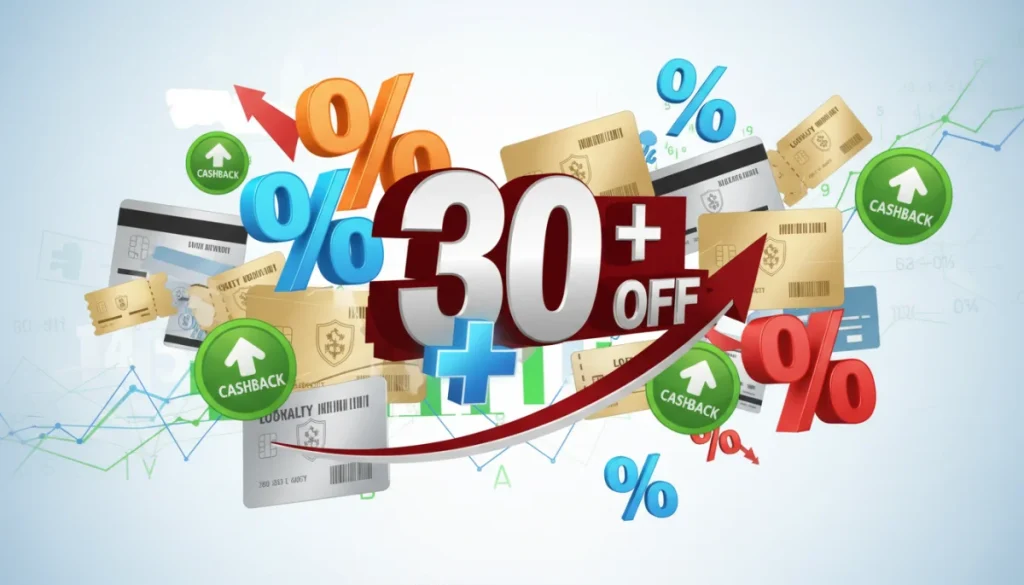
Mastering stacking offers in 2026 is crucial for significant savings, allowing consumers to combine multiple promotions—coupons, cashback, and loyalty points—to achieve over 30% discounts and enhance their financial well-being.
Are you ready to revolutionize your spending habits and unlock unprecedented savings? In 2026, the strategy of stacking offers 2026 has evolved into a sophisticated art form, promising savvy consumers the potential to achieve 30% or even greater discounts on their purchases. This guide delves deep into the insider knowledge you need to master this powerful financial tool.
understanding the basics of offer stacking
Offer stacking is the strategic practice of combining multiple discounts, promotions, or rewards on a single purchase. It’s more than just using one coupon; it’s about layering various savings mechanisms to maximize your financial benefit. This approach requires a keen eye for detail and an understanding of how different promotional types can coexist.
Many retailers now explicitly state their policy on combining offers, making it essential for consumers to be informed. The landscape of discounts is dynamic, with new digital tools and loyalty programs constantly emerging. Success in offer stacking hinges on being proactive and understanding the rules of engagement for each transaction.
types of promotions that can be stacked
- Manufacturer Coupons: These are issued by the brand and can often be combined with store-specific promotions.
- Store Coupons: Provided by the retailer, these are typically valid for a specific store or chain.
- Cashback Apps/Websites: Platforms like Rakuten or Ibotta offer a percentage of your purchase back as cash or points.
- Credit Card Rewards: Many credit cards provide bonus points, cashback, or exclusive discounts at certain retailers.
Understanding the interplay between these different types of offers is the first step towards significant savings. While some combinations are straightforward, others require a bit of research and planning. The goal is always to find where the policies align to allow for multiple reductions on a single item or total cart value.
The ability to identify which promotions are compatible is a skill that develops with practice. It involves reading the fine print, comparing terms and conditions, and sometimes even a quick inquiry with customer service. This foundational knowledge is critical for anyone aiming to achieve substantial discounts through offer stacking.
the digital advantage: leveraging apps and online platforms
In 2026, the digital realm is your most powerful ally in the quest for stacked savings. Mobile applications and dedicated websites have streamlined the process, making it easier than ever to discover, clip, and apply multiple discounts. These platforms often integrate loyalty programs, cashback opportunities, and coupon databases, all in one place.
The proliferation of smart shopping tools means that a significant portion of successful offer stacking now happens before you even step into a store or finalize an online cart. Learning to navigate these digital ecosystems effectively is paramount for maximizing your savings potential.
essential digital tools for stacking
- Browser Extensions: Tools like Honey or Capital One Shopping automatically search and apply coupon codes at checkout.
- Cashback Apps: Ibotta, Fetch Rewards, and Rakuten are excellent for earning cash back on everyday purchases, which can be combined with other discounts.
- Retailer Apps: Many stores offer exclusive in-app coupons, early access to sales, and loyalty points that can be redeemed.
- Price Comparison Websites: Ensure you’re getting the best base price before applying any discounts.
These digital resources not only simplify the coupon-finding process but also often provide insights into which offers are stackable. Many apps will even alert you when a better deal is available or when a combination of offers could lead to greater savings. This level of automation takes much of the guesswork out of the equation.
Embracing these digital tools transforms shopping from a chore into a strategic game, where every successful stack is a win. Staying updated on the latest app features and platform integrations will keep you ahead of the curve in the evolving landscape of digital savings.
mastering credit card rewards and loyalty programs
Beyond traditional coupons and cashback, credit card rewards and loyalty programs represent another powerful layer in the art of offer stacking. These programs often provide unique opportunities for savings that can be combined with other promotions, amplifying your overall discount. Understanding their mechanics is key to unlocking deeper financial benefits.
Many consumers overlook the potential of their existing credit cards or fail to fully utilize loyalty points. In 2026, integrating these into your stacking strategy is no longer optional but essential for achieving the highest possible savings percentage.
integrating credit card benefits
Your credit cards can be a goldmine for additional savings. Many cards offer rotating bonus categories that provide 5% cashback or more at specific retailers or on certain types of purchases. Timing your shopping to align with these categories can significantly boost your overall savings. Furthermore, some credit cards offer exclusive discounts or statement credits when you shop at partner merchants, which can often be combined with in-store or online promotions.
It’s crucial to review your credit card benefits regularly, as these offers can change quarterly or annually. Setting up alerts for new bonus categories or merchant offers ensures you don’t miss out on potential stacking opportunities.
maximizing loyalty program points
Loyalty programs, whether for specific retailers, airlines, or hotel chains, are designed to reward repeat business. The points or rewards earned can often be redeemed for discounts, free products, or exclusive access to sales. The trick is to understand when and how these rewards can be combined with other forms of payment or discounts.
For instance, some retailers allow you to redeem loyalty points for a dollar amount off your purchase, and then apply a manufacturer or store coupon on top of that. Others might offer a percentage off for loyalty members that stacks with a general sale. Always check the terms and conditions of each program to identify these valuable stacking possibilities.
By diligently tracking and leveraging your credit card rewards and loyalty points, you add a formidable layer to your offer stacking strategy. This integrated approach ensures that every transaction is optimized for maximum savings, contributing significantly to your overall financial well-being.
strategic planning: timing and research are key
The difference between a good deal and an exceptional one often comes down to strategic planning. Offer stacking is not just about finding discounts; it’s about intelligently combining them at the right time. This requires a blend of research, patience, and a bit of foresight to capitalize on overlapping promotional periods and retailer policies.
In 2026, the retail landscape is highly competitive, with promotions often coinciding. Your ability to identify and exploit these convergences will directly impact the depth of your savings. Think of it as a financial chess game, where anticipating moves leads to significant gains.

Timing is everything when it comes to stacking offers. Major sales events like Black Friday, Cyber Monday, and seasonal clearances are prime opportunities. Retailers often roll out their most aggressive deals during these periods, and these sales can frequently be combined with manufacturer coupons, cashback offers, and credit card rewards. Keeping a calendar of these events and planning your purchases around them is a smart move.
Beyond major sales, pay attention to the cadence of promotions from your favorite stores. Many retailers have predictable discount cycles or release new coupons on a regular basis. Subscribing to newsletters and following social media accounts can provide early alerts to upcoming deals, giving you a head start on your stacking strategy.
the power of price matching and post-purchase adjustments
Don’t overlook the potential of price matching. Some retailers will match a competitor’s lower price, and in certain cases, you can then apply additional coupons or discounts on top of the adjusted price. Always inquire about a store’s price matching policy and whether it allows for further promotional stacking.
Similarly, keep an eye on post-purchase price drops. Many credit cards offer price protection, refunding the difference if an item you bought goes on sale within a certain timeframe. Combine this with the initial stacked discounts, and your savings can be truly remarkable. Strategic planning transforms casual shopping into a highly efficient savings operation.
bypassing common pitfalls and maximizing your 30%+ savings
While the allure of stacking offers for 30%+ savings is strong, the path isn’t always straightforward. There are common pitfalls that can derail your efforts, from misunderstanding terms and conditions to overlooking expiring offers. Navigating these challenges effectively is crucial for consistent success in your savings endeavors.
In 2026, as retailers become more sophisticated in their promotional strategies, consumers must also refine their approach to avoid disappointment and truly maximize their financial impact.
understanding exclusion lists and fine print
The most frequent pitfall is failing to read the fine print. Most coupons and promotions come with extensive terms and conditions, including exclusion lists (brands, products, or categories not eligible for the discount) and limitations on combining offers. A common rule is “one coupon per item” or “cannot be combined with other offers.” Always verify these details before attempting to stack.
Pay close attention to expiration dates. A fantastic offer means nothing if it’s expired. Organize your digital and physical coupons, perhaps using a dedicated app or a simple spreadsheet, to ensure you utilize them before they become invalid.
avoiding overspending and impulse buys
The thrill of a great deal can sometimes lead to impulse purchases or buying items you don’t truly need. This negates the purpose of saving money. A core tenet of smart spending is to only buy what you would have purchased anyway, even without the discount.
Create a shopping list and stick to it. Before making a purchase, ask yourself if the item is truly necessary or if you’re just being swayed by the discount. True financial impact comes from saving money on essential purchases, not from spending less on unnecessary ones.
By being diligent about reading the fine print, staying organized with your offers, and maintaining a disciplined approach to your spending, you can effectively bypass common pitfalls. This strategic awareness ensures that your offer stacking efforts consistently lead to genuine savings and a positive financial impact, helping you reliably achieve that 30%+ discount target.
real-world examples and case studies of successful stacking
Understanding the theory behind offer stacking is one thing, but seeing it in action truly brings the concept to life. Real-world examples and case studies illustrate how savvy shoppers in 2026 are combining various promotions to achieve significant, often surprising, discounts. These insights provide practical inspiration and demonstrate the immense financial impact possible.
These scenarios highlight the creativity and attention to detail required to turn multiple small discounts into one substantial saving. They serve as a testament to the power of a well-executed stacking strategy.
case study 1: the grocery haul
Consider Sarah, who needed to stock up on groceries. She started by checking her store’s weekly ad for sale items. Then, she scoured manufacturer coupon sites and her loyalty app for digital coupons on those sale items. She found a brand-specific coupon for $1 off a cereal already on sale for $3, bringing it to $2. She also had a store-wide coupon for $5 off a $50 purchase. Finally, she activated a cashback offer on her Ibotta app for 50 cents back on milk and used a credit card that offered 3% cashback on grocery purchases.
By combining the sale price, manufacturer coupon, store coupon, cashback app, and credit card rewards, Sarah achieved an effective discount of over 35% on her total grocery bill. This layered approach turned everyday shopping into a significant saving opportunity.
case study 2: electronics upgrade
Mark wanted a new tablet. He waited for a major electronics retailer to announce a sale, offering 15% off all tablets. Concurrently, his credit card company was running a promotion for an additional 10% cashback at that specific retailer. He also found a coupon code online for $25 off purchases over $300. The tablet was priced at $400.
First, the 15% sale brought the price to $340. Then, he applied the $25 coupon, reducing it to $315. Finally, the 10% cashback from his credit card (on the original $400) amounted to $40 back. His total out-of-pocket was $315, but with the cashback, the effective price was $275, representing a 31.25% discount from the original price. This strategic combination of a sale, a coupon, and credit card rewards resulted in substantial savings on a high-value item.
These examples underscore that effective offer stacking is not a fluke but a result of diligent research and strategic application. By analyzing available promotions and understanding their compatibility, anyone can replicate these successes and achieve remarkable financial benefits on their purchases in 2026.
| Key Aspect | Brief Description |
|---|---|
| Offer Stacking Definition | Combining multiple discounts (coupons, cashback, rewards) on a single purchase for maximum savings. |
| Digital Tools | Leveraging apps and browser extensions for automated coupon finding and cashback opportunities. |
| Credit Card Rewards | Integrating credit card bonus categories and merchant offers for additional layers of savings. |
| Avoiding Pitfalls | Carefully reading fine print and resisting impulse buys to ensure genuine financial benefit. |
frequently asked questions about offer stacking
Stacking offers in 2026 refers to the advanced practice of combining multiple discounts, such as manufacturer coupons, store promotions, cashback from apps, and credit card rewards, on a single purchase. The goal is to maximize savings beyond what any single offer could provide, often reaching 30% or more off the original price.
No, not all coupons and promotions are stackable. Retailers and brands have specific policies, often outlined in the fine print of each offer. It’s crucial to read the terms and conditions carefully to understand which combinations are permitted. Some common restrictions include “one coupon per item” or “not combinable with other offers.”
Essential digital tools for effective offer stacking include browser extensions like Honey or Capital One Shopping for automatic coupon application, cashback apps such as Ibotta and Rakuten, and individual retailer apps for exclusive deals and loyalty points. Price comparison websites also help ensure you start with the best base price.
Credit card rewards can significantly enhance your stacking strategy by offering bonus cashback in rotating categories or exclusive discounts at partner merchants. Using a card that gives 5% back on groceries, for example, can be layered on top of store sales and coupons, adding another valuable layer of savings to your overall purchase.
The biggest mistake to avoid when stacking offers is making impulse purchases or buying items you don’t need simply because there’s a good discount. True savings come from reducing the cost of items you would have bought anyway. Always prioritize your actual needs and budget over the allure of a seemingly irresistible deal.
conclusion
In 2026, mastering the art of stacking offers is a powerful strategy for anyone looking to significantly enhance their financial well-being. By diligently combining manufacturer and store coupons, leveraging digital cashback platforms, and strategically utilizing credit card rewards and loyalty programs, consumers can consistently achieve 30% or more off their purchases. This guide has provided the insider knowledge and practical steps necessary to navigate the complex world of promotions, turning savvy shopping into a substantial financial advantage. Embrace these strategies, and watch your savings grow.