Optimizing 2026 Spending: Reduce Costs by 20% with This Guide
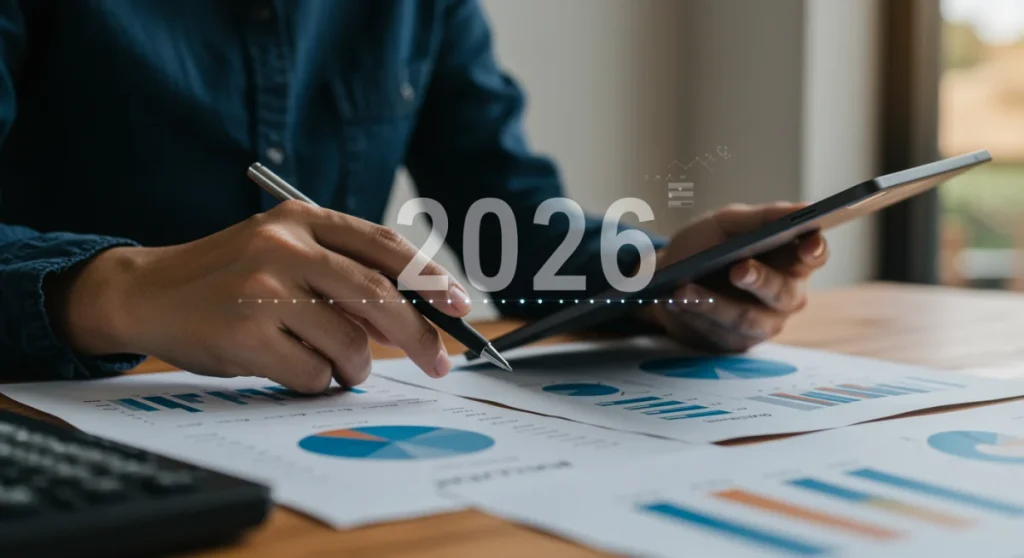
Achieving significant cost reduction in 2026 requires a proactive and systematic approach to financial analysis, strategic planning, and disciplined execution across all spending categories.
Are you ready to transform your financial landscape in the coming year? In an ever-evolving economic environment, mastering the art of optimizing 2026 spending isn’t just a goal; it’s a strategic imperative for both individuals and businesses. This comprehensive guide will walk you through a step-by-step process designed to help you identify, analyze, and ultimately reduce unnecessary costs by a significant 20%, paving the way for greater financial stability and growth.
Understanding Your Current Financial Landscape
Before any meaningful reduction can occur, a clear and honest assessment of your current financial situation is paramount. This initial phase involves gathering all relevant financial data and scrutinizing where every dollar is currently allocated. Many individuals and organizations underestimate the power of this foundational step, often leading to superficial cost-cutting efforts rather than sustainable change.
The goal here is not merely to list expenses but to categorize them rigorously. Think beyond broad categories like ‘utilities’ or ‘office supplies.’ Dig deeper into sub-categories to uncover patterns and identify specific areas ripe for optimization. This level of detail provides the granular insights needed for effective decision-making.
Collecting and Categorizing Data
The first step is to collect all financial statements, receipts, and invoices from the past 6-12 months. This period offers a robust sample size to identify recurring expenses and seasonal variations. Digital tools and budgeting software can significantly streamline this process, automatically categorizing transactions.
- Bank statements: Review all transactions from checking and savings accounts.
- Credit card statements: Analyze every purchase to identify discretionary spending.
- Utility bills: Track electricity, gas, water, and internet usage and costs.
- Subscription services: Compile a list of all recurring monthly or annual subscriptions.
Once collected, categorize these expenses into fixed (e.g., rent, loan payments) and variable (e.g., groceries, entertainment) costs. This distinction is crucial for determining where flexibility exists for reduction. Understanding your financial landscape is the bedrock upon which all subsequent cost-saving strategies will be built, ensuring that your efforts are targeted and impactful.
Setting Realistic and Achievable Reduction Goals
Once you have a clear picture of your spending, the next critical step in optimizing 2026 spending is to set specific, measurable, achievable, relevant, and time-bound (SMART) goals. A blanket target of ‘reduce costs’ is often too vague to be effective. Aiming for a 20% reduction is ambitious but entirely attainable with a strategic approach and consistent effort.
This phase involves translating your detailed financial analysis into actionable targets. It’s not about deprivation, but about prioritization and smart resource allocation. Consider your financial objectives beyond just saving money; perhaps it’s about investing more, reducing debt, or building a stronger emergency fund. These broader goals provide motivation and context for your cost-cutting efforts.
Identifying Areas for a 20% Cut
Review your categorized expenses with the 20% target in mind. Some areas will offer more flexibility than others. Discretionary spending, such as dining out, entertainment, or non-essential purchases, often presents the most immediate opportunities for significant cuts without impacting core needs.
- Discretionary Spending: Analyze how much you spend on luxuries and non-essentials.
- Recurring Subscriptions: Identify unused or underutilized services and cancel them.
- Negotiable Bills: Look for opportunities to renegotiate rates for insurance, internet, or phone plans.
- Energy Consumption: Explore ways to reduce utility costs through efficiency improvements.
Break down the 20% goal into smaller, manageable chunks across different categories. For example, a 5% cut in groceries, a 10% cut in entertainment, and a 5% cut in transportation might collectively contribute to your overall target. This segmented approach makes the goal less daunting and easier to track. Setting realistic goals ensures that your cost-reduction journey is sustainable and leads to lasting financial improvements.
Strategic Implementation of Cost-Reduction Measures
With a clear understanding of your finances and well-defined goals, the next phase is to strategically implement cost-reduction measures. This is where the rubber meets the road, transforming intentions into tangible savings. Effective implementation requires a blend of discipline, creativity, and a willingness to challenge existing habits.
This stage isn’t about drastic, unsustainable changes, but rather about adopting smarter spending habits and seeking out efficiencies. It’s about making conscious choices that align with your financial objectives for 2026. Prioritize actions that yield the most significant impact with the least disruption, and gradually integrate more profound changes as you build momentum.
Practical Steps for Immediate Savings
Begin with simple, impactful changes that can quickly contribute to your 20% reduction target. These quick wins build confidence and demonstrate the effectiveness of your efforts.
- Meal Planning: Reduce grocery waste and impulse buys by planning meals in advance.
- Energy Efficiency: Unplug electronics, use LED lights, and optimize thermostat settings.
- Transportation Alternatives: Consider carpooling, public transit, or cycling for shorter commutes.
- Subscription Audit: Regularly review and cancel any services you no longer use or need.
For larger expenses, explore options like refinancing loans, negotiating better insurance rates, or seeking competitive bids for services. Remember that many service providers are willing to offer discounts or better terms to retain customers. Don’t hesitate to ask. Strategic implementation is about making informed choices that align with your overall goal of optimizing 2026 spending, ensuring every action contributes to your 20% cost reduction.
Leveraging Technology for Expense Tracking and Budgeting
In the digital age, technology offers powerful tools to assist in optimizing 2026 spending. Modern budgeting apps and financial management software can automate much of the tedious work associated with tracking expenses, categorizing transactions, and monitoring progress against your goals. These tools provide real-time insights, making it easier to stay on track and identify potential overspending before it becomes a problem.
The advantage of leveraging technology lies in its ability to provide an objective, comprehensive view of your financial health. It removes the guesswork and provides data-driven insights that manual tracking often misses. By integrating these tools into your financial routine, you can maintain a proactive stance on cost management, ensuring sustained progress toward your 20% reduction target.
Top Tools for Financial Management
Several excellent applications and platforms can help you manage your finances more effectively. Choosing the right one depends on your specific needs and preferences, but most offer similar core functionalities.
- Budgeting Apps: Mint, YNAB (You Need A Budget), Personal Capital.
- Expense Trackers: Expensify, QuickBooks Self-Employed for business expenses.
- Investment Trackers: Fidelity, Vanguard apps for monitoring portfolio growth.
- Bill Reminders: Prism, Truebill for managing recurring payments and subscriptions.
These tools not only help in tracking but also offer features like setting spending limits, creating custom categories, and generating reports that visualize your financial data. Some even provide alerts for unusual spending patterns or upcoming bills, acting as a personal financial assistant. Integrating technology into your cost-reduction strategy is a smart move that empowers you with the information needed to make informed decisions and maintain control over your finances throughout 2026.
Negotiating and Renegotiating Contracts and Services
One often-overlooked area for significant cost reduction in optimizing 2026 spending is the proactive negotiation and renegotiation of existing contracts and services. Many people assume that prices for utilities, insurance, internet, and even recurring subscriptions are fixed, but this is rarely the case. A little effort in this area can yield substantial savings over the course of a year.
This strategy requires a confident and informed approach. Before engaging with service providers, do your homework. Research competitor pricing and be prepared to articulate why you believe you deserve a better deal. Frame your request as a desire to continue as a loyal customer while seeking more competitive terms. Remember, providers would often rather offer a discount than lose a customer entirely.
Strategies for Effective Negotiation
Approaching negotiations with a clear plan can significantly increase your chances of success. It’s about being prepared, polite, and persistent.
- Research Competitors: Gather quotes from other providers to leverage during negotiations.
- Highlight Loyalty: Remind your current provider of your long-standing relationship.
- Ask for Promotions: Inquire about any current deals or loyalty programs.
- Be Prepared to Switch: Having alternatives gives you leverage.
Don’t just focus on monthly bills. Consider annual contracts for services like pest control, landscaping, or gym memberships. Often, paying annually can result in a discount compared to monthly payments. Furthermore, review your insurance policies regularly; as your life circumstances change, your insurance needs might too, allowing for adjustments that reduce premiums. Proactive negotiation is a powerful yet simple way to chip away at your expenses, contributing significantly to your 20% cost reduction goal for 2026.
Maintaining Discipline and Long-Term Sustainability
Achieving a 20% reduction in unnecessary costs is an impressive feat, but the true measure of success lies in maintaining that discipline and ensuring long-term sustainability. Optimizing 2026 spending isn’t a one-time event; it’s an ongoing commitment to smart financial habits. Without a sustained effort, old spending patterns can quickly re-emerge, eroding the progress you’ve made.
This phase emphasizes the importance of regular reviews, adaptability, and continuous learning. Financial landscapes change, and so too should your strategies. Building sustainable habits means integrating cost-conscious decisions into your daily routine, making them second nature rather than a constant struggle. It’s about fostering a mindful approach to every purchase and expense.
Strategies for Sustained Financial Health
To ensure your cost-reduction efforts endure beyond 2026, implement strategies that reinforce positive financial behaviors.
- Regular Budget Reviews: Schedule monthly or quarterly check-ins to assess your spending and adjust your budget as needed.
- Automate Savings: Set up automatic transfers to savings accounts to prioritize saving before spending.
- Continuous Learning: Stay informed about financial trends and new opportunities for saving or investing.
- Reward Progress: Acknowledge your achievements to stay motivated, but do so wisely without undermining your goals.
Building a strong financial foundation takes time and consistent effort. It involves more than just cutting expenses; it’s about cultivating a mindset of financial responsibility and empowerment. By integrating these practices, you can ensure that the benefits of optimizing 2026 spending extend far into the future, creating lasting financial security and peace of mind.
| Key Strategy | Brief Description |
|---|---|
| Financial Audit | Thoroughly review all income and expenses to identify spending patterns and areas for reduction. |
| Set SMART Goals | Define Specific, Measurable, Achievable, Relevant, and Time-bound targets for cost reduction. |
| Leverage Technology | Utilize budgeting apps and software for automated tracking and insightful financial analysis. |
| Negotiate Services | Actively renegotiate contracts for utilities, insurance, and other services to secure better rates. |
Frequently Asked Questions About 2026 Spending Optimization
The first step is a thorough financial audit. This involves collecting all financial data, categorizing every expense, and gaining a clear understanding of your current spending habits. This foundational analysis is crucial for identifying areas where cost reductions can be most effectively implemented.
Achieving a 20% reduction is realistic by targeting discretionary spending, auditing subscriptions, negotiating services, and implementing energy-saving measures. Break the 20% goal into smaller, manageable targets across various expense categories to make it more attainable and less overwhelming.
Popular budgeting and expense tracking apps like Mint, YNAB (You Need A Budget), and Personal Capital are highly effective. These tools automate categorization, provide real-time insights, and help monitor spending against your budget, making financial management much simpler and more efficient.
Yes, absolutely. Many service providers, including those for internet, insurance, and utilities, are often willing to negotiate rates to retain customers. Research competitor prices, highlight your loyalty, and be prepared to ask for better terms or promotions to reduce your monthly expenses.
Long-term sustainability requires regular budget reviews, automating savings, continuous financial education, and rewarding progress responsibly. Integrate cost-conscious habits into your daily routine and adapt your strategies as your financial situation or economic conditions change to maintain discipline.
Conclusion
Optimizing 2026 spending to achieve a 20% reduction in unnecessary costs is a journey that demands diligence, strategic planning, and consistent execution. By meticulously auditing your finances, setting clear goals, leveraging modern technology, and embracing proactive negotiation, you can transform your financial habits and secure a more stable future. Remember that financial optimization is an ongoing process, not a one-time fix. The discipline and smart choices you implement today will yield significant benefits, empowering you with greater control and peace of mind in the years to come.