Decoding 2026 Return Policies: Avoid Restocking Fees
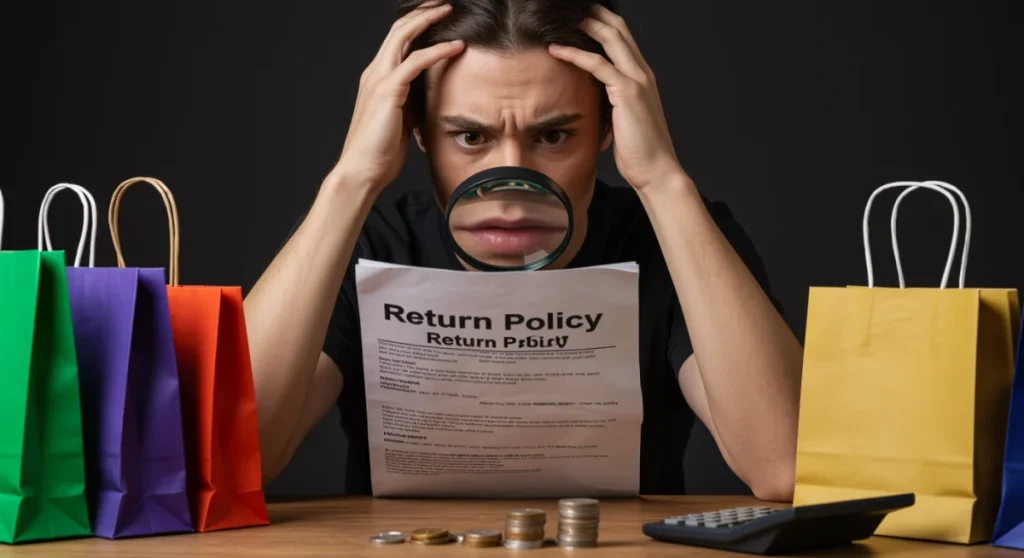
Understanding and navigating 2026 return policies is crucial for US consumers to avoid unexpected restocking fees, which can deduct up to 20% from refunds, ensuring smarter spending.
In the dynamic landscape of 2026 retail, mastering the intricacies of return policies is more vital than ever. This guide, decoding 2026 return policies: save money by avoiding restocking fees of up to 20%, provides essential insights for consumers in the United States to protect their wallets and make informed purchasing decisions. Join us as we unravel the fine print, empower you with knowledge, and help you navigate the evolving world of product returns without losing a dime to unexpected charges.
Understanding the rise of restocking fees in 2026
Restocking fees have become an increasingly prevalent aspect of retail return policies in 2026, often catching consumers off guard. These charges, which can range significantly, are typically levied by retailers to cover costs associated with processing returns, such as inspecting, repackaging, and re-shelving items. While some retailers view them as a necessary evil to mitigate losses from returns, consumers often perceive them as an unfair penalty.
The economic climate and increased online shopping volume have contributed to this trend. Retailers face higher operational costs for managing returns, especially for items that cannot be resold as new. This section delves into the reasons behind the rise of these fees and how they impact consumer spending.
Why retailers implement restocking fees
There are several legitimate reasons why businesses choose to implement restocking fees. Understanding these can help consumers appreciate the retailer’s perspective, though it doesn’t lessen the financial impact on the individual.
- Operational costs: Handling returns involves labor, shipping, inspection, and administrative expenses.
- Loss of value: Items, particularly electronics or specialized goods, may depreciate or become unsellable as “new” after being opened or used.
- Deterring serial returners: Some consumers habitually purchase items with the intent to return, a practice that strains resources.
- Environmental impact: Reducing unnecessary returns also helps minimize waste and carbon footprint associated with reverse logistics.
Ultimately, restocking fees are a mechanism for retailers to recoup some of these costs, ensuring their business remains viable amidst a high volume of returns. For consumers, this means being extra diligent before making a purchase.
The conclusion here is that restocking fees are a complex issue, driven by both operational necessities and consumer behavior. Being aware of their existence and the reasons behind them is the first step in effectively navigating 2026 return policies.
Identifying common products subject to restocking fees
Not all products are created equal when it comes to return policies and the potential for restocking fees. Certain categories are far more susceptible to these charges due to their nature, value, or the effort required to process their return. Knowing which items typically incur these fees can significantly aid in smart spending and help you avoid restocking fees.
This section will highlight the most common product types where you should expect to encounter restocking fees, providing practical examples and advice for each category. Being informed about these specifics allows you to approach your purchases with a strategic mindset, minimizing financial surprises.
High-risk product categories
When shopping, especially for higher-value items or those with specific usage criteria, always assume a restocking fee might apply unless explicitly stated otherwise. Here are some of the prime candidates:
- Electronics: Laptops, cameras, smartphones, and gaming consoles often come with significant restocking fees, particularly if opened or used. The value depreciation is rapid.
- Furniture and large appliances: These items incur substantial shipping and handling costs, which retailers will often pass on in the event of a return.
- Specialty items: Custom-ordered goods, personalized products, or specific medical devices usually have strict return policies, including fees, due to their unique nature.
- Software and digital licenses: Once activated, software is generally non-returnable; however, some physical copies might carry a fee if the seal is broken.
Understanding these categories empowers you to ask the right questions before you buy. For instance, inquiring about the specific conditions for returning an opened electronic device can save you a percentage of its cost if a return becomes necessary. Always prioritize clarity from the retailer.
The takeaway is that vigilance is key when purchasing products from these categories. Always review the return policy thoroughly before committing to the purchase, as these are the areas where restocking fees are most likely to impact your refund.
Strategies for reviewing 2026 return policies effectively
Navigating the labyrinth of return policies in 2026 requires a strategic approach. Simply skimming the policy is no longer sufficient to protect yourself from potential restocking fees. An effective review involves understanding where to look, what questions to ask, and how to interpret the often-dense legal language used by retailers.
This section provides actionable strategies to ensure you fully comprehend a store’s return policy before making a purchase. By adopting these methods, you can confidently shop, knowing you’ve taken proactive steps to avoid unexpected charges and save money.
Where to find and what to look for
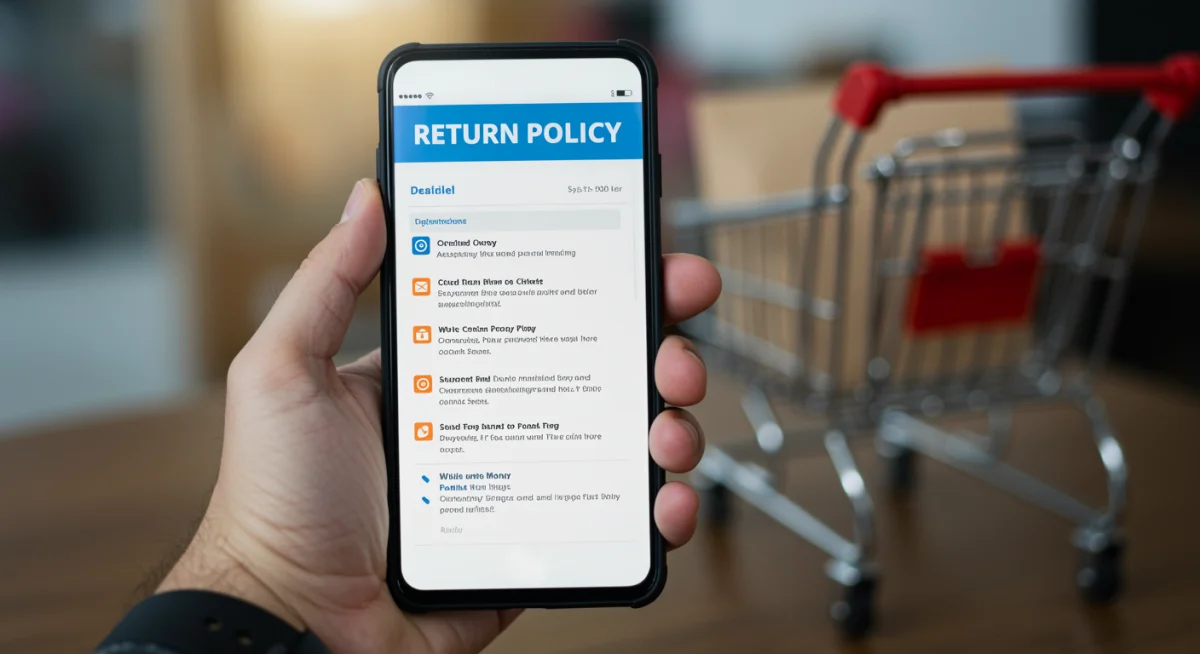
Most retailers, both online and brick-and-mortar, make their return policies accessible. However, the details regarding restocking fees can sometimes be buried in the fine print. Always prioritize finding the full, official policy.
When reviewing, pay close attention to:
- Specific mention of restocking fees: Look for exact percentages or flat fees and the conditions under which they apply (e.g., opened box, damaged packaging).
- Timeframes for returns: Shorter return windows might indicate a stricter policy overall.
- Condition of returned items: Policies often stipulate items must be in “new,” “unused,” or “resaleable” condition. Understand what these terms mean to the retailer.
- Proof of purchase requirements: Always keep receipts, order confirmations, and original packaging.
- Exclusions: Some items are simply non-returnable, regardless of condition or timeframe.
It’s also beneficial to check if the policy differs for online versus in-store purchases, as these can sometimes vary significantly. Don’t hesitate to use the search function on a retailer’s website to quickly locate terms like “restocking fee” or “returns.”
The conclusion for this section is that a thorough and methodical review of return policies is your best defense against unexpected restocking fees. Knowing exactly what to look for and where to find it empowers you as a consumer.
Negotiating or waiving restocking fees: is it possible?
While return policies often seem rigid, there can be instances where negotiating or even waiving restocking fees is possible. It requires a polite, persistent, and well-reasoned approach. Many consumers simply accept the fee, unaware that some flexibility might exist, especially under specific circumstances.
This section explores the various scenarios and techniques you can employ to potentially reduce or eliminate a restocking fee. Understanding your leverage and how to communicate effectively with customer service can be the difference between a full refund and a reduced one, helping you save money.
Tips for a successful negotiation
Approaching customer service with the right mindset and information can significantly improve your chances of a favorable outcome. Remember, the goal is to find a mutually agreeable solution.
- Be prepared: Have all purchase details, including receipts, order numbers, and the specific return policy language, readily available.
- Be polite and articulate: A calm and respectful tone is more likely to yield positive results than an aggressive one. Clearly explain your situation.
- Highlight special circumstances: Did the product arrive damaged? Was there a misrepresentation in the product description? These factors can be strong arguments for waiving a fee.
- Mention loyalty: If you are a long-standing or frequent customer, subtly reminding them of your loyalty can sometimes sway their decision.
- Escalate if necessary: If the first representative cannot help, politely ask to speak with a supervisor or manager.
It’s important to remember that success is not guaranteed, but a well-executed negotiation can often lead to a positive resolution. Retailers value customer satisfaction and may be willing to make exceptions to maintain goodwill, particularly if the issue isn’t clearly your fault.
In conclusion, never assume a restocking fee is non-negotiable. By preparing adequately, communicating effectively, and understanding when you have a strong case, you can often successfully appeal these charges and keep more of your money.
Consumer rights and protections against unfair fees
While retailers have the right to establish their return policies, consumers in the United States are also protected by various rights and regulations. Understanding these protections is crucial when confronting what you perceive as unfair restocking fees. Knowledge of your rights empowers you to challenge questionable charges and ensure you are treated fairly, aligning with the goal of decoding 2026 return policies and avoiding undue costs.
This section will outline key consumer protections and avenues for recourse if you believe a restocking fee has been unfairly applied. Being informed about these safeguards can provide a crucial layer of defense against practices that might violate consumer trust or established guidelines.
Key consumer protections and resources
Several organizations and legal frameworks exist to protect consumers from deceptive or unfair business practices. If negotiation with the retailer fails, these resources can provide further assistance:
- Federal Trade Commission (FTC): The FTC works to prevent fraudulent, deceptive, and unfair business practices. While they don’t directly handle individual complaints, they gather information that can lead to enforcement actions.
- State Attorney General’s Office: Your state’s Attorney General’s office often has a consumer protection division that can mediate disputes or investigate patterns of unfair practices.
- Better Business Bureau (BBB): The BBB allows consumers to file complaints against businesses, which can sometimes prompt a resolution. It also helps other consumers make informed decisions.
- Credit card chargebacks: If a retailer refuses to refund you for an item that was misrepresented or if the restocking fee was not disclosed, you might be able to dispute the charge with your credit card company.
- Small claims court: For significant amounts, small claims court can be an option, though it should be considered a last resort.
Before escalating a complaint, ensure you have thoroughly documented all communications with the retailer, including dates, times, names of representatives, and summaries of conversations. This documentation will be invaluable if you need to pursue further action.
In summary, while retailers set their policies, consumers are not without recourse. Knowing your rights and the available channels for protection can help you challenge unfair restocking fees and ensure you’re not taken advantage of in the 2026 retail landscape.
Proactive shopping habits to minimize return risks
The most effective strategy to avoid restocking fees in 2026 is to minimize the need for returns in the first place. By adopting proactive and informed shopping habits, consumers can significantly reduce their risk of incurring these charges. This approach not only saves money but also conserves time and reduces the environmental impact associated with product returns.
This section focuses on practical tips and smart purchasing behaviors that empower you to make more confident decisions. By integrating these habits into your shopping routine, you can navigate the retail world with greater assurance and effectively avoid restocking fees of up to 20%.
Smart purchasing strategies
Before clicking “buy” or heading to the checkout, take a moment to implement these preventative measures:
- Thorough product research: Read reviews, watch unboxing videos, and compare specifications across different brands. The more you know, the less likely you are to be disappointed.
- Check product compatibility: Ensure the item works with your existing devices or systems. This is especially crucial for electronics and accessories.
- Understand sizing and dimensions: For clothing, check size charts and read comments about fit. For furniture or appliances, measure your space accurately.
- Utilize virtual try-ons or augmented reality: Many online retailers now offer tools that allow you to visualize products in your home or on your person, improving purchase accuracy.
- Read the return policy *before* purchase: Make it a habit to quickly review the return policy, specifically looking for restocking fees, even for items you expect to keep.
These habits, while seemingly small, collectively build a robust defense against the need for returns and the associated fees. They shift the focus from reacting to a problem to preventing it from occurring.
In conclusion, proactive shopping is your strongest ally against restocking fees. By investing a little extra time and effort upfront, you can significantly reduce the likelihood of needing to return an item, thereby saving money and avoiding unnecessary charges.
The future of returns: what to expect beyond 2026
The retail landscape is constantly evolving, and return policies are no exception. As we look beyond 2026, several trends and innovations are likely to shape how consumers interact with returns and how retailers manage them. Understanding these potential shifts can help consumers remain agile and continue to save money by anticipating changes in policies, including those related to restocking fees.
This section explores emerging trends and predictions for the future of product returns, offering a glimpse into what consumers in the United States might expect. Staying ahead of the curve is an essential part of smart spending and effective consumer advocacy.
Emerging trends and technological impacts
Retailers are continually seeking ways to optimize the return process, driven by both economic pressures and customer expectations. Future developments could include:
- AI-driven personalized policies: Retailers might use AI to offer customized return policies based on a customer’s purchase history and return behavior, potentially waiving fees for loyal, low-return customers.
- Enhanced virtual try-on technologies: Improvements in AR and VR will further reduce the need for physical returns by allowing more accurate product visualization before purchase.
- Subscription models for returns: Some retailers might introduce subscription services that offer free or reduced-fee returns for a monthly charge, appealing to frequent shoppers.
- Sustainable return options: An increased focus on environmental impact could lead to more incentives for customers to donate or resell unwanted items rather than return them to the retailer.
- Blockchain for transparency: Distributed ledger technology could offer greater transparency in product provenance and return conditions, building consumer trust.
These innovations aim to create a more efficient and customer-friendly return ecosystem, but they will also require consumers to stay informed about new policy structures and technological integrations. The core principle of understanding the terms before committing to a purchase will remain paramount.
In conclusion, the future of returns will likely be characterized by technological advancements and personalized approaches. Consumers who remain informed and adapt their shopping habits will be best positioned to navigate these changes and continue to avoid restocking fees effectively.
| Key Point | Brief Description |
|---|---|
| Restocking Fee Prevalence | Restocking fees are common in 2026, covering retailer costs for returns. |
| High-Risk Products | Electronics, large appliances, and specialty items are most susceptible to fees. |
| Policy Review Strategies | Thoroughly read return policies before purchase, focusing on fee conditions. |
| Proactive Shopping | Minimize returns by conducting research, checking compatibility, and using virtual tools. |
Frequently asked questions about 2026 return policies
A restocking fee is a charge retailers levy when a customer returns an item. It covers the costs associated with processing the return, such as inspecting, repackaging, and re-shelving the product, especially if it cannot be resold as new. Fees can range up to 20% of the item’s price.
Products prone to restocking fees typically include electronics (laptops, cameras), large appliances, furniture, and custom-ordered items. These categories often involve higher handling costs, rapid depreciation, or specialized return processes that justify the fee for retailers.
Always locate the full return policy on the retailer’s website or in-store. Look specifically for any mention of restocking fees, the conditions under which they apply (e.g., opened box), return timeframes, and required item conditions. Read the fine print carefully before purchasing.
Yes, sometimes. Politely explain your situation to customer service, highlighting any special circumstances like product defects or misrepresentation. Being a loyal customer or escalating to a supervisor can also sometimes result in the fee being reduced or waived, though success is not guaranteed.
Consumers in the US are protected by organizations like the FTC and state Attorney General’s offices, which address unfair business practices. You can also file complaints with the Better Business Bureau or dispute charges with your credit card company if a fee was undisclosed or unfairly applied.
Conclusion
Navigating the complex world of 2026 return policies, especially concerning restocking fees, is a critical skill for any smart consumer. By understanding why these fees exist, identifying high-risk products, meticulously reviewing policies, and knowing your negotiation options and consumer rights, you empower yourself to make informed decisions. Proactive shopping habits remain the strongest defense, ensuring you save money and avoid unexpected charges. As the retail landscape continues to evolve, staying informed about future trends will further solidify your position as a savvy shopper, protecting your financial well-being in an ever-changing market.