Unemployment Benefits 2026: Eligibility & 26 Weeks Support

Unemployment benefits in 2026 offer crucial financial assistance for eligible individuals during job loss, with many states potentially providing up to 26 weeks of support to help bridge the gap between employment.
Navigating the complexities of job loss can be daunting, but understanding your rights and available support is the first step toward regaining stability. In 2026, securing unemployment benefits 2026 could provide a vital financial lifeline, potentially offering up to 26 weeks of crucial assistance as you transition to new employment.
understanding unemployment insurance in 2026
Unemployment Insurance (UI) programs are a cornerstone of economic stability, designed to provide temporary financial assistance to eligible workers who have lost their jobs through no fault of their own. As we move into 2026, the fundamental principles of UI remain consistent, though specific state-level regulations and federal mandates can introduce nuances. These benefits are not merely handouts; they are insurance payments funded by employer contributions, ensuring a safety net for the workforce.
The primary goal of UI is to help individuals maintain their basic living expenses while actively seeking new employment. This support can alleviate immediate financial pressure, allowing job seekers to focus on their search rather than succumbing to urgent economic hardship. Understanding the framework of UI in 2026 is critical for anyone who might find themselves unexpectedly out of work.
federal and state roles in UI
- Federal Oversight: While individual states administer their UI programs, the federal government establishes broad guidelines and provides funding through the Federal Unemployment Tax Act (FUTA).
- State Autonomy: Each state defines its specific eligibility criteria, weekly benefit amounts, and duration of benefits, often leading to variations across the country.
- Program Funding: UI benefits are primarily funded by taxes paid by employers, not by the individual worker, emphasizing its insurance-based nature.
The structure of unemployment insurance is a cooperative effort, with federal standards setting the baseline and states tailoring the programs to meet their specific economic conditions and workforce needs. This collaboration aims to create a responsive system that can adapt to both national economic trends and local labor market demands. Staying informed about both federal and state-specific changes is key to navigating the system effectively.
In essence, unemployment insurance in 2026 continues its vital role in supporting the economy and individuals during periods of joblessness. It acts as a temporary wage replacement, giving individuals the opportunity to find suitable new employment without facing immediate destitution. Being aware of the basic operational mechanisms of UI is the first step in preparing for or utilizing these benefits.
eligibility requirements for 2026 unemployment benefits
Determining eligibility for unemployment benefits in 2026 involves meeting a specific set of criteria that can vary slightly from state to state, but generally adhere to federal guidelines. The most crucial aspect is that job loss must be through no fault of your own. This typically means you were laid off, your position was eliminated, or your employer went out of business, rather than being fired for misconduct or voluntarily quitting without good cause.
Beyond the reason for separation, applicants must also meet monetary and work history requirements. States evaluate your past earnings and employment duration to ensure you’ve contributed enough to the UI system to qualify for benefits. These requirements are designed to ensure that the system supports those who have been actively engaged in the workforce.
common eligibility factors
- Reason for Job Separation: You must be unemployed through no fault of your own. This is a foundational requirement across all states.
- Monetary Eligibility: You must have earned a certain amount of wages during a specified base period (typically the first four of the last five completed calendar quarters before you filed your claim).
- Available and Able to Work: You must be physically and mentally capable of working and actively seeking new employment.
- Work Search Requirements: Most states require claimants to demonstrate ongoing efforts to find a job, such as applying for positions, attending job fairs, or participating in reemployment services.
Understanding these eligibility factors is paramount before applying. It helps set realistic expectations and allows you to gather the necessary documentation. For instance, if you voluntarily quit your job, you might still be eligible if you can demonstrate ‘good cause’ related to your employer, such as unsafe working conditions or a significant change in employment terms. However, ‘good cause’ is often narrowly defined and varies by state.
Furthermore, each state has specific rules regarding severance pay, vacation pay, and other forms of compensation that might affect when your benefits begin or the amount you receive. It’s advisable to consult your state’s unemployment agency website for the most precise and up-to-date eligibility information for 2026.
navigating the application process in 2026
Applying for unemployment benefits in 2026 has become increasingly streamlined, with most states offering online application portals. While the digital convenience is significant, the process still requires careful attention to detail and prompt action. The initial step is to file your claim as soon as you become unemployed, as benefits typically do not begin until your application is processed, and delays can mean lost potential payments.
Gathering all necessary documentation before you start the application is crucial. This includes personal identification, employment history details, and information about your separation from your last job. Incomplete applications are a common cause of delays and can postpone your access to much-needed financial support.
key application steps
- Gather Required Information: Collect your Social Security number, driver’s license or state ID, mailing address, employment history for the past 18-24 months (including employer names, addresses, and dates of employment), and the reason for separation.
- File Your Claim Online: Most states prefer and encourage online applications through their respective Department of Labor or Employment Security websites. This is often the fastest way to initiate your claim.
- Certify for Benefits Weekly/Bi-weekly: Once approved, you will need to regularly certify your eligibility, typically weekly or bi-weekly, confirming you are still unemployed, able to work, available for work, and actively seeking employment.
During the application, be prepared to provide detailed information about why you left your last job. Any discrepancies or unclear information can trigger a review, potentially delaying your benefits. If you were terminated, ensure you understand the specific reason provided by your employer, as this will be a key factor in the state’s determination.
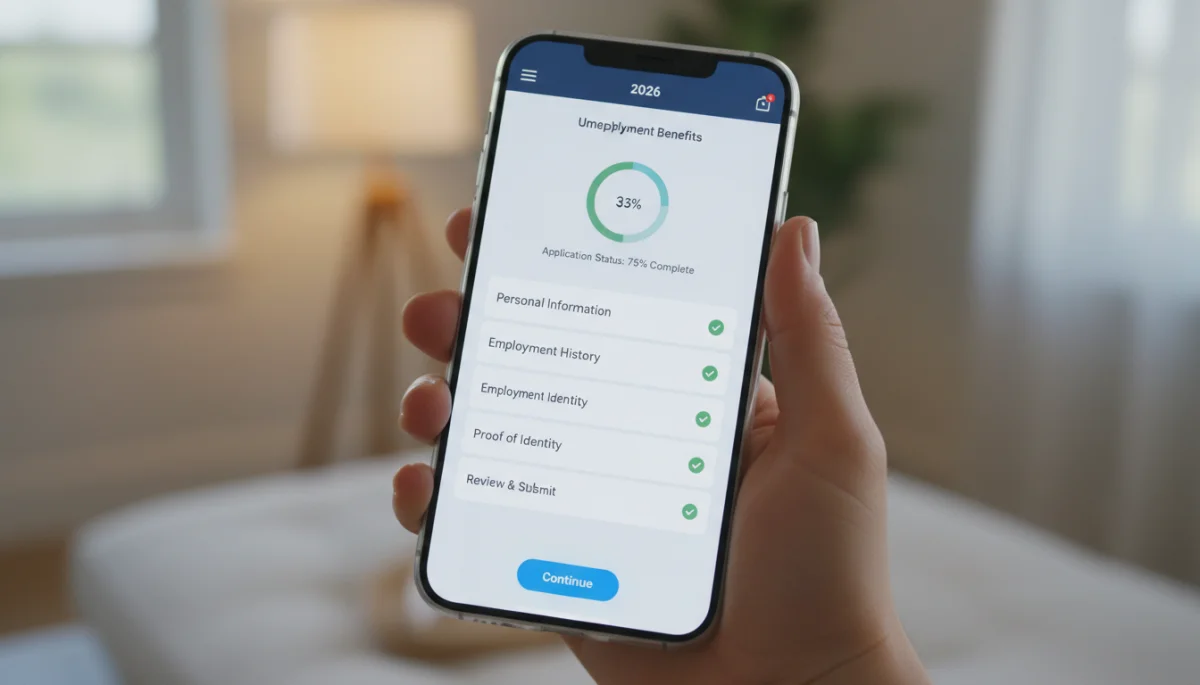
After submission, you will receive communications regarding the status of your claim. This may include a monetary determination outlining your potential weekly benefit amount and the maximum duration of benefits. It’s essential to respond promptly to any requests for additional information to avoid further delays.
Successfully navigating the application process in 2026 requires diligence and accuracy. By being prepared and proactive, you can significantly reduce the stress associated with applying for unemployment benefits and ensure a smoother transition during your job search.
understanding the 26-week benefit duration
A significant aspect of unemployment benefits in 2026 that many individuals inquire about is the duration of support, specifically the potential for up to 26 weeks. This 26-week period is often considered the standard maximum duration for regular state unemployment benefits in many jurisdictions across the United States. However, it’s crucial to understand that this is a maximum, not a guarantee, and the actual duration can vary based on state law and economic conditions.
The 26-week limit is a common benchmark, representing roughly half a year of financial assistance. This duration is intended to provide a reasonable window for job seekers to find new employment without facing severe financial hardship. It’s a balance between providing adequate support and encouraging reemployment.
factors influencing benefit duration
- State-Specific Laws: While 26 weeks is common, some states offer fewer weeks of benefits, especially during periods of low unemployment, while others might extend benefits during high unemployment rates.
- Individual Earnings History: Your total earnings during the base period can influence both your weekly benefit amount and the total number of weeks you are eligible to receive benefits, up to the state maximum.
- Economic Conditions and Federal Programs: In times of severe economic downturn, the federal government may enact emergency unemployment compensation programs that extend benefits beyond the standard state maximums, though these are typically temporary measures.
It’s important to note that the 26-week duration refers to regular state UI benefits. Historically, during significant economic crises, federal programs have been implemented to offer extended benefits. As of 2026, assuming a stable economic environment, the focus is on these regular state-funded programs. Therefore, relying on federal extensions is not a default assumption and should only be considered if explicitly announced.
Claimants should always monitor their state’s unemployment agency website for the most current information regarding benefit duration and any potential changes. Planning your job search and financial strategy around the potential 26-week maximum is a prudent approach to managing your finances while unemployed.
maximizing your unemployment benefits: tips for 2026
Receiving unemployment benefits in 2026 is about more than just getting a check; it’s about strategically managing this temporary support to facilitate a successful return to the workforce. Maximizing your benefits means understanding your responsibilities, staying compliant with state rules, and actively leveraging available resources. Proactive engagement with the system can prevent common pitfalls and ensure you receive the full scope of support you’re entitled to.
One of the most critical aspects is meticulous record-keeping. Documenting every job application, interview, and training session can be invaluable if your eligibility is ever questioned. This diligence not only helps maintain compliance but also provides a clear picture of your job search efforts.
strategies for effective benefit utilization
- Accurate and Timely Reporting: Always report any earnings, even part-time or temporary work, accurately and on time. Failure to do so can lead to overpayments that you will be required to repay, often with penalties.
- Active Job Search Documentation: Keep a detailed log of all job search activities, including dates, company names, contact persons, job titles, and outcomes. This is often a mandatory requirement for continued eligibility.
- Utilize State Reemployment Services: Many state unemployment agencies offer free resources such as resume writing workshops, interview coaching, and job placement assistance. These services can significantly enhance your job search effectiveness.
Beyond compliance, consider how your weekly benefit amount fits into your overall budget. Create a realistic spending plan to make your benefits last as long as possible, especially if you anticipate a longer job search. Remember, these benefits are a temporary bridge, not a long-term income solution.
Furthermore, staying informed about any changes to state unemployment laws or new federal programs is essential. Subscribe to updates from your state’s Department of Labor to ensure you don’t miss out on important information or additional support opportunities that may arise in 2026. By being proactive and informed, you can make the most of your unemployment benefits.
challenges and considerations for 2026 claimants
While unemployment benefits offer a vital safety net, claimants in 2026 may still face several challenges and important considerations. The landscape of employment and economic support is constantly evolving, and being aware of potential hurdles can help individuals prepare and adapt. From navigating complex state regulations to managing the psychological impact of job loss, a holistic approach is beneficial.
One common challenge is understanding the nuances of different state rules. What might be permissible in one state could be a violation in another, leading to confusion and potential issues with benefit eligibility. It’s imperative to consult your specific state’s guidelines, rather than relying on generalized information.
potential hurdles and how to address them
- Navigating State-Specific Rules: Each state has unique requirements. Always refer to your state’s official unemployment website for accurate information regarding eligibility, reporting, and work search requirements.
- Avoiding Overpayments: Incorrectly reporting earnings or failing to update your employment status can result in overpayments, which the state will demand back. Be meticulous with all reporting.
- Impact of Gig Economy Work: For those transitioning from or into gig economy roles, qualifying for and reporting earnings for unemployment can be complex, as traditional employment definitions may not always apply. Seek clarification from your state agency if you work as an independent contractor.
Another significant consideration is the emotional and mental toll of unemployment. Job loss can be stressful, affecting mental health and motivation. It’s important to seek support from friends, family, or professional resources if needed, and to maintain a routine that supports your well-being and job search efforts.
Furthermore, while the 26-week benefit duration provides substantial support, it’s not infinite. Developing a clear financial plan for both the benefit period and the time immediately following its expiration is crucial. This might involve adjusting your budget, exploring additional temporary income streams, or seeking financial counseling to ensure long-term stability.
future outlook and policy trends for 2026
Looking ahead to 2026, the future of unemployment benefits is likely to be shaped by ongoing discussions around economic resilience, workforce development, and the evolving nature of work itself. Policymakers are continually evaluating how UI programs can best serve both individuals and the broader economy, balancing support for the unemployed with fiscal responsibility and incentives for reemployment.
One key trend is the increasing focus on reemployment services and training programs. States are likely to continue integrating these services more closely with UI benefits, aiming to not just provide financial aid but also to equip individuals with the skills needed for emerging industries. This proactive approach seeks to reduce long-term unemployment and strengthen the labor force.
emerging policy discussions
- Modernizing UI Systems: There’s a push to update antiquated state IT systems to improve efficiency, reduce fraud, and enhance the claimant experience, making applications and reporting smoother.
- Addressing Gig Economy Workers: Discussions continue around how to best integrate independent contractors and gig workers into UI systems, recognizing their growing segment of the workforce.
- Benefit Adequacy and Duration: Debates persist about whether current benefit levels and durations are sufficient to meet modern living costs, particularly in high-cost-of-living areas, and how to make these more responsive to economic conditions.
Technological advancements are also playing a significant role. The use of AI and data analytics could further personalize job matching services and identify individuals who might benefit most from specific training programs. This could lead to a more tailored and effective reemployment process for UI claimants.
However, these potential advancements also come with challenges, such as ensuring equitable access to technology and protecting claimant data privacy. The policy landscape in 2026 will likely reflect a careful balance between innovation, support, and the practical implementation challenges faced by state agencies. Staying informed about these trends can provide valuable insight into the long-term stability and direction of unemployment benefits.
| Key Aspect | Brief Description |
|---|---|
| Eligibility Criteria | Job loss not due to fault, monetary requirements, ability/availability to work. |
| Application Process | Online filing, required documents, timely submission, weekly certifications. |
| Benefit Duration | Up to 26 weeks standard in many states, subject to state laws and individual earnings. |
| Maximizing Benefits | Accurate reporting, active job search, utilizing reemployment services. |
frequently asked questions about 2026 unemployment benefits
In many states, the standard maximum duration for unemployment benefits in 2026 is up to 26 weeks. However, this can vary based on your state’s specific laws, your earnings history, and prevailing economic conditions. Always check your state’s Department of Labor website for precise information.
Key requirements include losing your job through no fault of your own, meeting monetary wage requirements during a base period, being able and available to work, and actively seeking new employment. Specific criteria can differ by state, so verify local regulations.
Yes, almost all states offer online application portals through their respective Department of Labor or Employment Security websites. Applying online is generally the fastest and most efficient way to file your initial claim and manage your benefits.
If your application is denied, you typically have the right to appeal the decision. You will receive instructions on how to file an appeal and the deadline to do so. It’s crucial to act promptly and provide any additional documentation or information requested.
Yes, most states require claimants to actively search for work each week or bi-weekly to remain eligible for benefits. This often involves documenting job applications, interviews, and other reemployment activities. Failure to meet these requirements can result in loss of benefits.
conclusion
As we navigate 2026, understanding and strategically utilizing unemployment benefits remains a critical resource for individuals facing job loss. With the potential for up to 26 weeks of support, these programs offer a vital financial bridge, allowing job seekers to focus on reemployment rather than immediate economic crisis. By thoroughly understanding eligibility criteria, diligently navigating the application process, and actively engaging with state-provided resources, individuals can maximize their benefits and enhance their prospects for a swift return to the workforce. Staying informed about state-specific regulations and preparing for potential challenges are key steps in securing your financial stability during transitional periods.