Medicare Part B 2026: Premium Adjustments & Senior Costs
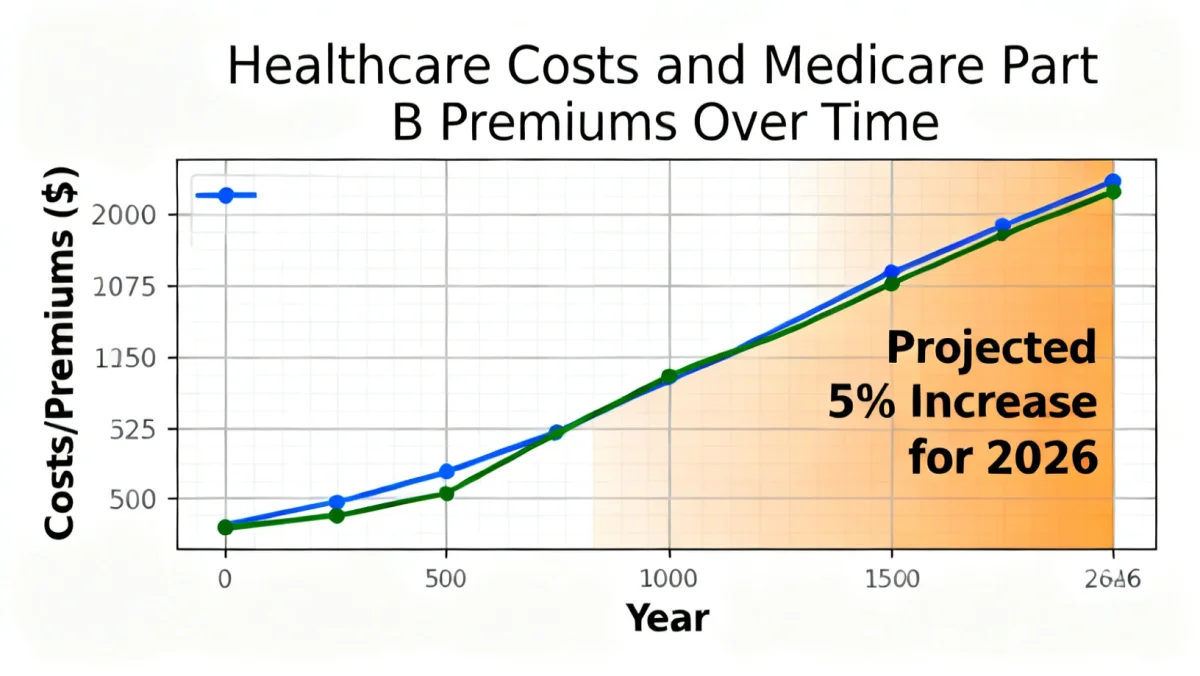
Seniors in the United States need to prepare for potential Medicare Part B 2026 premium adjustments, including a possible 5% increase, directly impacting their monthly healthcare costs and financial planning.
As we look ahead to 2026, understanding the nuances of Medicare Part B 2026 premium adjustments becomes increasingly crucial for millions of seniors across the United States. The prospect of a potential 5% increase in monthly costs raises significant questions about financial planning and access to essential healthcare services. This article aims to demystify these adjustments, offering clarity on what seniors can anticipate and how to best navigate these changes.
Understanding Medicare Part B and its Importance
Medicare Part B is a cornerstone of healthcare coverage for most Americans aged 65 and older, as well as certain younger individuals with disabilities. It covers medically necessary services, including doctor visits, outpatient care, preventive services, and some medical equipment. For many, it represents a vital safety net, ensuring access to a broad spectrum of care that can significantly impact quality of life.
The premiums associated with Part B are typically deducted directly from Social Security benefits, making any adjustment a direct hit to a senior’s disposable income. Therefore, comprehending the factors that influence these premiums is not just an academic exercise; it’s a practical necessity for sound financial management in retirement.
What Medicare Part B Covers
- Doctor and other health care providers’ services
- Outpatient care, including hospital outpatient services
- Home health care (if criteria are met)
- Durable medical equipment (DME)
- Many preventive services to help maintain health and detect issues early
These services are essential for managing chronic conditions, addressing acute health issues, and promoting overall well-being. Without Part B coverage, many seniors would face prohibitive costs for basic medical care, underscoring its indispensable role in the healthcare landscape.
In essence, Medicare Part B provides a critical foundation for health security. Its scope extends beyond just reactive treatment, encompassing proactive measures that can prevent more serious health complications down the line. Staying informed about its structure and potential changes is paramount for beneficiaries.
Factors Driving Premium Adjustments for 2026
The annual adjustments to Medicare Part B premiums are not arbitrary; they are the result of complex calculations influenced by a variety of economic, healthcare, and legislative factors. Several key drivers typically contribute to these changes, and understanding them provides insight into the potential 5% increase projected for 2026.
One primary factor is the overall increase in healthcare spending. As medical advancements continue and the cost of prescription drugs rises, the expenditures borne by the Medicare program naturally grow. These increased costs often translate into higher premiums for beneficiaries to help maintain the program’s solvency.
Inflation and Healthcare Costs
Inflation plays a significant role in the cost of everything, including healthcare. When the general cost of living increases, so does the cost of medical services, supplies, and administrative overhead. This economic pressure is a constant force behind premium adjustments. Additionally, the utilization of healthcare services by beneficiaries can also affect costs; a higher demand for services or more intensive treatments can push expenses upward.
- General economic inflation impacting medical supplies and labor.
- Rising costs of new medical technologies and advanced treatments.
- Increased spending on prescription drugs, particularly specialty medications.
- Higher utilization rates of healthcare services by the aging population.
Furthermore, legislative changes or adjustments in actuarial projections can also play a part. The Social Security Administration’s annual review considers these elements to determine the necessary premium for the upcoming year. The potential 5% increase for 2026 suggests that these underlying cost drivers are expected to continue their upward trajectory, requiring beneficiaries to contribute more.
The Impact of a Potential 5% Increase on Seniors’ Budgets
A 5% increase in Medicare Part B premiums might seem modest on its own, but when added to other rising costs of living, it can significantly strain the budgets of many seniors, particularly those on fixed incomes. For individuals already carefully managing their finances, even a small increase can necessitate difficult choices and adjustments.
Consider the average senior who relies on Social Security as their primary source of income. Social Security benefits often see annual cost-of-living adjustments (COLAs), but these adjustments are frequently offset by rising Medicare premiums. This dynamic can lead to a situation where a COLA is effectively absorbed by the premium hike, leaving beneficiaries with little to no net increase in their monthly take-home pay.
Real-World Financial Implications
The financial ripple effect extends beyond just the premium itself. A higher Part B premium means less money available for other essential expenses such as groceries, utilities, housing, and transportation. For some, it might mean delaying necessary home repairs or cutting back on social activities, impacting their overall quality of life and mental well-being.
- Reduced disposable income for daily necessities.
- Potential for difficult choices between healthcare and other critical expenses.
- Increased financial stress and anxiety for those on fixed incomes.
- Impact on savings intended for emergencies or future needs.
Moreover, the increase can be particularly challenging for beneficiaries who are already paying higher premiums due to the Income-Related Monthly Adjustment Amount (IRMAA). IRMAA means that individuals with higher incomes pay a larger percentage of their Part B costs. A general premium increase would compound this effect, pushing their total monthly outlay even higher. This highlights the importance of proactive financial planning and awareness of these potential changes.
Strategies for Managing Rising Medicare Part B Costs
While the prospect of increasing Medicare Part B premiums can be daunting, seniors are not without options to help manage these rising costs. Proactive planning and exploring available resources can make a significant difference in mitigating the financial impact of a potential 5% increase in 2026.
One of the most immediate steps beneficiaries can take is to review their overall budget and identify areas where adjustments might be possible. This includes scrutinizing discretionary spending and prioritizing essential expenses. Understanding where every dollar goes is the first step toward effective financial management.
Exploring Assistance Programs
Several government programs are designed to assist low-income seniors with their Medicare costs. These programs can provide substantial relief by covering premiums, deductibles, and co-payments. It is crucial for eligible individuals to explore these options and apply if they meet the criteria.
- Medicare Savings Programs (MSPs): These state-run programs can help pay for Part B premiums, and sometimes deductibles and co-insurance, for individuals with limited income and resources.
- Extra Help (Low-Income Subsidy): This program helps pay for Medicare Part D prescription drug plan costs, including premiums, deductibles, and co-payments. While not directly for Part B, it frees up funds that can be used for Part B premiums.
- State Pharmaceutical Assistance Programs: Some states offer additional help with prescription drug costs.
Beyond direct assistance, seniors can also consider strategies related to their healthcare utilization. This includes taking advantage of preventive services covered by Medicare Part B, which can help detect health issues early and potentially avoid more costly treatments down the line. Additionally, discussing generic drug options with their doctor and utilizing telehealth services when appropriate can also contribute to cost savings.
The Role of IRMAA: Income-Related Monthly Adjustment Amount
For many Medicare beneficiaries, the standard Part B premium is a fixed amount. However, for those with higher incomes, an additional amount known as the Income-Related Monthly Adjustment Amount (IRMAA) is added to their Part B premium. This means that wealthy individuals pay a larger share of their Medicare costs, a policy designed to ensure the program remains sustainable.
IRMAA is determined by your modified adjusted gross income (MAGI) from two years prior. So, for 2026 premiums, the Social Security Administration (SSA) will look at your 2024 tax return. This look-back period can sometimes create challenges, especially if your income has significantly decreased since that time due to retirement or other life changes.
Understanding IRMAA Tiers and Appeals
There are several IRMAA income tiers, each corresponding to a different premium surcharge. As your income crosses certain thresholds, your Part B premium (and often your Part D premium) increases incrementally. It’s important to be aware of these thresholds to anticipate potential IRMAA surcharges.
- Income Thresholds: The specific income brackets that trigger IRMAA are updated annually. Exceeding these thresholds results in higher premiums.
- Appealing IRMAA Decisions: If your income has significantly decreased due to a life-changing event (such as retirement, divorce, or death of a spouse) since the tax year used to determine your IRMAA, you may be able to appeal the decision.
- Gathering Documentation: To appeal, you’ll need to provide documentation of the life-changing event and your current income. The SSA will review your case and may adjust your IRMAA.
Navigating IRMAA can be complex, but understanding how it works and knowing your rights to appeal can help manage your Medicare costs effectively. Staying proactive by monitoring your income and understanding the appeal process can prevent unexpected financial burdens. For those nearing retirement, planning income streams to avoid IRMAA thresholds can also be a valuable strategy.
Legislative and Policy Outlook for Medicare in 2026
The trajectory of Medicare Part B premiums is not solely dependent on economic forces; legislative decisions and policy shifts also play a crucial role. As 2026 approaches, discussions in Washington D.C. regarding Medicare’s long-term solvency and benefit structures will undoubtedly influence future premium adjustments and overall program sustainability.
Lawmakers often face the delicate balance of ensuring access to affordable healthcare for seniors while also managing the fiscal health of the Medicare program. This can lead to debates over funding mechanisms, potential reforms, and the scope of covered services. Any significant legislative action could either alleviate or exacerbate the financial burden on beneficiaries.
Potential Policy Directions
Several policy areas could see attention that might impact Medicare Part B premiums. These include efforts to control prescription drug costs, reforms to provider payment models, and initiatives aimed at improving efficiency within the healthcare system. Each of these could have direct or indirect effects on the overall cost of the program.
- Prescription Drug Price Controls: Ongoing legislative efforts to negotiate drug prices could reduce Medicare expenditures, potentially easing pressure on Part B premiums.
- Provider Payment Reforms: Changes in how doctors and hospitals are reimbursed could influence overall healthcare costs.
- Preventive Care Emphasis: Policies promoting preventive care and chronic disease management could lead to better health outcomes and lower long-term costs.
- Medicare Advantage Growth: The continued growth of Medicare Advantage plans could shift some cost burdens and impact the traditional Part B program’s financials.
Furthermore, the broader economic environment and federal budget considerations will always cast a shadow over Medicare policy discussions. As the population ages, the demand for Medicare services will only increase, making these policy choices even more critical. Staying informed about these potential legislative and policy developments can provide seniors with a clearer picture of what to expect.
Preparing for the Future: Tips for Seniors
Given the potential for Medicare Part B premium adjustments in 2026, including a possible 5% increase, proactive preparation is key for seniors. Implementing sound financial planning strategies and staying informed can help mitigate the impact of these changes and ensure continued access to necessary healthcare.
One of the most important steps is to regularly review your Medicare coverage and ensure it still meets your needs. Healthcare requirements can change over time, and what worked last year might not be the best fit for the coming year. This includes understanding your current plan’s benefits, costs, and any potential changes.
Actionable Steps for Financial Preparedness
Beyond reviewing your coverage, several practical steps can be taken to enhance your financial preparedness. These actions can help create a buffer against unexpected cost increases and provide greater peace of mind.
- Budget Review and Adjustment: Regularly assess your monthly budget. Identify areas where you can save or reallocate funds to accommodate potential premium increases.
- Emergency Fund: Maintain an emergency fund specifically for unexpected medical expenses or other financial shocks.
- Stay Informed: Keep abreast of official announcements from Medicare and the Social Security Administration regarding premium changes. Reliable sources are crucial.
- Consult a Financial Advisor: A financial planner specializing in retirement and elder care can offer personalized advice on managing healthcare costs and optimizing your income.
- Explore Supplemental Coverage: Consider Medicare Supplement (Medigap) plans or Medicare Advantage plans that might offer different cost structures and benefits, potentially reducing out-of-pocket expenses for some.
Being prepared means not just reacting to changes but anticipating them. By taking these proactive steps, seniors can face the upcoming Medicare Part B premium adjustments with greater confidence and a clearer understanding of their financial landscape. Knowledge and preparation are powerful tools in navigating the complexities of healthcare costs in retirement.
| Key Point | Brief Description |
|---|---|
| 2026 Premium Outlook | Seniors should expect potential Medicare Part B premium adjustments, possibly a 5% increase, impacting monthly costs. |
| Cost Drivers | Healthcare inflation, rising drug costs, and increased service utilization are key factors behind premium hikes. |
| IRMAA Consideration | Higher-income beneficiaries pay more through IRMAA, compounding the impact of general premium increases. |
| Preparation Steps | Review budgets, explore assistance programs, and consider supplemental options to manage costs effectively. |
Frequently asked questions about Medicare Part B 2026
Medicare Part B covers essential medical services like doctor visits and outpatient care. Premiums are adjusted yearly to account for rising healthcare costs, inflation, and changes in medical utilization, ensuring the program’s financial stability and ability to provide comprehensive coverage.
Medicare Part B premiums are typically deducted directly from Social Security benefits. A 5% increase could reduce your net Social Security payment, potentially offsetting any cost-of-living adjustments (COLAs) and impacting your overall disposable income for other expenses.
IRMAA (Income-Related Monthly Adjustment Amount) is an additional charge for Part B premiums for higher-income beneficiaries. For 2026, your 2024 income will be used to determine if you owe IRMAA, potentially increasing your total monthly premium beyond the standard rate.
Yes, Medicare Savings Programs (MSPs) can help eligible low-income seniors pay their Part B premiums, and sometimes deductibles and co-insurance. The Extra Help program also assists with Part D prescription drug costs, freeing up funds for Part B.
Seniors should review their budgets, explore assistance programs like MSPs, stay informed about official Medicare announcements, and consider consulting a financial advisor. Proactive planning and understanding coverage options are crucial for managing future costs effectively.
Conclusion
The anticipation of Medicare Part B 2026 premium adjustments, particularly the potential for a 5% increase, underscores the need for seniors to remain vigilant and proactive in managing their healthcare finances. While rising costs are a persistent challenge, understanding the factors at play, exploring available assistance programs, and engaging in thoughtful financial planning can significantly alleviate the burden. By staying informed about legislative developments and personal eligibility for support, seniors can navigate these changes with greater confidence, ensuring continued access to the vital healthcare services they depend on for their well-being.