Disability Benefits 2026: Social Security & Vocational Program Updates

The 2026 updates to Social Security Disability Benefits and Vocational Programs in the United States introduce significant changes impacting eligibility, application procedures, and the range of support available for individuals with disabilities, aiming to enhance accessibility and effectiveness.
Navigating the world of disability benefits can often feel like a complex maze, particularly with ongoing changes and updates. As we look towards 2026, understanding the latest modifications to both Social Security Disability Benefits and Vocational Programs is paramount for individuals seeking support. This guide aims to demystify the upcoming changes, providing clarity and actionable insights into how these programs are evolving to better serve the disability community in the United States. Whether you are a current recipient, a potential applicant, or a caregiver, staying informed about these updates is crucial for securing the assistance you need and deserve.
Understanding Social Security Disability Benefits in 2026
The Social Security Administration (SSA) continuously evaluates and adjusts its disability programs to reflect economic realities, medical advancements, and societal needs. For 2026, several key areas within Social Security Disability Insurance (SSDI) and Supplemental Security Income (SSI) are undergoing revisions designed to streamline processes and potentially broaden access for eligible individuals. These changes are not merely administrative; they have tangible impacts on how benefits are calculated, how eligibility is determined, and the overall experience for applicants.
One significant focus for 2026 is the digital transformation of the application process. The SSA is investing heavily in making online applications more user-friendly and efficient, aiming to reduce processing times and decrease the burden on applicants. This includes enhanced online tools for submitting medical evidence and communicating with case workers, which could significantly improve the initial application phase.
Key Changes to Eligibility Criteria
- Medical Listings Updates: The SSA routinely updates its Listing of Impairments (the “Blue Book”) to include new medical conditions and adjust criteria for existing ones, reflecting current medical knowledge. Expect specific updates to neurological disorders and mental health conditions in 2026.
- Work Activity Thresholds: The Substantial Gainful Activity (SGA) limits, which define how much an individual can earn while still being considered disabled, are typically adjusted annually. For 2026, these thresholds are expected to increase, allowing individuals to earn slightly more without jeopardizing their benefits.
- Definition of Disability: While the core definition of disability remains largely consistent – an inability to engage in any substantial gainful activity due to a medically determinable physical or mental impairment that is expected to last for at least 12 months or result in death – there might be subtle clarifications to how the SSA interprets “severe” and “limiting” impairments.
These adjustments to eligibility criteria are designed to ensure that the programs remain relevant and responsive to the evolving landscape of disability and employment. Applicants must be aware of these detailed changes to accurately assess their potential eligibility and prepare their applications accordingly. Staying informed about these specific updates can make a substantial difference in the success of a claim.
Navigating the Application Process: What’s New for 2026
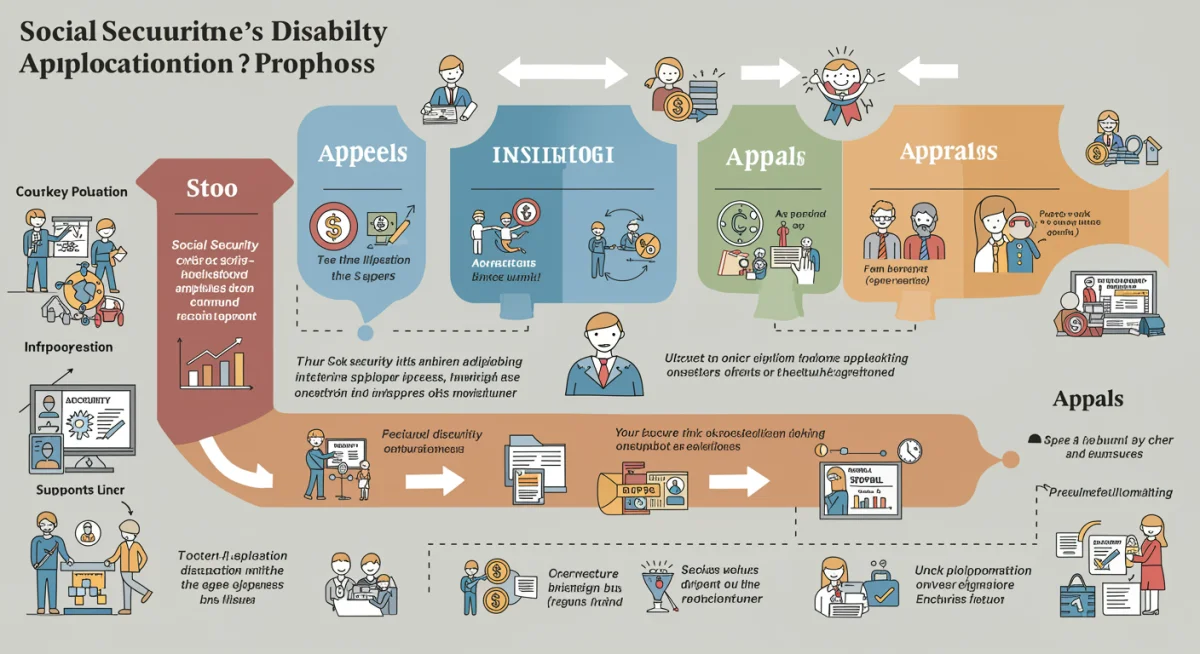
The application process for Social Security disability benefits can be daunting, but 2026 brings some welcome changes aimed at making it more manageable. The SSA is committed to enhancing transparency and providing clearer guidance to applicants at every stage. This includes improvements in communication channels and more accessible resources to help individuals gather the necessary documentation.
A significant development is the increased emphasis on early intervention and support. For those who are initially denied, the appeals process is also seeing modifications. The goal is to reduce the backlog of cases and ensure timely decisions, which is a common concern for many applicants. The SSA is piloting new technologies to expedite the review of medical records, which traditionally accounts for a substantial portion of processing time.
Enhanced Digital Submission and Communication
- Streamlined Online Portal: The SSA’s online application portal is being revamped for 2026 to offer a more intuitive user experience. This includes guided prompts and clearer instructions for uploading documents and providing personal information.
- Secure Document Upload: New secure mechanisms for submitting medical records, lab results, and other supporting documentation electronically will be introduced, reducing reliance on mail and fax.
- Digital Case Tracking: Applicants can expect more robust online tools to track the status of their application in real-time, providing greater transparency than ever before.
These technological advancements are not just about convenience; they are about improving the efficiency and fairness of the system. By reducing administrative hurdles, the SSA hopes to allow applicants to focus more on their health and less on the complexities of the application. Understanding how to leverage these new digital tools will be key to a smoother application experience in 2026.
Vocational Programs 2026: Bridging Disability and Employment
Beyond direct financial support, vocational programs play a critical role in empowering individuals with disabilities to achieve greater independence and participate in the workforce. In 2026, these programs are seeing significant enhancements, driven by a recognition of the diverse talents and contributions individuals with disabilities can offer. The focus is shifting towards personalized support, tailored training, and stronger partnerships with employers.
The goal is to move beyond traditional job placement and towards sustainable career paths. This involves a greater emphasis on skills development that aligns with current market demands, as well as providing ongoing support to ensure long-term success in employment. These programs are often a lifeline, offering not just job skills but also confidence and a renewed sense of purpose.
New Initiatives in Vocational Rehabilitation
- Customized Employment Services: Programs will offer more individualized support, including one-on-one career counseling, job coaching, and assistance with resume building and interview skills, specifically adapted to the individual’s disability and career goals.
- Technology-Enabled Training: Increased access to assistive technologies and specialized software for training and job performance will be a cornerstone of 2026 vocational programs, ensuring individuals can compete in a technologically evolving job market.
- Employer Incentives and Partnerships: New incentives for employers to hire and retain individuals with disabilities, along with expanded partnership programs, aim to create a more inclusive job market.
These new initiatives reflect a broader understanding of the challenges and opportunities in vocational rehabilitation. By focusing on customization, technology, and strong employer engagement, the aim is to create a more effective and impactful system that genuinely helps individuals with disabilities thrive in their chosen careers. These changes are designed to foster long-term career success.
Impact of Legislative Changes on Disability Benefits
Legislative changes are often the driving force behind updates to federal programs, and 2026 is no exception for disability benefits. While specific bills are still being debated and finalized, the overall direction points towards greater support and flexibility for beneficiaries. These legislative efforts aim to address long-standing issues such as the asset limits for SSI and the complexity of work incentives within SSDI.
Advocacy groups have been instrumental in pushing for these changes, highlighting the need for a system that better reflects the realities of living with a disability. The anticipated legislative adjustments are a response to these calls, seeking to remove barriers that prevent individuals from achieving financial stability and independence. Understanding the legislative landscape is key to anticipating future program directions.
Anticipated Policy Adjustments
- SSI Asset Limit Reform: There is significant discussion around increasing or even eliminating the restrictive asset limits for Supplemental Security Income (SSI), which currently prevent many low-income individuals with disabilities from saving for their future.
- Expanded Work Incentives: Legislation may introduce more generous work incentives, making it easier for SSDI beneficiaries to attempt to work without immediately losing their benefits, thus supporting gradual re-entry into the workforce.
- Healthcare Access: While not directly part of Social Security benefits, related legislation may enhance access to healthcare services for individuals with disabilities, which indirectly supports their ability to manage their conditions and participate in vocational programs.
These policy adjustments, once enacted, will have a profound impact on the financial well-being and opportunities available to individuals with disabilities. They represent a move towards a more compassionate and pragmatic approach to disability support, recognizing the inherent value and potential of all citizens. Staying abreast of these legislative developments is crucial for all stakeholders.
Understanding the Role of State Programs and Resources
While federal programs like Social Security Disability are foundational, state-level initiatives and resources play a crucial complementary role in supporting individuals with disabilities. In 2026, many states are expected to enhance their own benefit programs, vocational rehabilitation services, and community support networks. These state-specific resources can fill gaps, provide additional financial aid, and offer localized support tailored to regional needs.
It’s important for individuals to research what is available in their specific state, as eligibility requirements and the scope of services can vary significantly. State programs often work in conjunction with federal ones, providing a more comprehensive safety net and opportunities for skill development and employment. These localized efforts are vital for holistic support.
Key State-Level Initiatives
- Medicaid Expansion and Waivers: Many states continue to expand Medicaid eligibility and offer home and community-based waivers, which provide critical services that enable individuals with disabilities to live independently.
- State Vocational Rehabilitation Agencies: These agencies offer a wide array of services, including evaluation, counseling, training, job placement, and assistive technology, often supplementing federal vocational programs.
- Housing and Transportation Assistance: Several states offer specific programs to assist individuals with disabilities with accessible housing and transportation, addressing two common barriers to independence and employment.
Understanding and accessing these state-level resources can significantly enhance the quality of life and opportunities for individuals with disabilities. It requires proactive research and engagement with local agencies, but the benefits of these integrated support systems can be transformative. Leveraging both federal and state resources creates a much stronger support framework.
Preparing for 2026: Tips for Applicants and Beneficiaries
As these changes unfold, preparation is key for both new applicants and current beneficiaries of disability programs. Staying informed, organizing documentation, and seeking expert advice can significantly improve outcomes. The landscape of disability benefits is dynamic, and proactive engagement ensures you are best positioned to navigate the system effectively and secure the support you need.
For those considering applying, understanding the updated eligibility criteria and application processes will be paramount. For current beneficiaries, being aware of changes to work incentives and reporting requirements is crucial to avoid any disruption in benefits. Early preparation can alleviate stress and lead to more positive results.
Actionable Steps for Proactive Engagement
- Stay Informed: Regularly check the official Social Security Administration website and reputable disability advocacy sites for the latest announcements and detailed explanations of changes.
- Organize Documentation: Keep meticulous records of medical treatments, diagnoses, vocational training, and employment history. Digitalizing these documents can streamline the application and review processes.
- Seek Professional Guidance: Consider consulting with a disability attorney or advocate, especially for complex cases or appeals. Their expertise can be invaluable in navigating the intricacies of the system.
- Engage with Vocational Programs: If able, explore and engage with vocational rehabilitation services early on. These programs can offer support even before a disability claim is fully processed, fostering a path towards employment.
By taking these proactive steps, individuals can effectively prepare for the changes in Disability Benefits 2026: Understanding the Latest Updates to Social Security and Vocational Programs. This preparation will not only aid in a smoother application or continued benefit receipt but also empower individuals to make informed decisions about their future and well-being. It’s about taking control of your journey.
| Key Aspect | 2026 Update Overview |
|---|---|
| Eligibility Criteria | Updated medical listings and increased Substantial Gainful Activity (SGA) limits to reflect current economic and medical understanding. |
| Application Process | Enhanced digital submission tools, secure document upload, and improved online case tracking for greater efficiency. |
| Vocational Programs | Focus on customized employment services, technology-enabled training, and stronger employer partnerships for sustainable careers. |
| Legislative Impact | Anticipated reforms include SSI asset limit adjustments and expanded work incentives to reduce financial barriers. |
Frequently Asked Questions About 2026 Disability Benefits
Key changes for 2026 include updated medical listings, increased Substantial Gainful Activity (SGA) limits, and significant improvements to the digital application process. These aim to streamline claims and enhance access for eligible individuals with disabilities.
The application process will feature a revamped online portal, secure digital document submission mechanisms, and more robust online case tracking tools. These enhancements target greater efficiency and transparency for applicants.
New vocational programs emphasize customized employment services, technology-enabled training, and expanded partnerships with employers. The goal is to foster sustainable career paths and greater workforce inclusion for individuals with disabilities.
Yes, potential legislative reforms include adjustments to SSI asset limits and expanded work incentives. These changes aim to reduce financial barriers and provide more flexibility for beneficiaries seeking to re-enter the workforce.
Prepare by staying informed through official SSA channels, meticulously organizing all medical and employment documentation, and considering professional guidance from disability attorneys or advocates to navigate complex situations efficiently.
Conclusion
The year 2026 marks a significant period of evolution for disability benefits in the United States, with both federal Social Security programs and vocational services undergoing crucial updates. These changes aim to create a more efficient, accessible, and supportive system for individuals with disabilities. By understanding the revised eligibility criteria, leveraging enhanced digital application processes, and engaging with new vocational opportunities, applicants and beneficiaries can navigate these transformations effectively. Staying informed and proactive will be essential in maximizing the benefits and support available, ultimately fostering greater independence and quality of life for the disability community. The commitment to continuous improvement underscores a collective effort to empower individuals with disabilities to thrive in all aspects of life.