2026 Energy Assistance Programs: Save 30% This Winter

Millions of Americans can leverage 2026 Energy Assistance Programs to significantly reduce their winter utility bills, potentially saving up to 30% through various federal, state, and local initiatives designed to provide critical financial relief and improve home energy efficiency.
As winter approaches, the challenge of rising utility costs looms large for many households across the United States. Fortunately, a beacon of hope shines through the various initiatives designed to alleviate this burden. Understanding and utilizing the available 2026 Energy Assistance Programs: Save Up to 30% on Your Utility Bills This Winter can make a substantial difference in your household budget and overall comfort. This comprehensive guide will walk you through the essential details, helping you navigate the landscape of financial aid and energy-saving solutions.
Understanding the Landscape of Energy Assistance in 2026
The year 2026 brings renewed focus and potential adjustments to energy assistance programs, driven by evolving economic conditions and climate considerations. These programs are primarily designed to help low-income households and vulnerable populations manage their heating and cooling costs, preventing utility shut-offs and ensuring safe living conditions. It’s crucial to recognize that energy assistance isn’t a one-size-fits-all solution; rather, it’s a tapestry woven from federal, state, and local initiatives, each with its unique criteria and benefits.
Navigating this landscape requires a proactive approach, as eligibility requirements can vary significantly from one program to another and often depend on factors such as household income, size, and specific energy needs. Understanding the foundational programs and knowing where to start your search are the first steps toward securing much-needed financial relief during the colder months.
Federal Pillars of Support
At the federal level, the Low Income Home Energy Assistance Program (LIHEAP) remains the cornerstone of energy aid. LIHEAP provides funds to states, which then administer the program locally, offering assistance for heating, cooling, and weatherization. The program aims to reduce energy burdens for eligible households, ensuring they can afford essential utilities.
- LIHEAP Funding: States receive annual allocations from the federal government to run their LIHEAP programs.
- Program Flexibility: States have considerable flexibility in how they distribute LIHEAP funds, leading to variations in benefits and eligibility.
- Crisis Assistance: Many LIHEAP programs include provisions for emergency assistance to prevent utility disconnections.
State and Local Complementary Programs
Beyond LIHEAP, many states and local municipalities offer their own energy assistance programs. These can range from direct financial aid to specific utility discounts or energy efficiency upgrades. Often, these programs complement federal aid, providing additional layers of support that address regional specificities and needs. It’s common for local utility companies to also participate, offering their own assistance plans or connecting customers with available resources.
In conclusion, the energy assistance landscape in 2026 is multifaceted, with various programs working in concert to support households. Familiarizing yourself with both federal and local options is key to maximizing your potential savings and ensuring a warm, secure home throughout the winter.
Eligibility Requirements: Do You Qualify for 2026 Energy Aid?
Determining your eligibility for 2026 Energy Assistance Programs is the critical next step after understanding the available options. While specific criteria can vary, most programs share common benchmarks related to income, household size, and residency. It’s essential to gather all necessary documentation to streamline the application process and avoid delays.
Income thresholds are often the primary determinant, usually set as a percentage of the federal poverty level or the state’s median income. However, some programs also consider other factors, such as the presence of elderly individuals, young children, or individuals with disabilities in the household, recognizing their heightened vulnerability to energy cost fluctuations.
Income and Household Size
The most common eligibility criteria revolve around your household’s gross monthly income relative to its size. Federal programs like LIHEAP typically use guidelines based on a percentage of the federal poverty level. For instance, a household might qualify if its income is at or below 150% or 185% of the federal poverty guidelines.
- Federal Poverty Guidelines: These are updated annually and are a key reference for many assistance programs.
- Proof of Income: Be prepared to provide pay stubs, tax returns, or benefit statements.
- Household Composition: The number of individuals residing in your home directly impacts the income threshold.
Residency and Other Factors
In addition to income, most programs require applicants to be legal residents of the state or locality where they are applying. Some programs may also consider the type of housing, whether you own or rent, and if your utilities are included in your rent. Special considerations are often given to households facing energy-related emergencies, such as a pending utility shut-off notice.
To summarize, eligibility for 2026 Energy Assistance Programs is primarily based on income and household size, complemented by residency requirements and sometimes specific vulnerabilities. Thoroughly reviewing the criteria for each program you consider and preparing your documentation in advance will significantly improve your chances of approval.
The Application Process: A Step-by-Step Guide
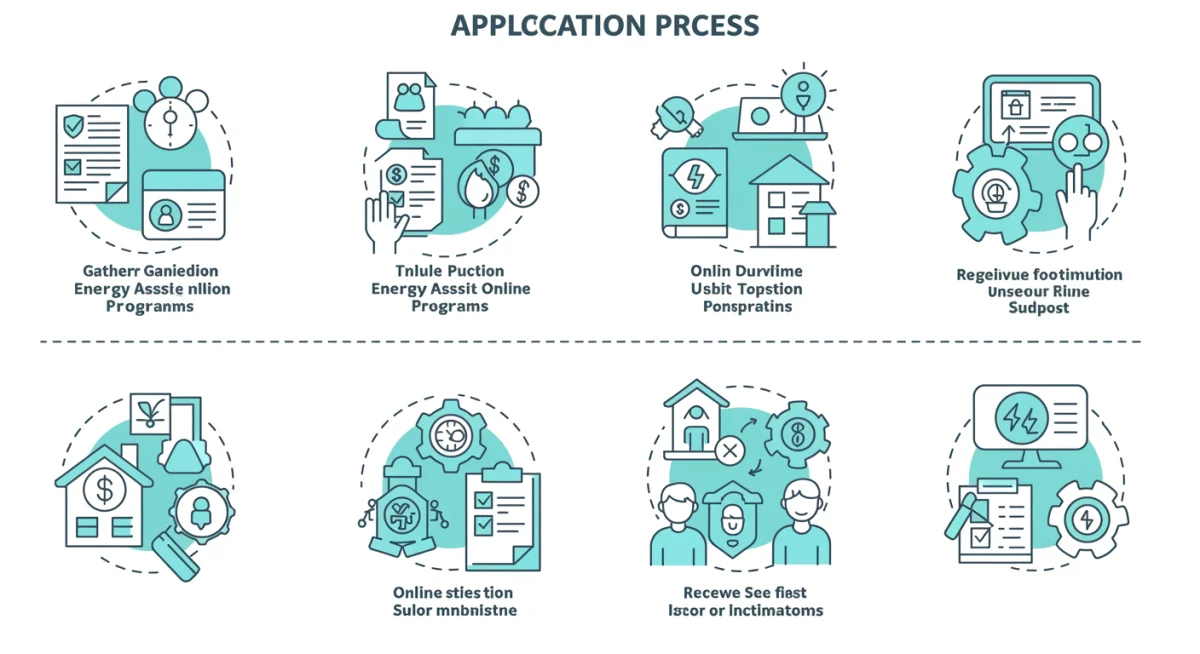
Applying for 2026 Energy Assistance Programs can seem daunting, but with a clear understanding of the process, it becomes manageable. The application typically involves several key stages, from gathering documents to submitting your request and awaiting a decision. Early application is often recommended, especially as winter approaches, due to high demand and potential processing times.
Most states and local agencies offer multiple ways to apply, including online portals, mail-in applications, and in-person assistance at designated centers. Choosing the method that best suits your needs and circumstances can help ensure a smooth experience.
Gathering Your Documents
Before you even begin filling out forms, compiling the necessary documents is paramount. This preparation can significantly speed up your application. Common documents include:
- Proof of Income: Recent pay stubs, Social Security benefit statements, unemployment benefits, or tax returns for all adult household members.
- Proof of Residency: A utility bill, lease agreement, or driver’s license showing your current address.
- Utility Bill Information: A recent copy of your heating and/or electricity bill, showing your account number and service address.
- Identification: Photo ID for the primary applicant.
- Household Members: Documentation for all household members, such as birth certificates or Social Security cards.

Submitting Your Application
Once your documents are in order, you can proceed with submission. Many agencies now offer online application portals, which are often the quickest method. If applying by mail, ensure all copies are clear and legible. For in-person applications, be prepared for potential wait times and bring all original documents, though only copies will be submitted.
After submission, you’ll typically receive a confirmation and an estimated timeline for a decision. It’s advisable to keep a copy of your application and all submitted documents for your records. Following up if you haven’t heard back within the stated timeframe is also a good practice.
In conclusion, a well-prepared and timely application is key to accessing 2026 Energy Assistance Programs. By meticulously gathering your documents and understanding the submission options, you can navigate the process efficiently and increase your chances of receiving aid.
Maximizing Your Savings: Beyond Direct Assistance
While direct financial aid from 2026 Energy Assistance Programs: Save Up to 30% on Your Utility Bills This Winter is invaluable, maximizing your savings involves looking beyond immediate grants. Many programs offer complementary services focused on energy efficiency, which can lead to long-term reductions in your utility expenses. These initiatives aim to address the root causes of high energy bills, making your home more efficient and comfortable.
Understanding and utilizing these additional resources can amplify the impact of any direct aid received, transforming a temporary reprieve into sustainable savings. This holistic approach ensures that you not only get help with current bills but also reduce future energy consumption.
Weatherization Assistance Programs (WAP)
The Weatherization Assistance Program (WAP) is a federal initiative that helps low-income households improve the energy efficiency of their homes. This can include a range of services from insulation upgrades and air sealing to heating and cooling system repairs. WAP services are typically provided at no cost to eligible households and can significantly reduce energy consumption.
- Long-term Savings: WAP can lead to substantial, permanent reductions in energy bills.
- Improved Comfort: A well-weatherized home is more comfortable, reducing drafts and maintaining consistent temperatures.
- Environmental Benefits: Reduced energy consumption also contributes to a smaller carbon footprint.
Utility Company Programs and Rebates
Many local utility companies offer their own assistance programs, rebates, and energy-saving audits. These can include discounted rates for qualifying customers, payment plans, or rebates for purchasing energy-efficient appliances. Contacting your utility provider directly is often the best way to uncover these localized opportunities.
In summary, while direct financial aid is crucial, exploring weatherization programs and utility company initiatives can significantly enhance your long-term energy savings. By combining direct assistance with energy efficiency upgrades, you can achieve a more substantial and lasting reduction in your winter utility bills.
Navigating Challenges and Finding Additional Resources
Even with comprehensive programs, navigating the energy assistance landscape can present challenges. Long processing times, complex application forms, or unexpected eligibility issues can be frustrating. However, a wealth of additional resources and support networks exist to help you overcome these hurdles and ensure you receive the assistance you need.
Remaining persistent and knowing where to turn for help are key strategies. Many non-profit organizations, community action agencies, and government hotlines are specifically designed to guide individuals through the application process and address specific concerns.
Community Action Agencies (CAAs)
Community Action Agencies (CAAs) are local non-profit organizations that serve as a crucial link between federal and state programs and the communities they serve. They often administer LIHEAP and WAP at the local level and can provide personalized assistance with applications, answer questions, and refer you to other beneficial programs. CAAs are a vital resource for on-the-ground support.
Connecting with your local CAA can provide invaluable guidance, especially if you encounter difficulties or need clarification on specific program requirements. They often have a deep understanding of local needs and available resources.
Advocacy Groups and Hotlines
Several national and local advocacy groups are dedicated to assisting consumers with energy-related issues. These organizations often provide information, resources, and sometimes direct advocacy on behalf of individuals facing utility challenges. National hotlines can also offer general guidance and direct you to local resources.
- Consumer Advocates: These groups can help mediate disputes with utility companies or advocate for policy changes.
- Energy Hotlines: Many states operate hotlines specifically for energy assistance inquiries.
- Online Resources: Websites like the National Energy Assistance Directors’ Association (NEADA) offer valuable state-specific information.
In conclusion, don’t let challenges deter you from seeking energy assistance. Leverage the support offered by Community Action Agencies, advocacy groups, and hotlines. These resources are designed to help you navigate the complexities and ensure you access the 2026 Energy Assistance Programs you are entitled to, ultimately saving you money this winter.
Future Outlook: Energy Assistance Beyond 2026
While our immediate focus is on the 2026 Energy Assistance Programs: Save Up to 30% on Your Utility Bills This Winter, it’s also important to consider the long-term trajectory of these vital programs. The landscape of energy assistance is continuously evolving, influenced by technological advancements, climate policy, and economic shifts. Anticipating these changes can help individuals and communities better prepare for future energy needs and opportunities.
Government initiatives are increasingly emphasizing sustainable solutions and renewable energy, suggesting a shift towards programs that not only provide immediate relief but also foster long-term energy independence and environmental stewardship. This forward-looking perspective highlights the importance of staying informed about emerging trends and policies.
Technological Advancements and Smart Home Integration
The integration of smart home technology is poised to play a larger role in energy management and assistance. Programs may increasingly support devices that help households monitor and optimize their energy consumption, leading to greater efficiency and cost savings. Smart thermostats, for instance, can automatically adjust heating and cooling based on occupancy and preferences, reducing waste.
- Smart Thermostats: Potential for inclusion in weatherization or specific utility programs.
- Energy Monitoring Apps: Tools that empower users to track and reduce their energy footprint.
- Renewable Energy Incentives: Growing interest in supporting solar panel installations or other home-based renewable solutions for eligible households.
Policy Shifts and Climate Resilience
Climate change and the push for greater energy resilience are likely to shape future energy assistance policies. Programs may increasingly focus on helping communities adapt to extreme weather events and transition to cleaner energy sources. This could mean more funding for resilient infrastructure and renewable energy adoption in vulnerable areas.
Furthermore, discussions around universal basic utilities or more comprehensive energy affordability frameworks could gain traction, potentially leading to broader and more integrated support systems beyond 2026. Staying engaged with policy developments at both federal and state levels will be crucial for understanding future opportunities.
In conclusion, the future of energy assistance is likely to be characterized by innovation and a broader focus on sustainability. By staying informed about technological advancements and policy shifts, individuals can continue to leverage programs that not only provide financial relief but also contribute to a more energy-efficient and resilient future beyond 2026.
| Key Program | Brief Description |
|---|---|
| LIHEAP | Federal program providing heating, cooling, and weatherization assistance to low-income households. |
| Weatherization Assistance Program (WAP) | Helps eligible households improve home energy efficiency through upgrades like insulation and air sealing. |
| Utility Company Programs | Local utility providers often offer discounted rates, payment plans, and energy efficiency rebates. |
| Community Action Agencies (CAAs) | Local non-profits providing direct application assistance and referrals to various aid programs. |
Frequently Asked Questions About Energy Assistance
LIHEAP, the Low Income Home Energy Assistance Program, is a federal program that helps low-income households with heating and cooling costs, bill payment assistance, and weatherization. Eligibility is typically based on household income falling below a certain percentage of the federal poverty level, often between 150% and 185%, with variations by state.
You can apply for 2026 energy assistance programs through your state’s LIHEAP office, local Community Action Agencies, or directly through your utility company. Most applications require proof of income, residency, and recent utility bills. Online applications are increasingly common, alongside mail-in and in-person options. Early application is always recommended.
In some cases, yes. While direct utility bill assistance is common, some programs recognize that tenants with included utilities still bear the cost indirectly. Eligibility for such situations can vary significantly by state and specific program, so it’s best to consult with your local energy assistance office or Community Action Agency for precise guidance.
The Weatherization Assistance Program (WAP) helps low-income households reduce their energy bills by making their homes more energy-efficient. Services can include sealing air leaks, insulating walls and attics, and repairing or replacing inefficient heating and cooling systems. These improvements are provided free of charge to eligible homeowners and renters, leading to long-term savings.
Savings can vary significantly based on the specific programs you qualify for, your energy consumption, and the energy efficiency of your home. However, combining direct financial aid with weatherization services can lead to substantial reductions, potentially saving eligible households up to 30% or more on their annual utility bills, especially during peak winter months.
Conclusion
Navigating the complexities of energy costs, especially during the harsh winter months, can be a significant burden for many households. However, the array of 2026 Energy Assistance Programs offers a robust safety net, designed to provide crucial financial relief and promote long-term energy efficiency. From federal initiatives like LIHEAP and WAP to localized utility company programs and the invaluable support of Community Action Agencies, resources are available to help you manage your utility bills and ensure a warm, safe home. By understanding eligibility criteria, diligently completing the application process, and exploring all available avenues for assistance and energy-saving upgrades, you can significantly reduce your energy expenses this winter and build a more financially resilient future. Proactive engagement with these programs is not just about saving money; it’s about securing comfort and peace of mind during the coldest season.