2026 Federal Grants: Maximize Your Aid Applications
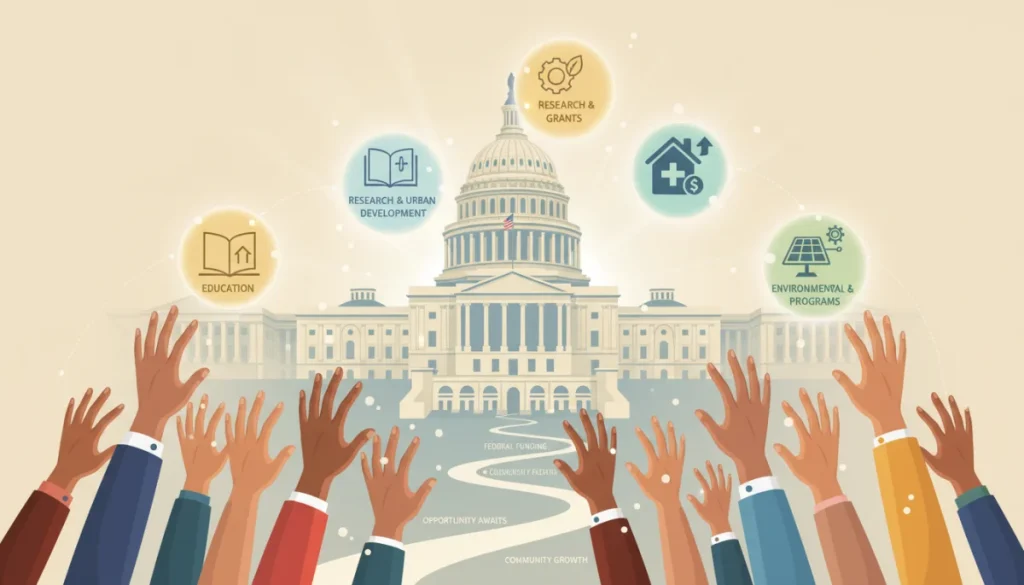
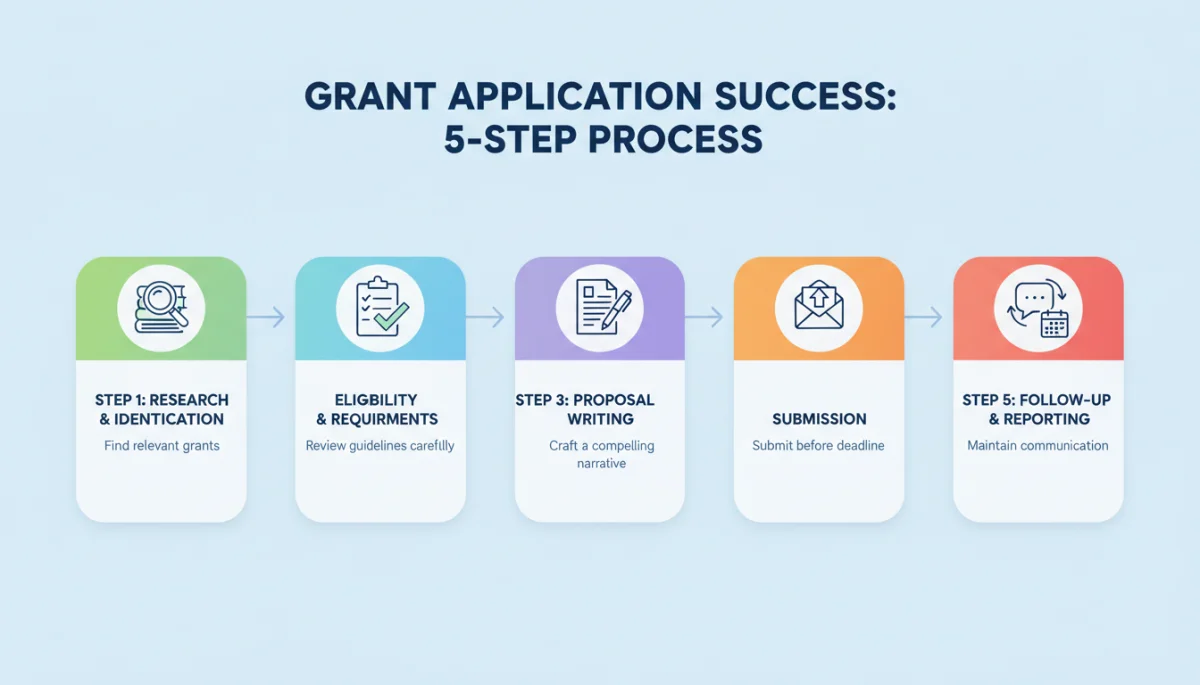
Effectively navigating 2026 federal grant programs requires a strategic 5-step approach to maximize aid applications, ensuring practical solutions for securing vital funding.
Are you ready to unlock essential funding opportunities? Understanding how to navigate the complex landscape of 2026 federal grant programs is crucial for individuals, non-profits, and businesses alike. This comprehensive guide will walk you through a practical 5-step process to significantly enhance your chances of securing the aid you need.
Understanding the 2026 Federal Grant Landscape
The federal grant landscape for 2026 is evolving, reflecting national priorities in areas like infrastructure, climate change, public health, and economic development. These programs offer significant financial assistance, but accessing them requires a clear understanding of the governmental agencies involved and their specific objectives. Staying informed about legislative changes and new initiatives is paramount to identifying relevant opportunities.
Many grants are highly competitive, demanding meticulous preparation and a deep understanding of the application process. It’s not just about finding a grant; it’s about finding the right grant and presenting a compelling case for why your project or organization is the ideal recipient. This initial phase sets the stage for all subsequent steps, emphasizing the need for thorough research and strategic alignment.
Key Shifts in Federal Funding Priorities
- Increased emphasis on climate resilience and green energy projects.
- Continued investment in digital infrastructure and technological innovation.
- Enhanced support for public health initiatives and community well-being.
- Focus on equitable access and opportunities for underserved communities.
Understanding these shifts allows applicants to tailor their proposals to resonate with current federal objectives, significantly increasing their chances of success. The government is looking for projects that not only meet a need but also align with broader national goals and demonstrate a clear public benefit. Therefore, aligning your project with these priorities is a fundamental first step in navigating 2026 federal grant programs successfully.
Step 1: Comprehensive Research and Opportunity Identification
The first critical step in maximizing your aid applications for 2026 federal grant programs is exhaustive research. This involves much more than a quick search; it requires a systematic approach to uncover grants that perfectly align with your needs and capabilities. Begin by exploring official government websites like Grants.gov, which serves as the central hub for federal funding opportunities. Familiarize yourself with advanced search filters to narrow down options by agency, category, and eligibility.
Beyond Grants.gov, delve into specific agency websites. For instance, if your project relates to education, explore the Department of Education’s portal. Health-related initiatives should investigate the National Institutes of Health (NIH) or the Centers for Disease Control and Prevention (CDC). Each agency often has unique programs and specific requirements not always fully detailed on the central portal. This deep dive ensures you don’t miss niche opportunities.
Utilizing Grant Search Tools Effectively
To streamline your research, consider leveraging specialized grant search engines and databases. While Grants.gov is indispensable, other platforms can offer additional filtering options or provide insights into previously awarded grants, which can be valuable for understanding successful project types. Look for tools that allow you to set up alerts for new opportunities based on your keywords and criteria, ensuring you stay updated as new programs are announced throughout 2026.
- Set up email alerts on Grants.gov for relevant funding opportunities.
- Explore specific agency websites for unique programs.
- Review past awardees to understand successful project characteristics.
- Identify key program officers or contacts for potential inquiries.
This proactive research phase not only helps identify potential grants but also provides crucial information about the grantors’ priorities, past funding patterns, and specific application guidelines. A thorough understanding of these elements is a cornerstone for building a competitive application. Remember, the goal is not just to find grants, but to find the *most suitable* grants for your organization or project.
Step 2: Understanding Eligibility and Requirements
Once potential grant opportunities are identified, the next crucial step in navigating 2026 federal grant programs is a meticulous review of eligibility criteria and specific requirements. Many promising projects fail simply because they do not meet a fundamental eligibility clause. This step demands careful attention to detail, as even minor discrepancies can lead to immediate disqualification.
Start by thoroughly reading the Notice of Funding Opportunity (NOFO) or Request for Applications (RFA) documents. These documents are the authoritative source for all grant details, including who can apply (e.g., non-profits, educational institutions, state agencies, individuals), what activities are eligible for funding, and any geographic or demographic restrictions. Pay close attention to definitions of terms used by the granting agency, as they may have specific meanings.
Common Eligibility Pitfalls to Avoid
- Incorrect organizational status or tax-exempt designation.
- Failure to meet specific experience or capacity requirements.
- Proposing activities outside the grant’s stated purpose.
- Missing deadlines for preliminary registrations or letters of intent.
Beyond general eligibility, scrutinize the specific programmatic requirements. Does the grant require matching funds? Are there specific reporting or evaluation mandates? Understanding these obligations upfront allows you to assess your organization’s capacity to comply and integrate these elements into your planning. This proactive approach prevents wasted effort on applications that ultimately won’t succeed due to non-compliance. Verifying every detail ensures your application is built on a solid foundation.
Step 3: Crafting a Compelling Grant Proposal
With eligibility confirmed, the third step is to craft a compelling grant proposal, which is arguably the most intensive part of maximizing your aid applications for 2026 federal grant programs. A strong proposal tells a clear, persuasive story about your project, demonstrating both its need and your capacity to execute it successfully. This isn’t just about filling out forms; it’s about articulating a vision and backing it up with solid evidence and a robust plan.
Begin by developing a detailed project narrative that outlines the problem your project addresses, your proposed solution, and the expected outcomes. Use clear, concise language, avoiding jargon where possible. Quantify needs and projected impacts whenever you can, using data to support your claims. Grant reviewers are looking for projects that are not only innovative but also practical and measurable in their impact.

Key Components of a Winning Proposal
Every federal grant proposal will have specific sections, but generally, you’ll need to address:
- Executive Summary: A concise overview of your entire proposal.
- Problem Statement: Clearly define the issue your project addresses, supported by data.
- Project Goals and Objectives: Specific, measurable, achievable, relevant, and time-bound (SMART) goals.
- Methodology/Work Plan: Detailed steps for how you will achieve your objectives.
- Evaluation Plan: How you will measure success and track progress.
- Budget: A detailed, justified breakdown of all project costs.
- Organizational Capacity: Highlight your team’s experience and resources.
Pay particular attention to the budget section. Every expense must be justified and directly relate to the project activities. Reviewers will scrutinize your budget for realism and alignment with your proposed work plan. Furthermore, ensure your proposal is well-organized, free of grammatical errors, and adheres strictly to all formatting and length requirements specified in the NOFO. A polished, professional presentation reinforces your organization’s credibility and commitment.
Step 4: Strategic Submission and Follow-up
After meticulously crafting your proposal, the fourth step, strategic submission and follow-up, is crucial for maximizing your aid applications for 2026 federal grant programs. Submitting an application is more than just clicking a button; it involves adherence to strict protocols and a readiness to engage post-submission. Missing a deadline or failing to follow submission guidelines can negate all your hard work.
Most federal grants require electronic submission through Grants.gov. Ensure your organization is registered well in advance, as this process can take several weeks. Confirm that all necessary forms are completed accurately and that all attachments are in the correct format. It’s highly recommended to submit your application several days before the deadline to account for any technical issues or unexpected delays. A last-minute rush is a common pitfall.
Post-Submission Best Practices
Once submitted, don’t just wait. While direct inquiries about application status are generally discouraged, there are proactive steps you can take:
- Confirm receipt of your application through Grants.gov or the granting agency’s system.
- Keep a copy of your submitted application and all supporting documents.
- Note down the expected timeline for award announcements.
- Prepare for potential follow-up questions or requests for clarification from reviewers.
Maintaining clear records and being prepared for potential engagement demonstrates professionalism and a commitment to transparency. If your application is successful, understand the award notification process and any subsequent steps required to accept the grant and initiate project activities. If unsuccessful, seek feedback if available. Learning from prior applications is invaluable for future attempts, refining your strategy for the next wave of 2026 federal grant programs.
Step 5: Grant Management and Compliance
The final step, grant management and compliance, is often overlooked but is absolutely vital for long-term success with 2026 federal grant programs. Securing a grant is just the beginning; effective management ensures your project achieves its goals, adheres to federal regulations, and positions your organization favorably for future funding opportunities. Non-compliance can lead to serious repercussions, including clawbacks of funds and disqualification from future grants.
Upon award, carefully review the grant agreement or terms and conditions. This document outlines all your responsibilities, including financial reporting, programmatic reporting, auditing requirements, and any specific deliverables. Establish a robust internal system for tracking all grant-related activities, expenditures, and progress toward objectives. This often involves dedicated staff, specialized software, or both.
Essential Compliance Considerations
- Financial Management: Maintain accurate records of all expenditures, ensuring they align with the approved budget.
- Reporting: Submit all required programmatic and financial reports on time and with complete accuracy.
- Audits: Be prepared for potential federal audits and maintain all documentation in an organized manner.
- Procurement: Follow federal procurement standards for purchasing goods and services with grant funds.
- Record Keeping: Retain all grant-related documents for the specified period, usually several years after the grant closes.
Proactive and transparent grant management builds trust with federal agencies. It demonstrates your organization’s capacity not only to implement projects but also to be a responsible steward of taxpayer dollars. Successful management of current grants is often a key factor in securing additional funding in the future, creating a positive track record that can open doors to more significant opportunities within 2026 federal grant programs and beyond. This continuous cycle of responsible management is essential for sustained success.
| Key Point | Brief Description |
|---|---|
| Research Opportunities | Thoroughly explore Grants.gov and agency sites to find aligned federal grant programs for 2026. |
| Verify Eligibility | Carefully review all NOFO/RFA criteria to ensure your project and organization meet requirements. |
| Write Strong Proposals | Develop a clear, data-backed narrative with SMART goals and a justified budget for your application. |
| Manage & Comply | Implement robust systems for financial tracking, reporting, and adherence to all federal regulations post-award. |
Frequently Asked Questions About 2026 Federal Grant Programs
The primary source is Grants.gov, the central database for all federal funding opportunities. Additionally, specific federal agency websites like those for NIH, DOE, or HUD often list specialized programs and detailed application guidance.
Ensure your organization has proper legal and tax-exempt status, aligns its mission with federal priorities, and builds a strong track record of project success and financial accountability. Networking with agencies can also provide insights into future program directions.
Common reasons include failing to meet eligibility criteria, submitting incomplete applications, not adhering to formatting guidelines, or submitting a proposal that doesn’t clearly articulate the project’s need, methodology, or measurable impact.
While most federal grants are awarded to organizations, some programs, particularly for research, education, or artistic endeavors, may offer opportunities for individuals. Always check the specific NOFO for individual eligibility requirements.
After submission, applications undergo a rigorous review process by agency staff and/or external experts. Applicants are typically notified of the decision within several months, with awardees receiving an official grant agreement outlining terms and conditions.
Conclusion
Successfully navigating 2026 federal grant programs is a challenging yet rewarding endeavor that can provide crucial funding for impactful projects. By diligently following this 5-step guide—from comprehensive research and understanding eligibility to crafting compelling proposals, strategic submission, and meticulous compliance—organizations and individuals can significantly enhance their chances of securing federal aid. A proactive, detail-oriented approach is key to transforming potential opportunities into tangible support, driving progress and achieving critical objectives across various sectors nationwide.