LIHEAP Winter 2026: Apply for Up to $1,000 Heating Bill Support

The Low Income Home Energy Assistance Program (LIHEAP) offers vital financial aid for heating costs, providing eligible households in the United States up to $1,000 in support for Winter 2026.
As winter approaches, many households across the United States begin to worry about the rising cost of heating their homes. Fortunately, programs like the Low Income Home Energy Assistance Program (LIHEAP) for Winter 2026 exist to provide crucial financial relief. This guide will walk you through everything you need to know about applying for up to $1,000 in heating bill support, ensuring you and your family stay warm and safe.
Understanding LIHEAP: Your Winter Lifeline
The Low Income Home Energy Assistance Program (LIHEAP) is a federally funded initiative designed to help low-income households manage their home energy bills. It’s not just about keeping the lights on; it’s about preventing energy crises, assisting with heating and cooling costs, and making energy more affordable. For Winter 2026, LIHEAP continues to be a vital resource for millions of Americans facing financial strain due to energy expenses.
This program plays a critical role in public health and safety, especially for vulnerable populations such as the elderly, people with disabilities, and families with young children. Without LIHEAP, many would be forced to choose between heating their homes and other necessities like food or medicine. The assistance can come in various forms, including direct payments to utility companies, energy crisis intervention, and even weatherization services to improve home energy efficiency.
What LIHEAP Covers
LIHEAP assistance primarily targets heating and cooling costs, but its scope can extend to other energy-related needs depending on the state and specific program offerings. Understanding what the program covers is the first step toward utilizing its benefits effectively.
- Heating Assistance: This is the most common form of LIHEAP aid, helping households pay for fuel sources like natural gas, electricity, propane, wood, or oil.
- Cooling Assistance: In warmer climates or during extreme heatwaves, LIHEAP can also provide support for air conditioning costs.
- Energy Crisis Assistance: For households facing immediate disconnection or having run out of fuel, LIHEAP offers emergency aid to prevent life-threatening situations.
- Weatherization and Energy-Related Home Repairs: Some LIHEAP funds are allocated to making homes more energy-efficient, reducing future energy bills.
The specific types of assistance and the maximum benefit amounts, which can reach up to $1,000 or more in some areas, are determined by individual states and local agencies. These variations underscore the importance of contacting your local LIHEAP office for precise information.
Eligibility Requirements for Winter 2026
To qualify for LIHEAP for Winter 2026, applicants must meet specific income guidelines and other criteria established by both federal and state regulations. These requirements are designed to target assistance to those most in need, ensuring the program’s resources are effectively distributed.
Generally, eligibility is based on household income relative to the federal poverty level or state median income. It’s important to remember that while there are federal guidelines, states have the flexibility to set their own income thresholds, which may be slightly higher or lower depending on the cost of living in that area.
Key Eligibility Criteria
While specific criteria can vary, several common factors determine eligibility across most states. Understanding these can help you prepare your application and assess your likelihood of approval.
- Income Level: Your household’s gross income must typically be at or below 150% of the federal poverty guidelines or 60% of the state median income, whichever is higher. These figures are updated annually.
- Household Size: The number of people living in your household impacts the income threshold. Larger households generally have higher income limits.
- Energy Burden: Some states consider your energy burden, meaning the percentage of your household income spent on energy costs. Households with a high energy burden may receive priority.
- Residency: You must be a legal resident of the state where you are applying.
- Responsibility for Energy Bills: You must be responsible for paying your household’s heating costs, either directly to a utility company or as part of your rent.
It’s crucial to verify the exact income limits and other requirements for your specific state and county, as these details are subject to change. Your local LIHEAP office or social services department is the best resource for the most current information.
Gathering Required Documents for Application
A successful LIHEAP application hinges on providing accurate and complete documentation. Before you even start filling out forms, it’s wise to gather all necessary papers. This proactive approach can significantly speed up the application process and reduce potential delays. Missing documents are a common reason for application rejection or prolonged processing times.
The exact list of documents may vary slightly by state or local agency, but there is a core set of materials almost universally required. Having these ready will save you time and stress, ensuring your application is reviewed promptly for Winter 2026 assistance.
Essential Document Checklist
Preparing a comprehensive packet of documents before applying is highly recommended. This checklist covers the most frequently requested items:
- Proof of Income: This includes pay stubs (for the most recent 30 days), Social Security benefit letters, unemployment compensation statements, pension statements, or any other documentation showing all household income.
- Proof of Residency: A utility bill, lease agreement, or driver’s license showing your current address.
- Household Member Information: Names, dates of birth, and Social Security numbers for all individuals living in your household.
- Utility Bills: Copies of your most recent heating and/or electric bills, regardless of whether they are current or past due. This helps prove your responsibility for energy costs.
- Identification: A valid photo ID for the primary applicant.
- Rental Agreement (if applicable): If your heating costs are included in your rent, a copy of your lease agreement stating this.
Remember to make copies of all documents submitted and keep the originals for your records. Some agencies may also require additional forms or specific types of documentation, so always check with your local LIHEAP office first.
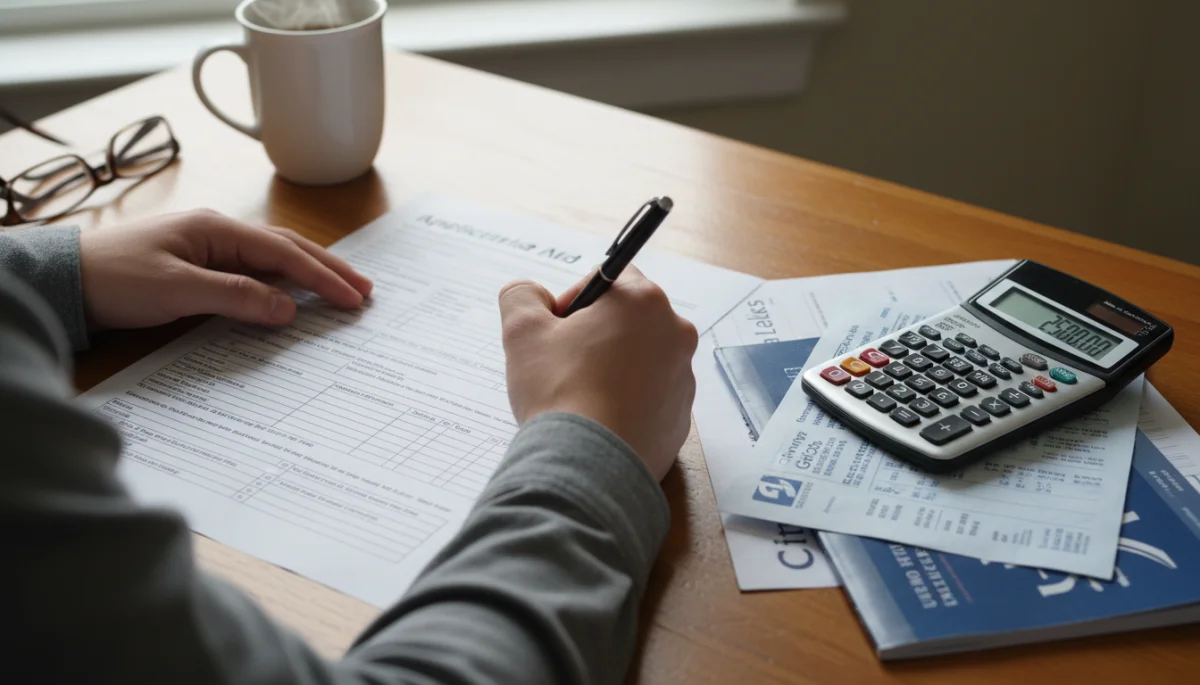

Step-by-Step Application Process for 2026
Navigating the application process for LIHEAP can seem daunting, but breaking it down into manageable steps makes it much easier. For Winter 2026, the general application procedure remains consistent across most states, though specific forms and submission methods may differ. Following these steps carefully will help ensure a smooth and successful application.
It’s advisable to start the process early, as demand for LIHEAP assistance can be high, especially as colder weather approaches. Early application can help you avoid potential delays and ensure you receive support when you need it most.
How to Submit Your Application
The application process typically involves several key stages, from locating your local agency to submitting the final paperwork. Each step is crucial for a complete and timely submission.
- Locate Your Local LIHEAP Agency: The first step is to find the agency responsible for administering LIHEAP in your state or county. This can usually be done through your state’s Department of Social Services website, by calling 211, or by searching online for “LIHEAP [Your State/County]”.
- Obtain the Application Form: Once you locate your agency, you can typically download the application form from their website, request it by mail, or pick one up in person.
- Complete the Application Accurately: Fill out all sections of the application form completely and accurately. Provide honest information about your household income, size, and energy needs.
- Attach All Required Documents: Double-check that you have included all the necessary supporting documents as outlined in the previous section. Incomplete applications are often delayed or rejected.
- Submit Your Application: Applications can usually be submitted online, by mail, or in person. Follow the specific instructions provided by your local agency. Keep a copy of your submitted application and any proof of submission.
- Follow Up: After submission, it’s a good idea to follow up with the agency within a few weeks to confirm receipt and inquire about the status of your application.
Many agencies offer assistance with filling out applications, especially for those who may have difficulty with paperwork or language barriers. Don’t hesitate to ask for help if you need it.
Maximizing Your LIHEAP Benefits: Tips and Strategies
While LIHEAP provides essential support, there are ways to maximize your benefits and ensure you’re getting the most out of the program. Beyond just applying, understanding additional resources and energy-saving practices can further reduce your winter heating burden. These strategies can complement the financial aid received, leading to greater comfort and stability.
Being proactive about energy management and knowing where to find extra help can make a significant difference in your overall energy costs throughout the colder months. It’s about combining financial assistance with smart habits for long-term savings.
Beyond the Initial Grant
Receiving LIHEAP assistance is a great start, but consider these additional tips to stretch your energy dollars further:
- Apply Early: As mentioned, applying early can ensure you receive funds before the peak winter demand, preventing potential service interruptions.
- Explore Weatherization Programs: Many states offer weatherization assistance programs (WAP) that provide free home energy audits and improvements like insulation, weather-stripping, and furnace repairs. These programs significantly reduce energy consumption.
- Budget Billing Plans: Contact your utility company about budget billing plans, which average out your energy costs over the year, avoiding high spikes during winter.
- Energy Crisis Assistance: If you face an immediate energy emergency, such as a disconnection notice, inquire about LIHEAP’s energy crisis components, which provide faster, targeted aid.
- Stay Informed: Keep abreast of any changes in LIHEAP regulations or additional state-specific programs. Subscribe to newsletters from local community action agencies or social services departments.
Combining LIHEAP funds with energy-saving habits and other available programs can drastically reduce your heating bills, making your home more affordable and comfortable during Winter 2026.
Important Dates and Deadlines for Winter 2026
Staying informed about key dates and deadlines is crucial for anyone planning to apply for LIHEAP assistance for Winter 2026. These timelines can vary significantly by state and even by the type of assistance requested. Missing a deadline could mean missing out on vital financial support, so it’s essential to mark your calendar and plan accordingly.
While federal funding is allocated annually, states often operate on their own fiscal calendars and may open and close application periods based on fund availability and local demand. Therefore, being proactive and checking your state’s specific schedule is paramount.
Navigating State-Specific Timelines
Because LIHEAP is administered at the state level, there isn’t a single national application window. Here’s what you need to know about navigating these varied timelines:
- Application Opening Dates: Most states begin accepting applications for heating assistance in the fall (typically October or November) as the weather starts to cool. However, some may open earlier.
- Application Closing Dates: Deadlines can range from late winter to early spring, or until funds are exhausted. It’s common for programs to close once all allocated money has been distributed, making early application even more critical.
- Emergency Assistance: Applications for energy crisis assistance might have different, often more flexible, timelines to address immediate needs. However, even for emergency aid, funds are limited.
- Cooling Assistance: If your state offers cooling assistance, those application periods typically open in late spring or early summer.
- Contact Your Local Agency: The most reliable way to get accurate dates for your area is to contact your state or local LIHEAP office directly. Their websites often publish detailed schedules and updates.
Proactively checking these dates and submitting your application well before any stated deadlines will significantly increase your chances of receiving timely assistance. Don’t wait until the last minute; plan ahead for Winter 2026.
Additional Resources and Support
Beyond LIHEAP, a wealth of additional resources and support programs exist to help individuals and families manage energy costs and other essential needs. Exploring these options can provide a comprehensive safety net, ensuring stability and well-being, especially during challenging economic times or harsh weather conditions.
Many of these programs are community-based or state-funded, offering localized solutions tailored to specific needs. Understanding the broader landscape of available aid can empower you to access all the support you’re eligible for, creating a more secure future.
Expanding Your Support Network
Don’t limit your search for assistance to just one program. Here are other avenues to explore:
- Utility Company Programs: Many utility providers offer their own assistance programs, payment arrangements, or discounts for low-income customers. Contact your electric, gas, or oil company directly to inquire about these options.
- Non-Profit Organizations: Local charities, churches, and community action agencies often have emergency funds or referral services for energy assistance, food, and housing. Organizations like the Salvation Army, Catholic Charities, and United Way are great starting points.
- State and Local Welfare Programs: Your state’s Department of Social Services or Human Services may offer other forms of financial aid, food stamps (SNAP), or temporary assistance for needy families (TANF) that can indirectly free up funds for energy bills.
- Energy Efficiency Programs: In addition to LIHEAP’s weatherization component, many states and utilities offer free or low-cost energy audits and upgrades to improve home efficiency, leading to long-term savings.
- Crisis Hotlines: For immediate crises, hotlines like 211 (a national information and referral service) can connect you with local resources quickly.
By leveraging a combination of LIHEAP and these supplementary resources, you can build a stronger financial foundation, effectively manage your energy bills, and ensure your household remains safe and comfortable through Winter 2026 and beyond.
| Key Point | Brief Description |
|---|---|
| Program Overview | LIHEAP helps low-income households with heating and cooling costs, preventing energy crises. |
| Eligibility | Based on household income (150% federal poverty or 60% state median) and residency. |
| Application Process | Locate local agency, gather documents (income, ID, bills), complete forms, and submit early. |
| Maximizing Benefits | Combine LIHEAP with weatherization, budget billing, and other local assistance programs. |
Frequently Asked Questions About LIHEAP
The maximum amount varies by state and individual household circumstances. While some households may receive up to $1,000 or more, the exact benefit depends on factors like income, household size, energy costs, and state-specific funding levels. Contact your local LIHEAP office for precise figures.
Yes, in many cases, you can still apply for LIHEAP even if your heating costs are part of your rent. You will typically need to provide a copy of your lease agreement clearly stating that heating is included and that you are responsible for a portion of the energy costs.
Processing times for LIHEAP applications vary. It can take anywhere from a few weeks to several months, depending on the volume of applications, the completeness of your submission, and your state’s processing speed. Applying early is highly recommended to avoid delays.
LIHEAP includes an energy crisis assistance component for households facing immediate threats like disconnection or fuel shortages. If you are in an emergency, contact your local LIHEAP agency immediately and inform them of your urgent situation; they may be able to expedite your application.
Absolutely. Many utility companies offer their own assistance programs, budget billing options, or discounts. Additionally, non-profit organizations, community action agencies, and state welfare programs may provide supplementary aid or referrals. Always explore all available resources.
Conclusion
Securing energy assistance through programs like LIHEAP is a critical step for many households in ensuring warmth and safety during the cold months of Winter 2026. By understanding eligibility, diligently gathering documents, and applying proactively, you can access the support needed to manage heating costs. Remember to explore all available resources, from utility company programs to local non-profits, to build a comprehensive strategy for energy affordability. Staying informed and acting early are your best defenses against the winter chill and rising energy bills.