Scholarships for Nontraditional Students 2026: Funding Beyond High School

Nontraditional students in 2026 can find significant financial aid through dedicated scholarships, many of which cater to unique life circumstances beyond the typical high school graduate, providing crucial funding for diverse educational paths.
Navigating the path to higher education can be particularly challenging for individuals who don’t fit the mold of a recent high school graduate. For these nontraditional student scholarships in 2026, finding the right financial aid is often the key to unlocking their academic dreams. This article delves into the landscape of funding opportunities specifically designed for adult learners, veterans, parents, and others pursuing education later in life, highlighting 10 new programs available next year.
Understanding the nontraditional student landscape
The term “nontraditional student” encompasses a wide array of individuals, each bringing unique experiences and perspectives to the classroom. This demographic often includes students over the age of 24, those who have delayed enrollment, attend part-time, are financially independent, have dependents, are single parents, or are veterans. Their journeys are rich with life experience, but they also face distinct financial hurdles that traditional scholarships rarely address.
Many nontraditional students balance work, family responsibilities, and academic pursuits, making financial support even more critical. The traditional image of a college student fresh out of high school, living on campus, simply doesn’t apply to this growing segment of the student population. Recognizing this diversity, many institutions and organizations are now creating tailored scholarship programs.
Defining the diverse profiles
Nontraditional students are not a monolithic group. Their diversity is their strength, but it also means that scholarship searches must be highly targeted. Understanding these profiles helps pinpoint relevant funding.
- Adult Learners: Individuals returning to school after a significant break, often seeking career changes or skill enhancement.
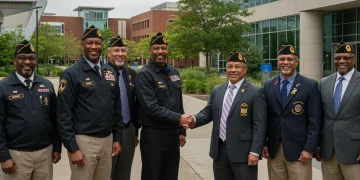
- Veterans: Those who have served in the military, often transitioning to civilian life and higher education.
- Parents/Caregivers: Students balancing academic demands with the responsibilities of raising children or caring for family members.
- First-Generation College Students: Individuals whose parents did not complete a four-year college degree, regardless of age.
The conclusion for this section is that the evolving definition of a student means that financial aid must also evolve. Recognizing the unique needs and contributions of nontraditional students is the first step toward connecting them with the resources they deserve, ensuring their educational aspirations are not hindered by financial constraints.
Navigating the scholarship search for adult learners
Searching for scholarships as an adult learner can feel daunting, primarily because many general scholarship databases are geared towards high school seniors. However, a strategic approach can yield significant results. It requires focusing on specific criteria that align with the nontraditional student profile rather than broad academic achievements from years past.
Begin by identifying what makes you a nontraditional student. Is it your age, your veteran status, your family responsibilities, or a combination of factors? Each of these attributes can open doors to specialized funding opportunities. Leverage your unique life experiences and skills as assets, not obstacles, in your applications.
Key strategies for effective searching
An effective scholarship search for nontraditional students involves several tailored strategies. It’s about looking beyond the obvious and tapping into niche resources.
- Professional Organizations: Many professional associations offer scholarships to members or those pursuing careers in their field, often without age restrictions.
- Community and Local Foundations: Local organizations frequently support residents of their area, and these scholarships are often less competitive.
- Employer Tuition Assistance: Check if your current or previous employer offers tuition reimbursement or scholarships for continuing education.
- University-Specific Programs: Many colleges and universities have dedicated funds for their nontraditional student populations.
This section concludes by emphasizing that persistence and a targeted approach are crucial. Nontraditional students should view their unique backgrounds as advantages, actively seeking out scholarships that value life experience and diverse academic paths rather than solely focusing on traditional metrics.
10 new scholarships for nontraditional students in 2026
The academic year 2026 brings a wave of new financial aid opportunities specifically designed to support nontraditional students. These programs acknowledge the diverse needs and significant contributions of adult learners, veterans, and parents. We’ve identified 10 promising new scholarships, each with unique eligibility criteria, reflecting a growing recognition of this vital student demographic.
These new scholarships often focus on specific fields of study, demographic groups, or demonstrate a commitment to supporting students who have overcome significant life challenges. It is essential to review each program’s requirements carefully, as some may have very precise criteria regarding residency, academic history, or financial need.
Spotlight on new funding opportunities
Here are 10 new scholarship programs emerging for nontraditional students in 2026, offering diverse avenues for financial support:
- The Resilient Learner Grant: Targeting students over 30 returning to higher education after a five-year break, with a focus on STEM fields.
- Veteran Family Education Fund: Provides support for spouses and children of post-9/11 veterans pursuing any undergraduate degree.
- Parent Scholar Initiative: Specifically for single parents enrolled in part-time or full-time associate’s or bachelor’s programs.
- Community Impact Scholarship: For students demonstrating significant volunteer work or community leadership, regardless of age.
- Digital Skills Re-entry Award: Aims to fund training or degree programs in high-demand digital skills for individuals re-entering the workforce.
- The Second Act Scholarship: Supports individuals aged 45 and older embarking on a new career path through education.
- Rural Revitalization Grant: For nontraditional students from rural areas pursuing degrees that benefit their local communities.
- Educator Transition Scholarship: Designed for professionals transitioning into teaching careers, especially in high-need subjects.
- Healthcare Career Advancement Fund: Supports existing healthcare professionals seeking further education to advance their careers.
- The Global Citizen Scholarship: For nontraditional students pursuing international studies or programs with a strong global focus.

This section concludes by highlighting the expansion of opportunities for nontraditional students. These 10 new programs underscore a positive trend towards more inclusive financial aid, offering tailored support for a variety of unique life situations and academic goals in 2026.
Crafting a compelling scholarship application
A strong scholarship application for nontraditional students goes beyond academic transcripts; it tells a story. Your life experiences, professional background, and personal journey are powerful assets that can differentiate your application from others. Emphasize how these experiences have shaped your educational goals and prepared you for academic success.
Many scholarship committees for nontraditional students are looking for resilience, determination, and a clear vision for the future. Don’t shy away from discussing challenges you’ve overcome or the unique perspectives you bring to your chosen field. Authenticity and a well-articulated narrative are key.
Tips for a standout application
To ensure your application truly shines, consider these essential tips. They focus on leveraging your unique position as a nontraditional student.
- Personal Statement Focus: Tailor your essay to highlight how your life experiences directly relate to your academic and career aspirations.
- Letters of Recommendation: Choose recommenders who can speak to your work ethic, maturity, and commitment, whether from previous employers, community leaders, or mentors.
- Showcase Transferable Skills: Detail how skills gained from work, parenting, or military service are applicable to your studies.
- Address Financial Need: Clearly and concisely explain your financial situation and why the scholarship is crucial for your educational journey.
In conclusion, a compelling application for nontraditional students is one that thoughtfully integrates personal narrative with academic ambition. By effectively communicating their unique strengths and genuine need, applicants can significantly increase their chances of securing vital funding for their education.
Resources and support systems for nontraditional learners
Beyond scholarships, nontraditional students benefit greatly from a network of resources and support systems designed to address their specific needs. These can range from academic advising tailored to adult learners to childcare services and flexible course scheduling. Identifying and utilizing these resources can be just as crucial as securing financial aid.
Many universities and community colleges have dedicated offices or programs for nontraditional students, offering guidance on everything from enrollment to career planning. Online communities and forums also provide invaluable peer support, allowing students to share experiences and advice.
Leveraging available support
Accessing the right support can make a significant difference in a nontraditional student’s success. These resources are designed to smooth the path for those balancing multiple commitments.
- Academic Advising: Seek advisors experienced in guiding adult learners through program selection, course loads, and credit transfers.
- Career Services: Utilize career centers that understand the unique job market challenges and opportunities for students re-entering or changing careers.
- On-Campus Childcare: Investigate universities that offer affordable or subsidized childcare options, crucial for student parents.
- Flexible Learning Options: Prioritize institutions with robust online programs, evening classes, or hybrid formats to accommodate work and family schedules.
To conclude, a holistic approach to student success for nontraditional learners involves not only financial aid but also robust support systems. By actively engaging with these resources, students can navigate their academic journeys more effectively, ensuring their success beyond high school.
Maximizing your chances for scholarships in 2026
Securing scholarships for nontraditional students in 2026 requires more than just applying; it demands a strategic, organized, and persistent effort. Begin by creating a master list of all potential scholarships, noting deadlines, eligibility criteria, and required documents. This organization will prevent missed opportunities and reduce stress.
Furthermore, consider applying for a mix of larger, more competitive scholarships and smaller, niche-specific awards. While the larger ones offer substantial funds, the smaller ones often have fewer applicants, increasing your odds of success. Every dollar counts, and a combination of awards can significantly offset educational costs.
Strategic application practices
To truly maximize your scholarship potential, adopt these proactive strategies throughout your application process. They are designed to enhance your visibility and impact.
- Start Early: Give yourself ample time to gather documents, write essays, and request recommendations without rushing.
- Proofread Meticulously: Errors in grammar or spelling can detract from even the strongest application. Have others review your work.
- Follow Instructions Precisely: Adhering to all guidelines demonstrates attention to detail and respect for the committee’s time.
- Reapply if Eligible: If you don’t receive an award, don’t be discouraged. Many scholarships are annual, and you can often reapply with an improved application.
This section concludes by emphasizing that maximizing scholarship chances for nontraditional students involves a blend of meticulous organization, strategic application, and unwavering persistence. By treating the scholarship search as a focused project, adult learners can significantly enhance their prospects for funding in 2026.
| Key Point | Brief Description |
|---|---|
| Diverse Student Needs | Nontraditional students have unique financial and support needs often overlooked by traditional aid. |
| Targeted Search | Focus on scholarships for adults, veterans, and parents to find relevant funding. |
| New 2026 Programs | 10 new scholarships are available, catering to specific nontraditional profiles and fields. |
| Compelling Applications | Leverage life experiences and strong narratives to create standout scholarship essays. |
Frequently asked questions about nontraditional student scholarships
A nontraditional student is typically someone who doesn’t fit the mold of a recent high school graduate. This often includes individuals over 24, those with dependents, single parents, veterans, or students who have delayed enrollment or attend part-time. Each scholarship may have its own specific definition.
Yes, many organizations and universities offer scholarships exclusively for adult learners. These often consider factors like age, time since last enrollment, and career goals. Programs like the “Resilient Learner Grant” mentioned in this article are specifically designed for this demographic.
Veterans should explore scholarships offered by military-affiliated organizations, veteran support groups, and federal programs like the GI Bill. Many universities also have dedicated veteran-specific funds. The “Veteran Family Education Fund” is a new example for 2026 that extends support to family members.
Yes, many scholarships for nontraditional students are designed to accommodate part-time enrollment, recognizing that adult learners often balance studies with work and family. Always check the specific eligibility criteria, as some programs may require a minimum number of credits.
For nontraditional students, the personal statement is often the most critical component. It provides an opportunity to articulate your unique life experiences, demonstrate your commitment to education, and explain how the scholarship will help you achieve your goals, making your application stand out.
Conclusion
The landscape of education finance in 2026 is becoming increasingly inclusive, with a growing number of scholarships specifically tailored for nontraditional students. From adult learners re-entering the classroom to veterans and parents balancing multiple responsibilities, these funding opportunities are vital for achieving academic and career aspirations. By understanding their unique profile, conducting a targeted search, and crafting compelling applications, nontraditional students can successfully navigate the financial aid process and secure the support needed to thrive in their educational journeys beyond high school.