2026 Program Review: Federal Food Assistance Options Analyzed
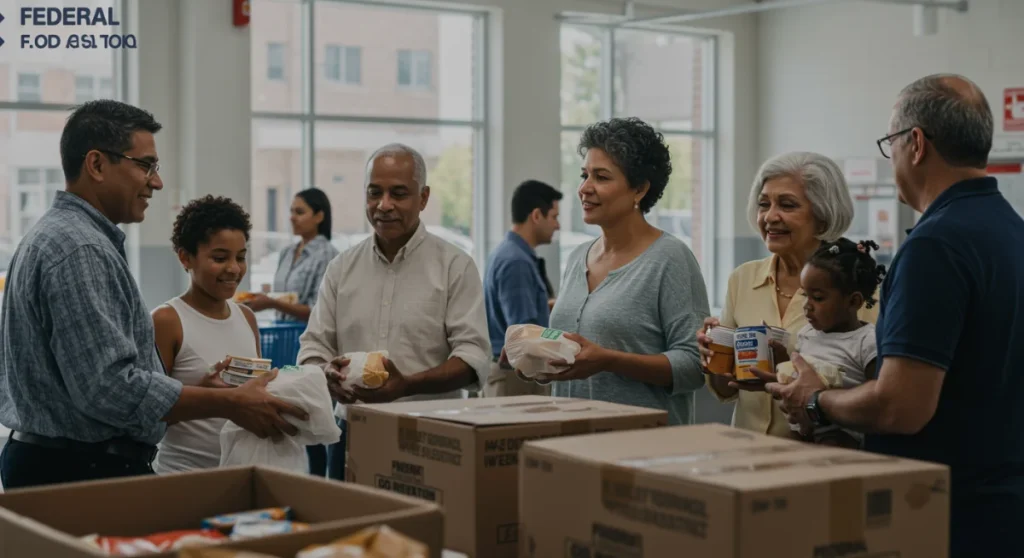
The 2026 program review of federal food assistance options critically examines the efficacy and reach of key initiatives like SNAP, WIC, and school meal programs in addressing food insecurity across the United States.
As we navigate the complexities of 2026, understanding the landscape of federal food assistance programs is more crucial than ever. This comprehensive review delves into the effectiveness of various options, aiming to provide a clear picture of their impact on food security and nutritional well-being for millions of Americans.
understanding the federal food assistance landscape
The federal government employs a multifaceted approach to combat food insecurity, utilizing a range of programs designed to support different demographics and needs. These initiatives form a critical safety net, ensuring that vulnerable populations have access to nutritious food. Evaluating their performance in 2026 requires a deep dive into their structures, reach, and the evolving challenges they face.
From direct financial aid for food purchases to supplemental nutrition programs, each option plays a distinct role. The effectiveness of these programs is often measured by their ability to reduce hunger, improve dietary quality, and support overall health outcomes. Furthermore, their economic impact on local communities and the broader agricultural sector is a significant consideration.
the pillars of federal food aid
Several cornerstone programs underpin the federal food assistance framework. These established initiatives have been refined over decades, yet continually adapt to meet contemporary needs. Understanding their individual mandates is the first step in appreciating their collective impact.
- Supplemental Nutrition Assistance Program (SNAP): Provides financial benefits to low-income individuals and families to purchase eligible food items, forming the largest federal food assistance program.
- Special Supplemental Nutrition Program for Women, Infants, and Children (WIC): Offers food assistance, nutrition education, and healthcare referrals to pregnant, breastfeeding, and postpartum women, and to infants and children up to age five.
- National School Lunch Program (NSLP) and School Breakfast Program (SBP): Ensures that eligible children receive nutritious meals during the school day, playing a vital role in child nutrition.
- Child and Adult Care Food Program (CACFP): Provides aid for nutritious meals and snacks to children and adults in day care settings.
These programs, while distinct, often interact and complement each other, creating a layered approach to food assistance. The challenge lies in optimizing their coordination and ensuring seamless access for those in need.
The ongoing review process for 2026 is examining how these programs can be strengthened, streamlined, and adapted to better serve a diverse and changing population. This includes looking at technological advancements, policy adjustments, and community partnerships to enhance their overall effectiveness.
snap: america’s largest food safety net
The Supplemental Nutrition Assistance Program, widely known as SNAP, stands as the largest federal food assistance initiative, providing crucial support to millions of low-income Americans. Its primary goal is to supplement the food budgets of eligible households, allowing them to purchase healthy food and move towards self-sufficiency. In 2026, the program’s reach and economic impact continue to be subjects of intense scrutiny and analysis.
SNAP benefits are delivered through an Electronic Benefit Transfer (EBT) card, which functions much like a debit card, making the process discreet and efficient. This method not only reduces stigma but also ensures that funds are spent on eligible food items, directly supporting the agricultural economy.
evaluating snap’s effectiveness in 2026
Assessing SNAP’s effectiveness involves looking at multiple indicators. Beyond simply reducing hunger, researchers examine its role in improving nutritional outcomes, promoting healthier eating habits, and its broader economic effects. The program’s flexibility in responding to economic downturns, such as the recent global challenges, has also highlighted its importance as an economic stabilizer.
- Poverty Reduction: Studies consistently show SNAP significantly reduces poverty rates, especially among children, lifting millions out of extreme poverty.
- Food Security: Households participating in SNAP experience lower rates of food insecurity compared to eligible non-participants, demonstrating its direct impact on hunger.
- Health Outcomes: Access to SNAP benefits has been linked to improved health indicators, including lower rates of low birth weight and reduced healthcare costs over time.
- Economic Stimulus: Every dollar in SNAP benefits generates a multiplier effect, stimulating local economies through increased demand for food products and related services.
Despite its proven benefits, SNAP faces ongoing debates regarding eligibility criteria, benefit levels, and administrative efficiency. The 2026 review aims to address these concerns, seeking ways to maximize the program’s impact while ensuring fiscal responsibility. Policy discussions often revolve around balancing access with program integrity, a delicate act that requires continuous evaluation and adjustment.
The program’s ability to adapt to evolving economic conditions and technological advancements will be key to its continued success. Innovations in benefit delivery and outreach efforts are constantly being explored to ensure that SNAP remains a responsive and effective tool in the fight against hunger.
wic: nurturing mothers and young children
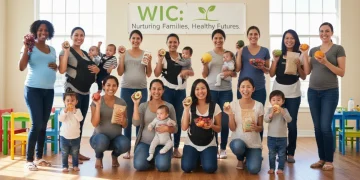
The Special Supplemental Nutrition Program for Women, Infants, and Children, or WIC, is a vital federal initiative focused on the nutritional well-being of some of the most vulnerable populations. WIC provides supplemental foods, nutrition education, and healthcare referrals to pregnant, breastfeeding, and postpartum women, as well as to infants and children up to age five. Its targeted approach aims to prevent health problems and improve the health of participants during critical developmental periods.
Unlike SNAP, WIC provides specific food packages tailored to the dietary needs of its participants, emphasizing nutrient-dense foods like fruits, vegetables, whole grains, and dairy. This prescriptive approach ensures that beneficiaries receive essential nutrients often lacking in the diets of low-income families.
impact and evolution of wic in 2026
The effectiveness of WIC is well-documented, with numerous studies highlighting its positive impact on maternal and child health outcomes. In 2026, the program continues to evolve, incorporating new dietary guidelines and leveraging technology to enhance service delivery and participant engagement.

- Improved Birth Outcomes: WIC participation is associated with longer gestations, higher birth weights, and lower rates of infant mortality.
- Enhanced Child Development: Children on WIC show improved cognitive development and school readiness compared to non-participants.
- Better Dietary Intake: Participants consume more fruits, vegetables, and other nutritious foods, leading to better overall dietary quality.
- Healthcare Access: The program’s referral component connects families to essential healthcare services, fostering a holistic approach to well-being.
Challenges for WIC in 2026 include maintaining high participation rates, particularly among eligible populations who may face barriers to access, and adapting to changing food preferences and market availability. Efforts are underway to modernize WIC clinics, expand online resources, and streamline the application process to ensure the program remains accessible and responsive to the needs of its beneficiaries.
The program’s long-standing success underscores the importance of targeted nutritional support during formative years. The 2026 review will likely focus on how to further leverage WIC’s unique model to address emerging public health concerns and ensure equitable access for all eligible families.
school meal programs: fueling student success
Federal school meal programs, including the National School Lunch Program (NSLP) and the School Breakfast Program (SBP), are cornerstones of child nutrition in the United States. These programs ensure that millions of children, particularly those from low-income households, have access to nutritious meals during the school day. In 2026, the discussion around school meals extends beyond basic sustenance to their critical role in student academic performance, health, and overall well-being.
The NSLP and SBP operate in public and non-profit private schools and residential child care institutions, providing nutritionally balanced, low-cost or free lunches and breakfasts. These meals must meet federal nutrition standards, promoting healthy eating habits from an early age.
analyzing the impact of school meals in 2026
The benefits of school meal programs are far-reaching. Beyond addressing hunger, they contribute to better concentration in class, improved attendance, and reduced behavioral issues. As we evaluate these programs in 2026, their capacity to adapt to changing dietary guidelines and student preferences, while managing increasing food costs, remains a key challenge.
- Academic Performance: Students who participate in school meal programs tend to have better academic outcomes, including higher test scores and improved cognitive function.
- Reduced Hunger: These programs are highly effective in reducing food insecurity among school-aged children, ensuring they are not learning on an empty stomach.
- Improved Health: Regular consumption of nutritious school meals is linked to lower rates of obesity and better overall health indicators among children.
- Equity and Access: School meal programs help to level the playing field, providing all students, regardless of their family’s income, with access to healthy food.
The 2026 review of school meal programs is exploring innovative approaches to menu planning, procurement, and service delivery. This includes incorporating more locally sourced foods, offering diverse cultural options, and utilizing technology to streamline operations. The goal is to maximize the nutritional benefits and appeal of school meals, ensuring they continue to be a powerful tool for student success.
Furthermore, there’s an increased focus on extending the reach of these programs beyond the traditional school year, with summer meal programs playing an increasingly important role in bridging the hunger gap when school is not in session. The ongoing adaptation of these programs is essential to meet the evolving needs of children and families.
other federal food assistance initiatives
While SNAP, WIC, and school meal programs are the most prominent, the federal government supports a variety of other food assistance initiatives that target specific needs and demographics. These programs collectively contribute to the broader goal of alleviating food insecurity and promoting nutritional health across the United States. In 2026, the effectiveness of these diverse programs is also under review, seeking to identify areas for optimization and greater impact.
The Child and Adult Care Food Program (CACFP), for instance, plays a crucial role in providing nutritious meals and snacks to children and adults in various care settings, including day care centers, after-school programs, and adult day care facilities. This ensures that individuals in these environments receive consistent, healthy food.
diversity in federal food aid
Beyond the larger programs, there are several specialized initiatives designed to fill gaps and address unique challenges faced by different communities. These often operate through partnerships with state agencies, local organizations, and non-profits, demonstrating a collaborative approach to food assistance.
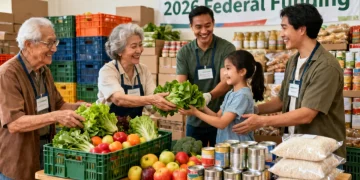
- Emergency Food Assistance Program (TEFAP): Provides food to food banks and other emergency feeding organizations, which then distribute it to low-income individuals and families.
- Senior Farmers’ Market Nutrition Program (SFMNP): Offers low-income seniors coupons to purchase fresh, unprepared fruits, vegetables, herbs, and honey at farmers’ markets, roadside stands, and community supported agriculture (CSA) programs.
- Food Distribution Program on Indian Reservations (FDPIR): Provides USDA foods to low-income households living on Indian reservations and to Native American households residing in designated areas near reservations.
- Commodity Supplemental Food Program (CSFP): Works to improve the health of low-income elderly people at least 60 years of age by supplementing their diets with nutritious USDA foods.
The review for 2026 considers how these specialized programs can be better integrated and publicized to ensure that all eligible individuals are aware of and can access the support they need. Attention is also given to the administrative burden associated with managing multiple programs and exploring ways to streamline processes for both providers and beneficiaries.
The continued success of these diverse initiatives relies on strong partnerships, effective outreach, and the ability to adapt to the unique cultural and logistical needs of the communities they serve. Their collective contribution is essential for a truly comprehensive federal food assistance strategy.
challenges and opportunities for 2026
The landscape of federal food assistance programs is not without its challenges, even as we look towards 2026. Economic fluctuations, evolving demographics, and the persistent issue of food waste all present significant hurdles. However, these challenges also open doors for innovation and improved strategies, offering opportunities to refine and strengthen the existing framework.
One of the primary challenges remains ensuring equitable access to programs across all communities, particularly in rural areas and underserved urban centers. The digital divide, for instance, can hinder access to online applications and information for some eligible individuals.
navigating the future of food assistance
Addressing these challenges requires a multi-pronged approach that combines policy adjustments with technological advancements and community engagement. The 2026 program review is specifically designed to identify these areas and propose actionable solutions.
- Technological Integration: Leveraging digital platforms for enrollment, benefit delivery, and nutrition education can enhance accessibility and efficiency.
- Policy Modernization: Regularly updating eligibility criteria and benefit levels to reflect current economic realities and cost of living.
- Community Partnerships: Strengthening collaborations between federal agencies, state governments, local organizations, and food banks to maximize reach and impact.
- Addressing Food Waste: Initiatives that connect surplus food from farms and retailers to food assistance programs can reduce waste and increase food availability.
Moreover, the review focuses on fostering a greater understanding of the root causes of food insecurity, moving beyond symptomatic relief to address systemic issues. This includes exploring the links between food insecurity, housing, employment, and healthcare, advocating for a more integrated approach to social welfare.
Opportunities for 2026 also lie in promoting nutrition security – ensuring not just access to food, but access to healthy, affordable food that supports overall well-being. This involves a greater emphasis on nutrition education, healthy food incentives, and supporting local food systems that can provide fresh, culturally appropriate options.
comparison of program effectiveness
A critical component of the 2026 program review is a direct comparison of the effectiveness of different federal food assistance options. While each program serves distinct purposes and target populations, understanding their relative strengths and potential overlaps can inform better policy decisions and resource allocation. This comparative analysis moves beyond individual program successes to evaluate the overall coherence and efficiency of the federal food aid system.
The metrics for comparison include reach, impact on poverty and food insecurity, nutritional outcomes, and administrative efficiency. It’s important to recognize that a program’s ‘effectiveness’ is often context-dependent, reflecting its specific design and target demographic.
synergy and distinct impacts
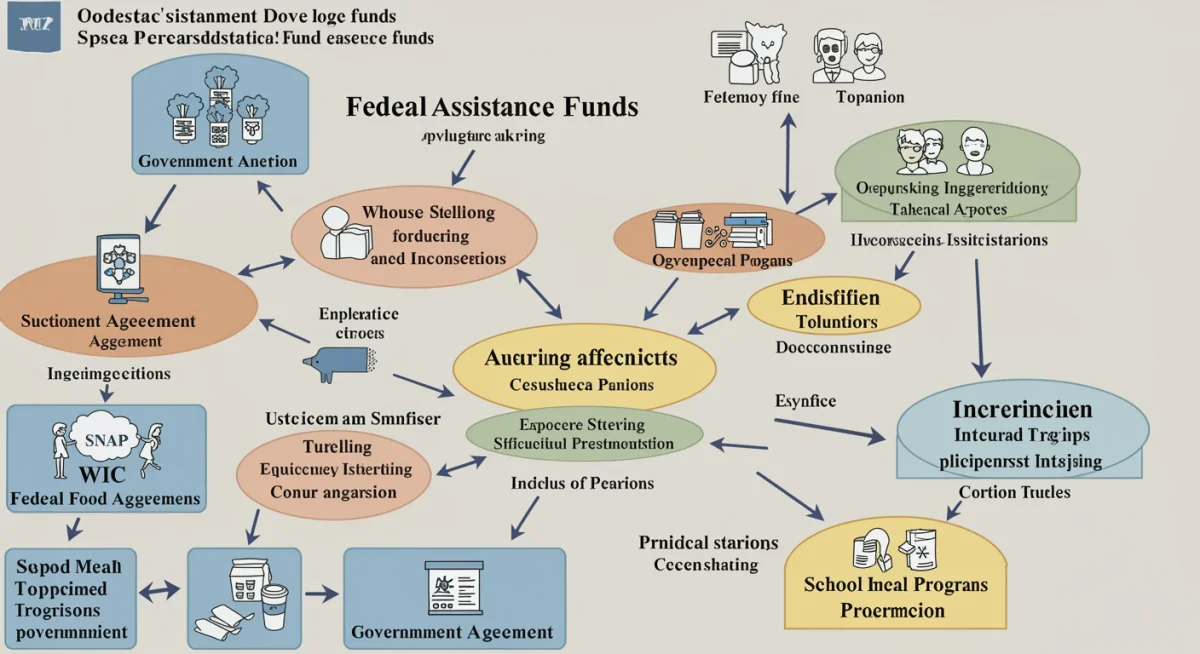
While SNAP, WIC, and school meal programs all contribute to food security, their mechanisms and direct impacts vary. SNAP offers broad purchasing power, WIC provides targeted nutritional support for mothers and young children, and school meals ensure consistent nutrition for students. The effectiveness often lies in their combined synergy.
- SNAP vs. WIC: SNAP offers greater flexibility in food choices and broader household coverage, while WIC provides specific nutritious foods and crucial nutrition education, focusing on critical developmental stages.
- School Meals vs. SNAP: School meals guarantee access to prepared, nutritious food in an educational setting, directly impacting learning, whereas SNAP empowers families to purchase food for home consumption, offering dietary autonomy.
- Overall System Cohesion: The review assesses how well these programs integrate, identifying areas where collaboration could be enhanced to reduce gaps in coverage and streamline the beneficiary experience.
The 2026 analysis also considers cost-effectiveness, examining the return on investment for each program in terms of health improvements, economic stimulus, and long-term societal benefits. This involves scrutinizing administrative costs versus direct benefits delivered to participants, aiming for maximum impact per dollar spent.
Ultimately, the comparison seeks to identify best practices and areas for improvement across the entire federal food assistance portfolio. The goal is not to pit programs against each other, but to understand how they can collectively create a more robust and responsive system that effectively addresses food insecurity for all Americans.
| Key Program | Primary Focus in 2026 |
|---|---|
| SNAP | Broad household food purchasing power, poverty reduction, economic stimulus. |
| WIC | Targeted nutrition for mothers, infants, and young children, improved health outcomes. |
| School Meals | Ensuring student access to nutritious meals, academic performance, health. |
| Other Initiatives | Targeted support for seniors, reservations, and emergency food relief. |
frequently asked questions about federal food assistance
The primary goals include alleviating food insecurity, improving nutritional outcomes, and supporting the health and well-being of vulnerable populations. Additionally, these programs aim to stimulate local economies and provide a crucial safety net during economic downturns.
SNAP provides general financial benefits for eligible food purchases to low-income households, offering broad choice. WIC, conversely, offers specific food packages, nutrition education, and healthcare referrals targeted at pregnant women, new mothers, infants, and young children for specific nutritional needs.
Yes, numerous studies indicate that participation in school meal programs can lead to better academic performance, including improved concentration, higher test scores, and reduced absenteeism, by ensuring children are well-nourished and not learning on an empty stomach.
Challenges include ensuring equitable access, particularly in underserved areas, adapting to economic fluctuations, managing food costs, and addressing food waste. The digital divide also presents a hurdle for some eligible individuals trying to access online resources and applications.
Strengthening involves leveraging technology for better access, regularly updating policies to reflect current needs, fostering stronger community partnerships, and integrating efforts to address the root causes of food insecurity beyond just providing food aid.
conclusion
The 2026 program review of federal food assistance options reveals a complex yet vital network of initiatives dedicated to combating hunger and enhancing nutrition across the United States. While programs like SNAP, WIC, and school meals demonstrate significant effectiveness in their respective domains, ongoing evaluation and adaptation are crucial. The challenges of equitable access, economic shifts, and the need for greater integration highlight opportunities for innovation and collaboration. By continuously refining these essential programs, the federal government can ensure a more food-secure and healthier future for all Americans, fostering both individual well-being and broader societal resilience.