VR Home Entertainment: Immersive Experiences by Early 2025
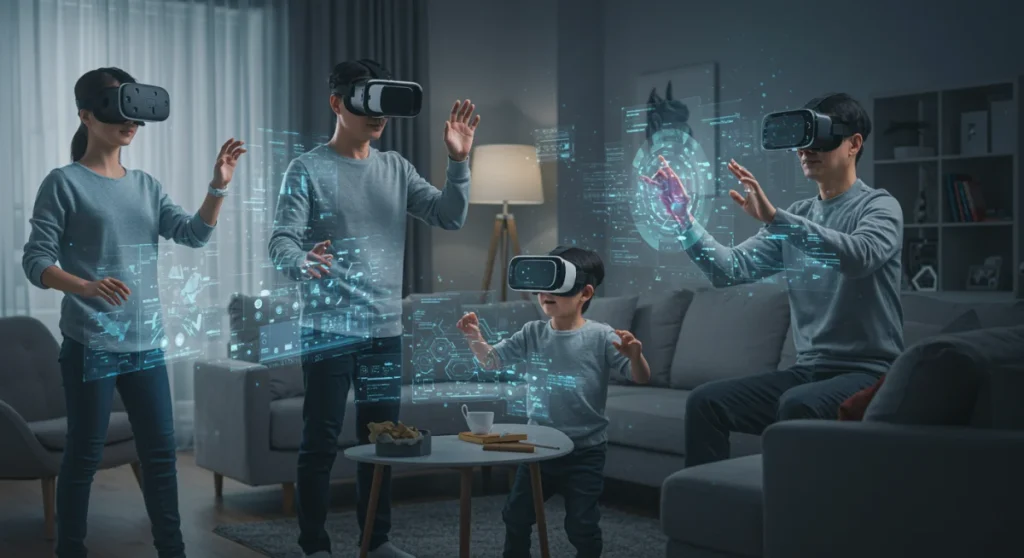
By early 2025, virtual reality is set to revolutionize home entertainment, offering deeply immersive experiences through advanced headsets, interactive content, and accessible platforms that will redefine how we engage with digital worlds.
The landscape of home entertainment is on the cusp of a profound transformation, with VR home entertainment poised to deliver truly immersive experiences by early 2025. This isn’t merely about incremental improvements; it’s about a paradigm shift that promises to redefine how we interact with digital content, offering unparalleled levels of engagement and presence directly from our living rooms.
The Evolution of VR Technology: Beyond Gimmicks
Virtual reality has moved past its nascent stages, shedding its reputation as a niche gadget for early adopters. By early 2025, significant advancements in hardware and software will culminate in VR systems that are more comfortable, powerful, and user-friendly than ever before. These developments are crucial for widespread adoption, transforming VR from a novelty into a staple of modern home entertainment.
One of the most critical areas of improvement lies in headset design. We are seeing lighter, more ergonomic devices with higher-resolution displays and wider fields of view, drastically reducing motion sickness and enhancing visual fidelity. This means longer, more enjoyable sessions without discomfort.
Hardware Innovations Driving Immersion
The next generation of VR headsets will feature a host of innovations designed to deepen immersion. From improved optics to integrated haptic feedback, every component is being refined to create a more convincing virtual presence. These devices are becoming self-contained units, reducing reliance on powerful external PCs.
- High-Resolution Displays: Sharper visuals reduce the ‘screen-door effect,’ making virtual worlds look more realistic.
- Wider Fields of View: Expanding the peripheral vision in VR enhances the sense of being truly present in the virtual environment.
- Advanced Tracking Systems: More precise head and hand tracking allows for natural interactions and movements within VR.
- Integrated Haptics: Subtle vibrations and force feedback in controllers and wearables add a tactile dimension to virtual experiences.
These hardware advancements are not just about raw power; they are about creating a seamless and intuitive user experience that makes VR feel less like a technological barrier and more like a natural extension of our senses. The goal is to make the technology disappear, allowing users to fully immerse themselves in the virtual world.
In conclusion, the technological evolution of VR is accelerating, pushing the boundaries of what’s possible in home entertainment. The focus on user comfort, visual fidelity, and intuitive interaction is paving the way for VR to become an indispensable part of our daily lives, moving beyond mere gimmicks to deliver truly transformative experiences.
Content Revolution: Beyond Gaming
While gaming has been the primary driver for VR adoption, the content landscape is rapidly diversifying. By early 2025, VR will offer a rich tapestry of experiences beyond traditional video games, encompassing interactive storytelling, virtual tourism, educational modules, and live events. This expansion is vital for attracting a broader audience and cementing VR’s place in mainstream home entertainment.
Imagine attending a live concert from the best seat in the house, exploring ancient ruins with a virtual archaeologist, or even participating in interactive narratives where your choices directly influence the outcome. These are not distant dreams but imminent realities, fueled by creative developers and powerful new tools.
Diverse Content Categories Emerging
The push for diverse content is leading to innovative applications across various sectors. Developers are leveraging VR’s unique capabilities to create experiences that simply aren’t possible in traditional media formats. This includes everything from virtual fitness classes to collaborative workspaces.
- Interactive Storytelling: Narrative experiences where users are active participants, influencing plot and character development.
- Virtual Tourism: Explore global landmarks, natural wonders, and cultural sites from the comfort of your home, often with guided tours.
- Educational Simulations: Immersive learning environments for subjects ranging from history to science, making education engaging and experiential.
- Live Events & Social VR: Attend concerts, sports events, or social gatherings with friends in a shared virtual space, regardless of physical location.
The quality and variety of VR content are crucial for its long-term success. As more creative minds enter the space, we can expect an explosion of innovative applications that tap into VR’s potential to transport us to new realities and connect us in unprecedented ways. The barrier to entry for content creation is also lowering, allowing independent creators to contribute to this burgeoning ecosystem.
Ultimately, the content revolution in VR is about offering choice and depth. It’s about providing experiences that resonate with a wide array of interests, ensuring that there’s something for everyone in the virtual world. This diversification is key to attracting and retaining a mass audience.
Accessibility and Affordability: VR for Everyone
For VR to truly become a staple of home entertainment, it must be both accessible and affordable. The early days of VR were characterized by expensive, high-end systems requiring powerful PCs, limiting its reach to a select few. By early 2025, this barrier to entry will significantly diminish, making immersive VR experiences available to a much wider demographic.
Manufacturers are focusing on standalone VR headsets that don’t require external computers or complex setups. These devices are becoming increasingly powerful, offering impressive visuals and performance at a fraction of the cost of their PC-tethered predecessors. This democratizes access to high-quality VR.
Lowering the Entry Barrier
The drive towards affordability is not just about cheaper hardware; it’s also about simplified user experiences and broader retail availability. Plug-and-play functionality and intuitive interfaces are making VR appealing to casual users, not just tech enthusiasts.
- Standalone Headsets: All-in-one devices that eliminate the need for expensive gaming PCs, offering a more convenient and affordable entry point.
- Competitive Pricing: Increased competition and mass production are driving down the cost of VR hardware, making it more consumer-friendly.
- User-Friendly Interfaces: Simplified setup and navigation make VR accessible to users of all technical proficiencies.
- Subscription Models: Content platforms are adopting subscription services, providing access to a vast library of VR experiences for a monthly fee.
The emphasis on accessibility also extends to physical design, with headsets becoming lighter and more comfortable for extended use. This focus on the average consumer is critical for VR to move beyond its niche status and into the mainstream. The goal is to make VR as easy to use and as ubiquitous as a smartphone or a smart TV.
In summary, the push for greater accessibility and affordability is transforming VR from a luxury item into a viable home entertainment option for millions. As prices drop and ease of use improves, more households will be able to enjoy the wonders of immersive virtual experiences, truly bringing the future of entertainment home.
Social VR: Connecting in New Dimensions
One of the most exciting aspects of the future of home entertainment in VR is its potential to foster social connection. By early 2025, social VR platforms will evolve beyond simple chat rooms, offering rich, interactive environments where users can meet, play, and collaborate with friends and strangers from across the globe. This represents a new frontier for digital social interaction.
Imagine hosting a virtual game night with friends who live thousands of miles away, attending a virtual concert with thousands of other avatars, or even building entire virtual worlds together. These platforms are designed to replicate and even enhance real-world social dynamics, offering a sense of presence that video calls cannot match.
Enhancing Human Connection Virtually
Social VR isn’t just about recreating physical spaces; it’s about creating entirely new ways for people to interact and express themselves. Avatars are becoming more customizable and expressive, allowing for greater personalization and non-verbal communication. This fosters a deeper sense of connection and shared experience.
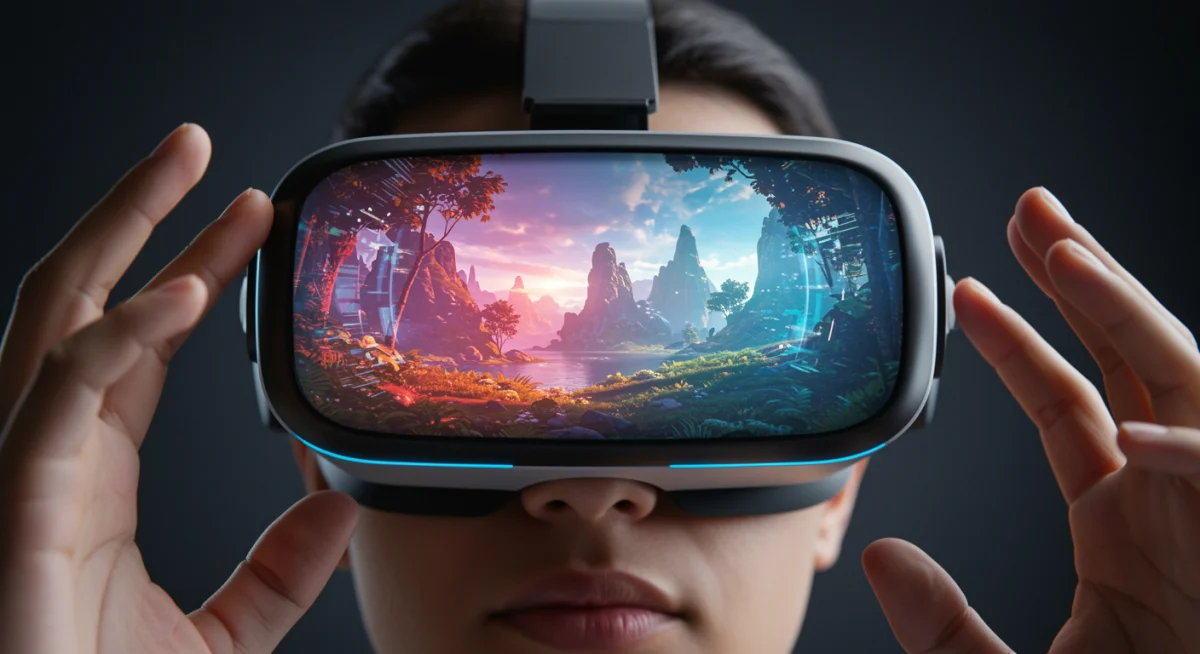
- Shared Virtual Spaces: Platforms where users can gather, interact, and participate in activities together in a collective digital environment.
- Expressive Avatars: Highly customizable and realistic avatars that allow users to convey emotions and personality effectively.
- Collaborative Experiences: Tools and environments for joint projects, games, or even educational activities within VR.
- Global Events: Attending virtual festivals, conferences, or cultural events with participants from around the world, transcending geographical barriers.
The development of more sophisticated social VR platforms is crucial for the technology’s long-term success. Humans are inherently social creatures, and VR offers a unique opportunity to bridge physical distances and create meaningful connections in digital spaces. These platforms are becoming increasingly sophisticated, incorporating elements of gaming, media consumption, and creative expression.
In essence, social VR is transforming passive consumption into active participation and interaction. It’s about building communities and shared experiences that are as rich and engaging as those in the physical world, making home entertainment a truly collective and interactive endeavor.
Challenges and Opportunities for Widespread Adoption
Despite the rapid advancements, the path to widespread VR home entertainment is not without its challenges. Issues such as content discovery, user comfort, and ethical considerations surrounding data privacy and digital behavior still need to be addressed. However, these challenges also present significant opportunities for innovation and growth within the industry.
One primary concern is the potential for information overload or isolation if VR experiences are not balanced with real-world interactions. Developers and platform creators are acutely aware of these issues and are working to implement features that promote responsible usage and well-being.
Navigating the VR Landscape
Overcoming these hurdles requires a concerted effort from hardware manufacturers, software developers, and content creators. Addressing user feedback, continuously improving technology, and establishing industry best practices are all vital steps toward broader consumer acceptance.
- Content Curation: Developing effective systems for users to discover high-quality and relevant VR experiences amidst a growing library.
- User Comfort & Health: Continued research into reducing motion sickness, eye strain, and ensuring ergonomic headset designs.
- Data Privacy & Security: Implementing robust measures to protect user data and ensure secure interactions within virtual environments.
- Ethical Guidelines: Establishing standards for content creation and social interaction to prevent harassment and promote positive digital citizenship.
The opportunities, however, are immense. As these challenges are met, VR can unlock entirely new markets and revolutionize industries beyond entertainment, including healthcare, education, and professional training. The lessons learned in home entertainment will undoubtedly inform these broader applications, creating a virtuous cycle of innovation.
Ultimately, the journey to universal VR adoption is a marathon, not a sprint. By proactively addressing the challenges and embracing the opportunities, the industry can ensure that VR home entertainment not only thrives but also contributes positively to society, offering enriching and safe experiences for everyone.
The Economic Impact and Future Outlook
The burgeoning VR home entertainment market represents a significant economic force, poised for substantial growth by early 2025. This expansion will not only drive innovation in technology but also create new jobs, stimulate content creation, and open up novel revenue streams across various sectors. The investment from tech giants and startups alike underscores the immense potential recognized within this space.
Analysts predict a multi-billion dollar industry, with revenues stemming from hardware sales, software purchases, subscription services, and in-app transactions. This economic engine will fuel further research and development, accelerating the pace of technological advancement and content diversification.
Market Growth and Investment Trends
The influx of capital and talent into the VR sector indicates strong confidence in its future. Companies are investing heavily in R&D, patent acquisition, and strategic partnerships to secure their position in what is rapidly becoming a pivotal market. This competitive landscape benefits consumers through improved products and services.
- Hardware Sales Surge: Expected rise in sales of standalone and PC-tethered VR headsets as affordability and quality improve.
- Content Ecosystem Expansion: Growth in revenue from VR games, applications, movies, and interactive experiences.
- Advertising & Sponsorship: New opportunities for brands to engage with consumers within immersive virtual environments.
- Job Creation: Demand for VR developers, designers, engineers, and content creators will significantly increase.
Beyond direct economic impact, VR is also a catalyst for innovation in related fields, including AI, haptics, and cloud computing. The challenges of delivering truly immersive and seamless VR experiences push the boundaries of current technology, leading to breakthroughs that benefit other industries.
In conclusion, the economic outlook for VR home entertainment is overwhelmingly positive. As the technology matures and becomes more accessible, it will not only transform how we entertain ourselves but also generate substantial economic value, fostering a vibrant ecosystem of innovation and creativity for years to come.
| Key Aspect | Brief Description |
|---|---|
| Technological Leap | Lighter, higher-res headsets with wider FOV and improved tracking for enhanced immersion. |
| Content Diversification | Beyond gaming to interactive stories, virtual tourism, education, and live events. |
| Accessibility & Cost | Standalone headsets and competitive pricing making VR affordable for mass adoption. |
| Social Integration | Advanced social VR platforms for collective experiences and global connections. |
Frequently Asked Questions About VR Home Entertainment
By early 2025, VR headsets will feature higher-resolution displays, wider fields of view, and improved ergonomics, significantly reducing motion sickness and enhancing visual clarity. We’ll also see more powerful standalone units, making VR more accessible without the need for high-end PCs, improving overall comfort and immersion for users.
Beyond gaming, VR content is expanding into interactive storytelling, virtual tourism, educational simulations, and live events. Users will be able to attend virtual concerts, explore historical sites, and participate in immersive narratives, offering diverse experiences that cater to a broader audience beyond traditional gamers.
Yes, affordability is a key focus. By early 2025, standalone VR headsets will be more cost-effective and powerful, eliminating the need for expensive additional hardware. Increased competition and streamlined manufacturing processes are driving prices down, making high-quality VR experiences accessible to a much wider consumer base.
Social VR platforms will become central to home entertainment, offering rich, interactive spaces for users to connect. Imagine hosting virtual game nights, attending global events, or collaborating on creative projects with friends and strangers, fostering a deeper sense of presence and community than traditional online interactions.
Key challenges include content discovery, ensuring user comfort over long periods, and addressing ethical concerns like data privacy and digital behavior. The industry is working to overcome these by improving user interfaces, refining hardware design, and establishing clear guidelines for responsible VR use and content creation.
Conclusion
The journey towards truly immersive VR home entertainment by early 2025 is well underway, marked by significant technological leaps, a diversifying content landscape, and a concerted effort to enhance accessibility and affordability. As hardware becomes more refined and content creators push the boundaries of interactive experiences, virtual reality is poised to transform our living rooms into portals to infinite digital worlds. The potential for social connection, educational growth, and pure entertainment promises a future where our digital lives are richer, more engaging, and deeply integrated with our physical spaces, ushering in an exciting new era for how we experience and interact with media.