Mastering Stress Management: 5 Steps for 2025 Resilience

This article outlines a comprehensive 5-step stress management framework designed to enhance resilience against daily pressures in 2025, empowering individuals to proactively mitigate and overcome life’s challenges for improved well-being.
In an increasingly complex and demanding world, the ability to effectively navigate daily pressures is not just beneficial, but essential for well-being. This guide delves into Mastering Stress Management: A 5-Step Framework for Building Resilience Against Daily Pressures in 2025, offering practical strategies to transform how you respond to life’s inevitable challenges.
Understanding the Landscape of Stress in 2025
The nature of stress continues to evolve, with new digital demands and global uncertainties adding layers to traditional stressors. In 2025, understanding this complex landscape is the first step toward effective stress management. It’s no longer enough to simply react; a proactive approach grounded in awareness is paramount.
Modern life introduces unique stressors that previous generations did not contend with. Constant connectivity, the pressure of social media, and the rapid pace of technological change contribute to a pervasive sense of urgency and overwhelm. Recognizing these specific triggers within your own life is crucial for developing targeted coping mechanisms that truly work.
The Digital Overload Effect
The digital age, while offering conveniences, often blurs the lines between work and personal life, leading to an ‘always-on’ culture. This constant availability can deplete mental resources and contribute significantly to chronic stress.
- Information Overload: The sheer volume of data we process daily can be mentally exhausting.
- Social Comparison: Curated online lives often lead to unrealistic self-expectations and feelings of inadequacy.
- Fear of Missing Out (FOMO): The constant stream of updates can create anxiety about not being part of every event or trend.
Beyond digital stressors, economic uncertainties and global events continue to fuel anxiety. These macro-level factors can feel beyond individual control, yet their impact on personal well-being is undeniable. Acknowledging these external pressures allows for a more comprehensive strategy that incorporates both personal action and a healthy acceptance of what cannot be changed.
In conclusion, the first stage of mastering stress involves a clear-eyed assessment of its contemporary forms. By identifying the specific digital, social, and global influences contributing to your stress, you lay the groundwork for a more effective and personalized management strategy.
Step 1: Identify Your Stressors – The Root Cause Analysis
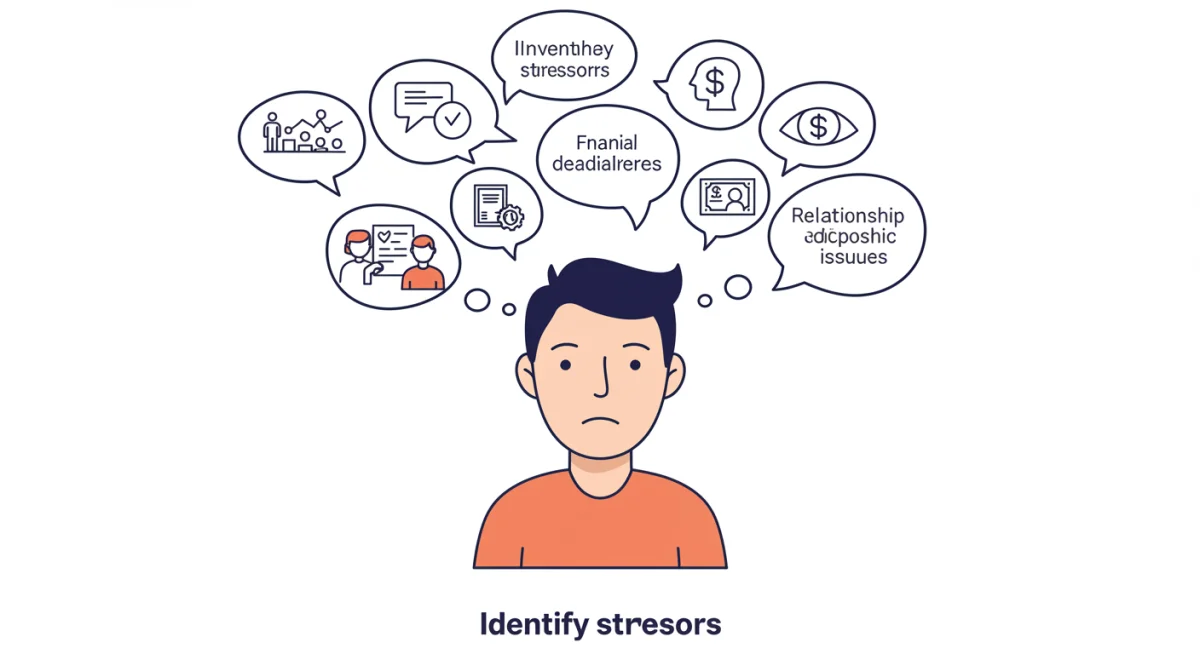
Effective stress management begins with a precise understanding of what triggers your stress. This isn’t always obvious, as many stressors operate subtly in the background of daily life. Taking the time to perform a root cause analysis can illuminate patterns and sources you might otherwise overlook.
This initial step requires introspection and honest self-assessment. It involves moving beyond general feelings of being overwhelmed to pinpointing the specific events, situations, or even thoughts that consistently lead to stress. Keeping a stress journal can be an invaluable tool here, helping you track triggers and your reactions over time.
Categorizing Stress Triggers
Once identified, stressors can often be grouped into categories, making them easier to address. This categorization helps in developing targeted strategies rather than a one-size-fits-all approach.
- Work-Related: Deadlines, workload, workplace politics, job insecurity.
- Personal Life: Relationship issues, family responsibilities, financial burdens, health concerns.
- Environmental: Noise pollution, commuting, cluttered spaces, unsafe surroundings.
Understanding the difference between acute and chronic stressors is also vital. Acute stress is a short-term reaction to an immediate threat or demand, while chronic stress is persistent and can have long-lasting negative impacts on health. Identifying which type of stress you are experiencing helps in choosing appropriate interventions.
The process of identifying stressors is not about blaming external factors, but about gaining clarity. It empowers you to recognize when you are entering a stressful situation and to prepare a response. Without this foundational understanding, any attempts at stress management will be akin to treating symptoms without addressing the underlying illness.
Ultimately, accurately identifying your unique stressors is the cornerstone of our stress management framework. It provides the necessary insight to move forward with informed and effective strategies, ensuring your efforts are directed where they will have the most impact.
Step 2: Develop Coping Mechanisms – Building Your Personal Toolkit
Once stressors are identified, the next critical step is to develop a robust set of coping mechanisms. This personal toolkit of strategies helps you respond to stress in healthy and constructive ways, preventing it from overwhelming you. Effective coping mechanisms are diverse and should be tailored to your individual needs and preferences.
Coping mechanisms can be broadly divided into problem-focused and emotion-focused strategies. Problem-focused coping aims to eliminate or reduce the stressor itself, while emotion-focused coping seeks to manage the emotional reaction to the stressor when it cannot be directly changed. A balanced approach often involves both.
Problem-Focused Strategies
These strategies are about taking direct action to resolve the source of stress. They require an active approach and a willingness to confront challenges head-on.
- Time Management: Prioritizing tasks, setting realistic deadlines, and delegating responsibilities.
- Conflict Resolution: Learning effective communication skills to address interpersonal issues.
- Skill Development: Acquiring new skills to better handle work or personal demands.
Emotion-focused strategies, on the other hand, are about managing your internal state. When a stressor is unavoidable, or when you need to recover from its impact, these techniques become invaluable. They help regulate feelings and restore a sense of calm.
It’s important to experiment with various techniques to discover what works best for you. What helps one person might not resonate with another. The goal is to build a diverse toolkit so you have multiple options available when stress strikes.
In summary, developing effective coping mechanisms is about consciously choosing how you react to stressful situations. By building a personalized toolkit of strategies, you empower yourself to navigate daily pressures with greater control and emotional stability.
Step 3: Implement Mindfulness and Relaxation Techniques
Beyond active coping strategies, integrating mindfulness and relaxation techniques into your daily routine is a powerful way to build resilience. These practices help to regulate the nervous system, reduce the physiological symptoms of stress, and cultivate a sense of inner peace. They are not merely reactive tools but proactive measures for maintaining mental and emotional balance.
Mindfulness, at its core, is about paying attention to the present moment without judgment. It helps to break the cycle of rumination and worry, bringing your focus to what is happening now rather than dwelling on the past or fearing the future. Regular practice can significantly alter your brain’s response to stress.
Key Mindfulness Practices
There are numerous ways to practice mindfulness, from formal meditation to informal moments of awareness. Consistency is more important than duration when starting out.
- Mindful Breathing: Focusing on the sensation of each breath, noticing its depth and rhythm.
- Body Scan Meditation: Systematically bringing awareness to different parts of the body, noticing any sensations.
- Mindful Eating: Paying full attention to the taste, texture, and smell of food, eating slowly and intentionally.
Relaxation techniques, while related to mindfulness, often have a more direct physiological aim: to reduce muscle tension, lower heart rate, and promote a sense of calm. These can be particularly effective when you feel physically tense or overwhelmed by stress.
Deep breathing exercises, progressive muscle relaxation, and guided imagery are excellent examples of relaxation techniques. Incorporating even short bursts of these practices throughout your day can make a significant difference in your overall stress levels. The key is to make them a regular part of your routine, much like brushing your teeth or eating meals.
By consistently implementing mindfulness and relaxation techniques, you actively train your mind and body to respond more calmly to stressors. This proactive approach not only helps manage existing stress but also enhances your overall capacity for resilience, making you less susceptible to future pressures.
Step 4: Nurture Your Support Systems and Social Connections
Human beings are inherently social, and strong social connections are a powerful buffer against stress. Nurturing your support systems – whether family, friends, colleagues, or community groups – provides emotional validation, practical assistance, and a sense of belonging. Isolation, conversely, can exacerbate feelings of stress and vulnerability.
In 2025, with many interactions shifting online, it’s crucial to distinguish between superficial digital connections and meaningful, supportive relationships. While online communities can offer support, they often cannot fully replace the depth and nuance of in-person interactions.
Building and Maintaining Connections
Actively investing in relationships requires effort, but the returns in terms of stress reduction and well-being are immense. Prioritize quality over quantity in your social circle.
- Regular Check-ins: Make time for phone calls, video chats, or in-person meetings with loved ones.
- Offer and Accept Help: Be willing to support others and equally open to receiving support when you need it.
- Join Groups: Engage in hobbies or activities that connect you with like-minded individuals.
Beyond individual relationships, community involvement can also be a significant source of support. Volunteering, participating in local events, or joining cause-based organizations can foster a sense of purpose and connection, which are vital for mental resilience. These activities shift focus from personal worries to collective well-being, providing a broader perspective.
It’s important to recognize that not all relationships are equally supportive. Learning to set boundaries with individuals who consistently drain your energy or contribute to your stress is also a crucial aspect of nurturing your support system. Protecting your emotional space is an act of self-care.
Ultimately, fostering robust support systems and meaningful social connections acts as a protective shield against the adverse effects of stress. By surrounding yourself with positive influences and actively participating in your community, you strengthen your ability to navigate life’s challenges with greater ease and confidence.
Step 5: Embrace a Holistic Lifestyle for Sustained Well-being
The final step in mastering stress management is to integrate all previous strategies within a broader framework of a holistic lifestyle. This means recognizing that physical, mental, and emotional health are interconnected, and improvements in one area often positively impact others. A holistic approach ensures sustained well-being and long-term resilience against daily pressures.
This step moves beyond reactive stress management to proactive health promotion. It involves making conscious choices every day that support your overall vitality and equip you to better handle life’s ups and downs. It’s about creating a lifestyle that inherently reduces your susceptibility to chronic stress.
Pillars of a Holistic Lifestyle
Several key areas contribute to a holistic approach to stress management. Addressing these consistently builds a strong foundation for resilience.
- Balanced Nutrition: Fueling your body with nutrient-rich foods supports brain function and mood stability.
- Regular Physical Activity: Exercise is a powerful stress reliever, releasing endorphins and improving sleep.
- Adequate Sleep: Prioritizing 7-9 hours of quality sleep is fundamental for physical and mental restoration.
- Mind-Body Practices: Continuing with yoga, tai chi, or meditation to maintain inner calm and flexibility.
Beyond these foundational elements, a holistic lifestyle also encompasses cultivating a sense of purpose, engaging in creative outlets, and spending time in nature. These activities provide joy, meaning, and opportunities for mental rejuvenation, all of which are critical for stress prevention and recovery.
It also involves regular self-reflection and adjustment. Life is dynamic, and what works today might need modification tomorrow. Being adaptable and willing to reassess your lifestyle choices ensures that your stress management strategies remain effective over time. This continuous process of learning and adapting is central to sustained well-being.
In essence, embracing a holistic lifestyle is about consciously constructing a life that minimizes stress and maximizes your capacity for joy and resilience. It’s a continuous journey of self-care and self-awareness, leading to a more balanced and fulfilling existence.
| Key Step | Brief Description |
|---|---|
| Identify Stressors | Pinpoint specific triggers and sources of stress through introspection and tracking. |
| Develop Coping | Build a personal toolkit of problem-focused and emotion-focused strategies. |
| Mindfulness & Relaxation | Integrate practices like meditation and deep breathing for inner calm. |
| Holistic Lifestyle | Embrace balanced nutrition, exercise, sleep, and purpose for overall well-being. |
Frequently Asked Questions About Stress Management
Chronic stress often manifests as persistent fatigue, irritability, difficulty concentrating, changes in sleep patterns (insomnia or oversleeping), and unexplained physical symptoms like headaches or digestive issues. Recognizing these early warning signs is crucial for timely intervention and preventing further health complications.
To effectively identify personal stressors, try keeping a stress journal for a week or two. Note down situations, thoughts, or interactions that trigger negative emotions or physical tension. Reflect on patterns and common themes. This systematic approach reveals specific triggers, allowing for targeted management strategies.
Yes, several quick techniques can offer immediate stress relief. Deep breathing exercises, such as the 4-7-8 method, can calm your nervous system within minutes. Taking a short walk, listening to soothing music, or practicing a brief mindfulness exercise can also help to break the stress cycle quickly.
Sleep is profoundly important for stress management. During sleep, your body and mind repair and rejuvenate. Chronic sleep deprivation impairs your ability to cope with stressors, exacerbates emotional reactivity, and weakens your immune system. Aim for 7-9 hours of quality sleep nightly to enhance resilience.
Absolutely. Your diet plays a significant role in managing stress. A diet rich in whole foods, fruits, vegetables, and lean proteins can stabilize blood sugar, reduce inflammation, and support neurotransmitter production crucial for mood regulation. Conversely, processed foods and excessive sugar can worsen stress and anxiety.
Conclusion
Mastering stress management is an ongoing journey, not a destination. By diligently applying this 5-step framework—identifying stressors, developing coping mechanisms, embracing mindfulness, nurturing support systems, and adopting a holistic lifestyle—you can significantly enhance your resilience against the daily pressures of 2025 and beyond. This proactive and integrated approach empowers you to not just survive, but to thrive, fostering a life of greater balance, calm, and well-being.