Smart Home Integration: Maximizing Energy Efficiency by 25% in 2025 Through AI
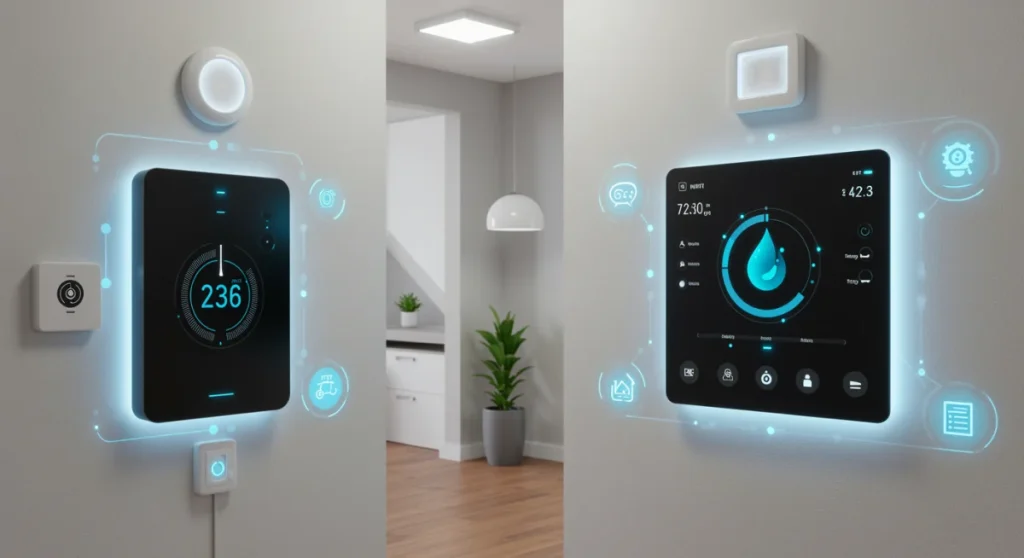
Smart home integration, powered by AI, is poised to dramatically enhance energy efficiency, offering practical solutions for homeowners to reduce consumption by 25% by 2025 through intelligent automation and personalized management.
Imagine a home that intuitively understands your needs, adapting its energy consumption to save you money and reduce your environmental footprint. This is the promise of smart home energy AI, a transformative approach to living that’s set to redefine how we interact with our dwellings. By 2025, advanced AI-powered systems will be crucial in maximizing energy efficiency, potentially cutting household energy use by a remarkable 25%. This isn’t just about convenience; it’s about creating a more sustainable and cost-effective future for every homeowner.
The Dawn of AI-Powered Energy Management in Homes
The concept of smart homes has evolved rapidly, moving beyond simple automation to sophisticated artificial intelligence that learns and adapts. This new era of AI-powered energy management is fundamentally changing how residences consume power, moving from reactive adjustments to proactive optimization. It’s about creating a living space that is not only comfortable but also inherently efficient.
Traditional energy management often relies on manual adjustments or basic programmable timers. However, AI introduces a layer of intelligence that can process vast amounts of data—from weather forecasts and occupancy patterns to utility rates and appliance performance—to make real-time, informed decisions. This leads to energy savings that were previously unattainable, making your home a truly intelligent entity.
Understanding AI’s Role in Residential Energy Efficiency
AI algorithms are at the heart of this revolution, enabling systems to predict, analyze, and automate energy use. They can identify inefficiencies and suggest optimal settings, often without direct user intervention. This capability transforms a regular house into a dynamic, energy-saving ecosystem.
- Predictive Analytics: AI anticipates energy needs based on historical data and external factors like local weather, optimizing heating and cooling schedules.
- Behavioral Learning: Systems learn resident preferences and routines, adjusting lighting and climate control to match lifestyle patterns while minimizing waste.
- Real-time Optimization: AI monitors current energy consumption and adjusts connected devices instantly to maintain comfort while staying within efficiency targets.
- Fault Detection: Advanced AI can detect anomalies in energy consumption that might indicate malfunctioning appliances or system inefficiencies, alerting homeowners to potential issues.
Ultimately, AI-powered energy management isn’t just about saving money; it’s about creating a more responsive and sustainable living environment. By leveraging the power of artificial intelligence, homeowners can achieve unprecedented levels of energy efficiency, contributing to a greener planet and reducing their utility bills significantly.
Integrated Smart Home Systems: A Holistic Approach to Efficiency
Achieving maximum energy efficiency in 2025 will hinge on the seamless integration of various smart home components. Instead of disparate devices operating independently, a truly smart home functions as a cohesive unit, where lighting, climate control, appliances, and security systems communicate and collaborate. This holistic approach unlocks synergistic energy savings that individual devices simply cannot.
An integrated system means that your smart thermostat doesn’t just regulate temperature; it also considers whether your smart blinds are open or closed, the occupancy of a room, and even the energy consumption of your smart water heater. This interconnectedness allows for highly nuanced and effective energy optimization strategies.
Key Components of an Integrated Smart Home
Building an efficient smart home involves carefully selecting and integrating devices that work together harmoniously. The choice of a central hub and compatible devices is crucial for a smooth and effective system. Compatibility standards like Matter and Thread are making this integration easier than ever.
- Smart Thermostats: AI-driven thermostats learn your schedule and preferences, adjusting temperatures to maximize comfort and minimize energy waste.
- Intelligent Lighting: Occupancy sensors, daylight harvesting, and AI-controlled dimming ensure lights are only on when needed and at optimal brightness.
- Smart Plugs and Outlets: These devices monitor and control energy flow to appliances, eliminating phantom load and allowing for scheduled power cycles.
- Automated Blinds and Shades: Integrated with climate control, they can automatically open to allow natural light and warmth or close to block excessive heat gain.
The true power of smart home integration lies in its ability to adapt and respond to dynamic conditions. By having all systems communicate through a central AI, your home can make complex decisions that optimize energy use across the entire dwelling, pushing towards that 25% efficiency goal by 2025.
Practical Solutions: Implementing AI for 25% Energy Savings
Achieving a 25% reduction in energy consumption by 2025 through smart home integration isn’t a futuristic fantasy; it’s a tangible goal with practical, actionable steps. Homeowners can begin by strategically implementing AI-powered solutions that target the largest energy consumers in their households: heating, ventilation, and air conditioning (HVAC), lighting, and major appliances.
The key is to start with high-impact areas and gradually expand the smart home ecosystem. Many modern devices offer easy setup and intuitive interfaces, making the transition to an AI-powered efficient home accessible to a broad audience. It’s about making smart choices for smart savings.
Step-by-Step Implementation Strategies
Starting with foundational smart devices that offer significant energy-saving potential can provide immediate benefits and build momentum for further integration. Focus on devices that offer both automation and data analysis capabilities.
- Upgrade to Smart Thermostats: Install AI-learning thermostats that optimize heating and cooling based on occupancy, weather, and personal preferences.
- Install Smart Lighting Systems: Replace traditional bulbs with smart LEDs and integrate them with motion sensors and daylight sensors for intelligent illumination.
- Implement Smart Plugs for Appliances: Use smart plugs to monitor and control energy-hungry devices, scheduling them to operate during off-peak hours or turning them off when not in use.
- Integrate Renewable Energy Sources: Connect solar panels or other home renewable energy systems with your AI, allowing it to manage energy storage and consumption more effectively.
Beyond individual devices, consider a central smart home hub that can orchestrate all these components. This allows for complex routines and scenarios, such as automatically adjusting climate and lighting when you leave the house, or preparing your home for your arrival. These practical solutions collectively pave the way for substantial energy savings.
The Role of Data Analytics and Machine Learning in Optimization
At the core of AI-powered energy efficiency lies sophisticated data analytics and machine learning. These technologies enable smart home systems to move beyond simple programming, allowing them to learn from past behavior, predict future needs, and adapt continuously for optimal performance. Without robust data processing, the true potential of AI in energy management would remain untapped.
Every interaction, every temperature adjustment, and every light switch movement feeds into the system’s learning algorithms. Over time, the AI builds a comprehensive understanding of the home’s energy profile, identifying patterns and opportunities for optimization that humans would likely overlook.
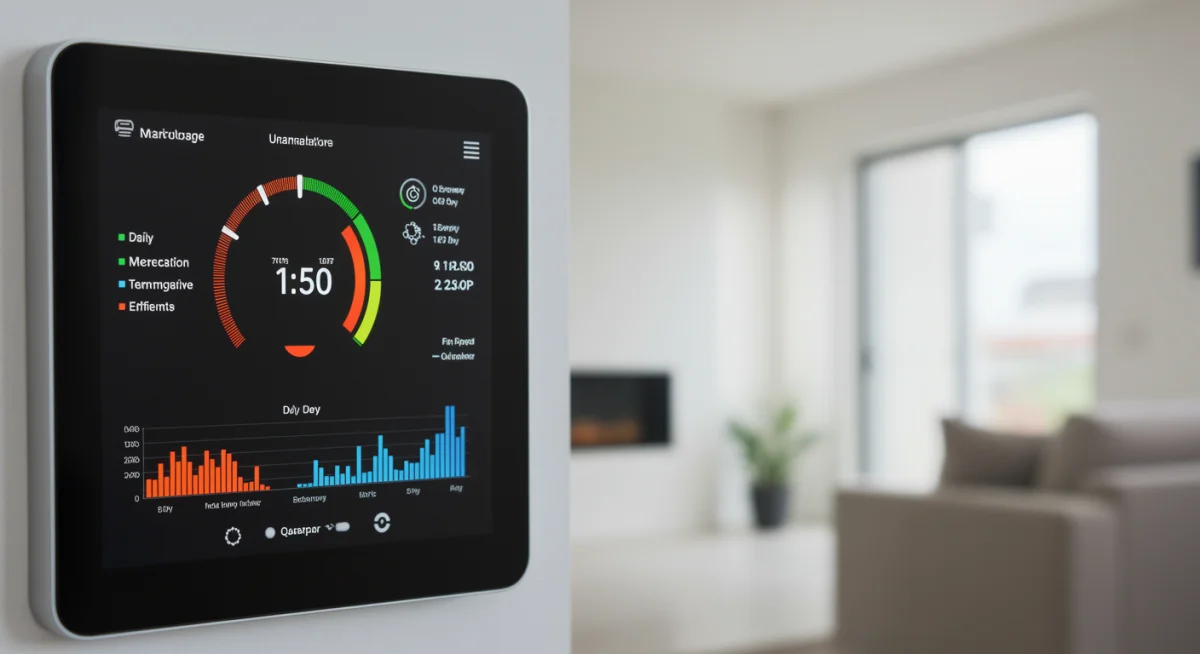
Leveraging Data for Smarter Decisions
Machine learning models analyze vast datasets to uncover correlations and causal relationships related to energy consumption. This allows them to make predictions and recommendations that are highly tailored to individual homes and lifestyles.
- Pattern Recognition: AI identifies recurring energy usage patterns, such as peak consumption times or specific appliance habits, to suggest efficiency improvements.
- Predictive Maintenance: By analyzing performance data, AI can predict when an appliance might fail or become inefficient, prompting proactive maintenance.
- Dynamic Pricing Response: Systems can adjust energy consumption based on fluctuating utility rates, automatically shifting high-load activities to off-peak hours.
- Personalized Recommendations: Based on learned preferences and observed patterns, AI can offer personalized tips for further reducing energy waste.
The continuous feedback loop between data collection, analysis, and action is what makes AI-driven energy management so powerful. It’s not a static system but an evolving intelligence that constantly strives for greater efficiency, ensuring your home is always operating at its energy-optimal best.
Overcoming Challenges and Ensuring Security in Smart Homes
While the benefits of smart home integration for energy efficiency are clear, implementing these systems also presents challenges, particularly concerning interoperability and cybersecurity. Addressing these issues proactively is essential to building trustworthy and effective smart home ecosystems that homeowners can rely on.
The proliferation of various smart devices from different manufacturers can lead to compatibility headaches. Furthermore, connecting numerous devices to the internet inevitably raises concerns about data privacy and the potential for cyber threats. A truly smart and efficient home must also be a secure one.
Addressing Interoperability and Security Concerns
Standards and best practices are emerging to tackle these challenges, making smart home adoption safer and more straightforward. Educating homeowners on security measures is also a vital part of the process.
- Standardization Efforts: Initiatives like Matter and Thread aim to create universal communication protocols, allowing devices from different brands to work together seamlessly.
- Robust Encryption: Ensuring all smart devices and communication channels use strong encryption protocols to protect data from unauthorized access.
- Regular Software Updates: Manufacturers must provide consistent software updates to patch vulnerabilities and improve system security.
- User Education: Homeowners should be informed about creating strong passwords, understanding privacy settings, and recognizing phishing attempts related to their smart home devices.
By prioritizing both seamless integration and robust security, the smart home industry can build greater trust with consumers. This will accelerate the adoption of AI-powered energy management systems, moving us closer to the 25% energy efficiency goal by 2025 without compromising safety or privacy.
The Future Outlook: Beyond 2025 for Smart Home Energy Efficiency
While achieving a 25% energy efficiency gain by 2025 is an ambitious yet attainable target, the trajectory of smart home technology and AI suggests even greater advancements beyond this timeframe. The future of smart home energy efficiency will likely involve even deeper integration with the wider energy grid, more sophisticated predictive capabilities, and a greater emphasis on personalized, hyper-efficient living.
We can anticipate homes that are not just consumers of energy but active participants in energy management, potentially generating and sharing power within localized microgrids. The evolution will move towards truly autonomous homes that adapt to global energy trends and individual preferences with unparalleled precision.
Emerging Trends and Innovations
Several innovations are on the horizon that will further revolutionize smart home energy management, pushing efficiency levels far beyond current expectations and creating truly adaptive living spaces.
- Proactive Grid Interaction: Homes will actively communicate with the power grid, optimizing energy consumption based on grid stability, renewable energy availability, and demand-response programs.
- Self-Healing Systems: AI will not only detect faults but also autonomously initiate repairs or reconfigurations, minimizing downtime and energy waste.
- Hyper-Personalized Environments: Future AI will understand individual physiological responses to climate and lighting, creating ideal comfort zones with minimal energy expenditure.
- Sustainable Material Integration: Smart homes will increasingly incorporate advanced materials that dynamically adjust insulation, light transmission, and thermal properties to enhance efficiency.
The journey towards ultimate energy efficiency in smart homes is continuous. As AI capabilities grow and new technologies emerge, our homes will become increasingly intelligent, sustainable, and responsive, embodying the true spirit of future living and contributing significantly to global energy conservation efforts for decades to come.
| Key Point | Brief Description |
|---|---|
| AI-Powered Optimization | AI learns patterns and external factors to proactively manage energy consumption in real-time. |
| Integrated Systems | Seamless communication between all smart devices maximizes efficiency beyond individual components. |
| Practical Solutions | Start with smart thermostats, lighting, and plugs for significant, immediate energy savings. |
| Data & Machine Learning | Continuous analysis of data drives intelligent decisions for ongoing energy optimization. |
Frequently Asked Questions About Smart Home Energy Efficiency
Smart home integration for energy efficiency involves connecting various smart devices like thermostats, lighting, and appliances to a central AI system. This allows them to communicate and work together to optimize energy consumption based on real-time data, user preferences, and external factors like weather, leading to significant energy savings.
AI achieves this by learning your household’s patterns, predicting energy needs, and making autonomous adjustments to devices. It can optimize HVAC schedules, turn off lights in empty rooms, manage appliance usage during off-peak hours, and identify inefficiencies, all contributing to substantial energy reduction.
Key devices include AI-powered smart thermostats, intelligent lighting systems with occupancy sensors, and smart plugs for controlling individual appliances. Automated blinds and smart water heaters can also significantly contribute. The goal is to choose devices that can integrate and communicate effectively.
Security is a critical concern, and reputable manufacturers prioritize it with robust encryption and regular software updates. Homeowners should also practice good cybersecurity habits, such as using strong, unique passwords and being aware of privacy settings, to protect their smart home network.
Beyond 2025, AI will enable homes to interact proactively with the energy grid, incorporate self-healing systems, and create hyper-personalized, ultra-efficient environments. It will move beyond simple optimization to intelligent energy generation and sharing, further revolutionizing sustainable living.
Conclusion
The journey towards a more energy-efficient future for our homes is not just a possibility; it’s an unfolding reality driven by the rapid advancements in smart home integration and artificial intelligence. Achieving a 25% reduction in household energy consumption by 2025 is a tangible goal, made possible through the thoughtful implementation of AI-powered systems. These technologies promise not only significant cost savings for homeowners but also a crucial step towards environmental sustainability. As we continue to embrace these intelligent solutions, our homes will evolve into dynamic, responsive ecosystems, leading the way in the future of living and setting new benchmarks for efficiency and comfort.